
Natural causes, meaning deaths from a medical condition rather than an injury, have become a far bigger share of hiking and climbing deaths on British Columbia’s trails, according to an analysis of BC Coroners Service figures. Fifteen of the 24 hiking and climbing deaths classified as natural from 2016 to 2025 happened in the last three of those years.
From 2016 to 2022, natural deaths made up nine of the 93 hiking and climbing deaths the coroners counted, or about one in 10. From 2023 to 2025 they made up 15 of 50, or three in 10. There were six natural deaths in 2023, four in 2024 and five in 2025, compared with no more than four in any earlier year and none at all from 2020 to 2022, the coroners service’s report on hiking and climbing deaths in B.C., 2016-2025 shows. The report was posted June 4, 2026.
Falls remain the leading killer overall. Of the deaths whose investigations were closed, 81 were falls, 19 were natural events and seven were drownings, the report says. But the number of fatal falls has dropped in recent years, to three in 2024 and four in 2025 among closed files, from 11 in 2023 and 12 in 2019. Because investigations into many 2025 deaths were still open when the report was posted, the means of death was available for only six of that year’s 17 deaths.
In total, 143 people died while hiking or climbing recreationally in B.C. over the decade, about 14 a year. The yearly count has swung between eight, in 2020, and 21, in 2019, with no steady rise or fall: 20 died in 2023, 13 in 2024 and 17 in 2025. Men accounted for 73 per cent of the deaths. People aged 19 to 29 made up the largest group, at 29 per cent, followed by people 60 and older, at 24 per cent. Six people 60 or older died in 2025, tied for the most in any year, and three people under 19 died, the most for that age group in the decade.
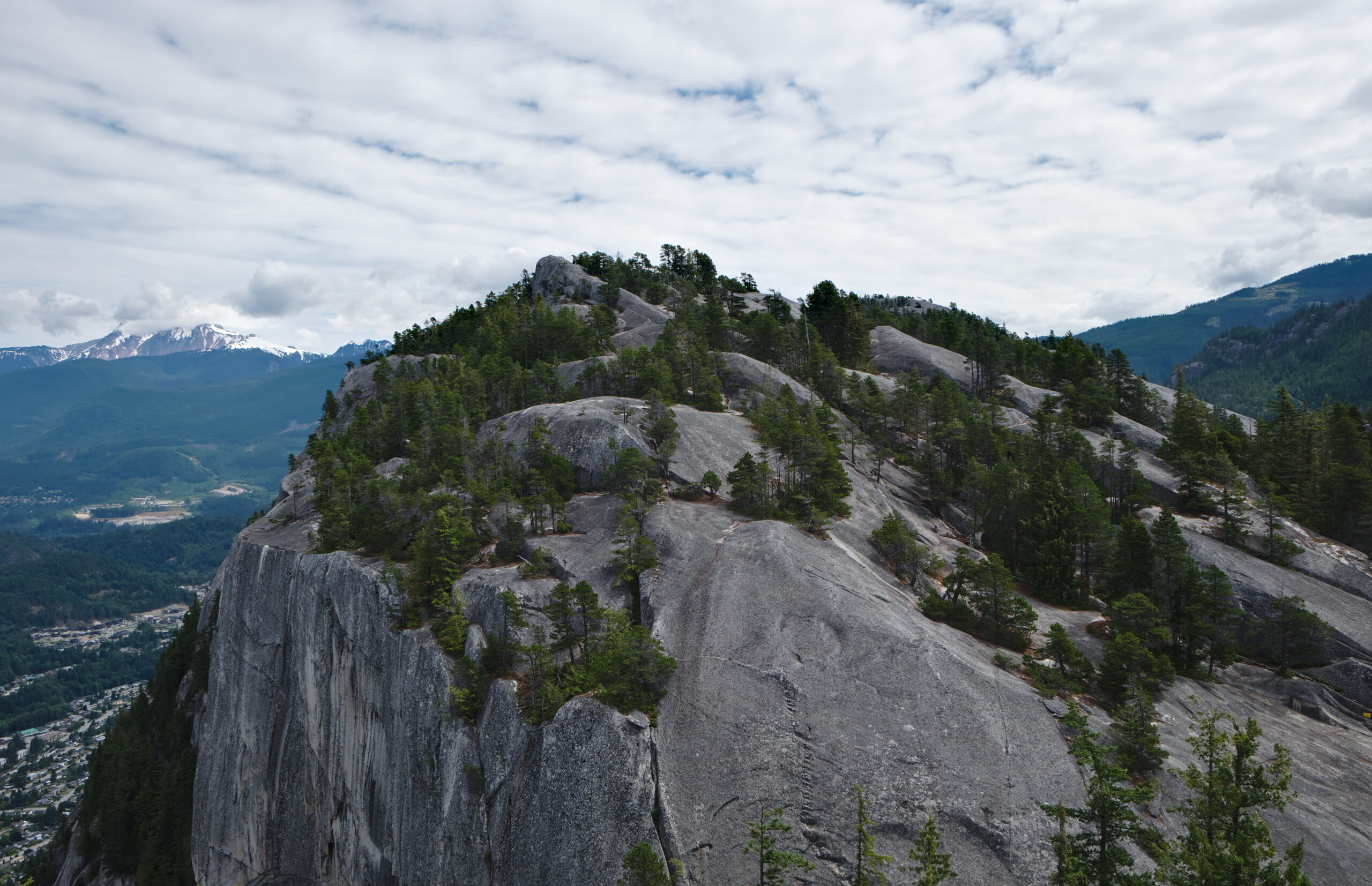
Squamish stands out. The township, home to the Stawamus Chief, recorded 22 of the 143 deaths, or about one in seven, the report’s township table shows. North Vancouver had nine, and Chilliwack, West Vancouver and Whistler five each. By region, the North Shore and Coast Garibaldi health area had 47 deaths, more than the next two areas, East Kootenay (18) and Fraser East (13), combined. Vancouver Coastal Health and Interior Health together accounted for 96 deaths, or 67 per cent.
The deaths are concentrated in summer. Our count of the report’s monthly table shows 111 of the 143 deaths, or 78 per cent, came from May to September, with July the deadliest month at 33 deaths over the decade. September 2025 had five deaths, more than any other September in the period.
What the records do not show is why natural deaths have risen. The report does not break natural deaths down by age, by the medical cause, or by whether the person had a known health condition, and it does not count how many people hike in B.C. each year, so it cannot say whether the risk per hiker has changed. The coroners service also warns that its figures come from a live database and may change as investigations close, and that classifications such as “natural” or “accidental” can change before a file is finished. The rise in natural deaths is small in absolute numbers, five or six a year, and could shift as 2024 and 2025 files close.
For hikers, the pattern points to two different risks: falls, which still cause most deaths, and medical emergencies far from help. AdventureSmart, the outdoor safety program backed by search-and-rescue groups, urges people to leave a trip plan with someone, carry the 10 essentials and stay within their fitness and health limits.
How we checked: We read the BC Coroners Service’s seven-page report on hiking and climbing deaths from 2016 to 2025 and copied its tables of deaths by year, month, sex, age group, health authority, health service delivery area, township, classification and means of death. We added the classification table by year to compare 2016-2022 with 2023-2025, added the monthly table to get the May-to-September share, and checked that each table’s yearly totals match the report’s total of 143 deaths. The report counts confirmed and suspected recreational hiking and climbing deaths that met the legal criteria for reporting to a coroner, by date of death, and assigns place by where the injury happened. The means-of-death table covers only closed investigations, so its totals are lower than the death counts.
Follow Canada News Media
Get the day's top Canadian stories and our two daily 60-second news videos wherever you scroll.
X Threads Facebook Instagram LinkedIn TikTok YouTube Pinterest Reddit Substack Flipboard Newsletter RSS