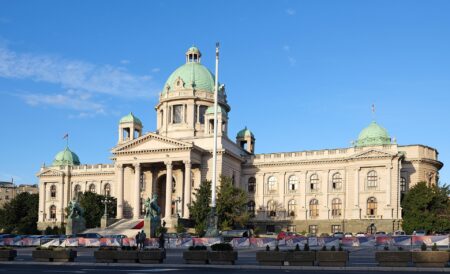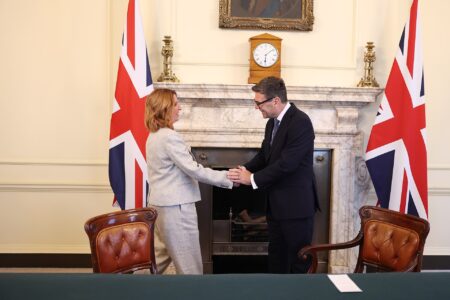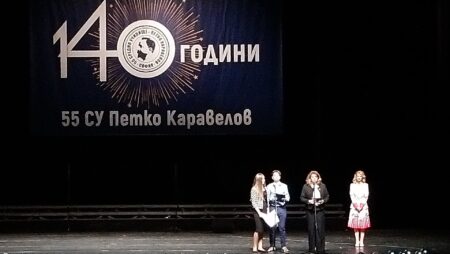



Bulgaria’s presidential election will be decided in a runoff on Nov. 1 between incumbent Iliana Yotova and reformist challenger Andrey Gyurov, after Sunday’s first round produced no winner and record-low turnout, exit polls and reports showed.
Exit polls put Yotova three to four percentage points ahead of Gyurov in a record field of 27 candidates, the Associated Press reported via PBS. Euronews gave ranges of 35 to 36.5 per cent for Yotova and 32.2 to 32.5 per cent for Gyurov. Preliminary official results were expected on Monday, Oct. 26, and the exit-poll figures are not final.
Pre-election polling had put Yotova at 41 to 47 per cent and Gyurov at 28 to 31 per cent, Euronews reported, so the first-round result is tighter than forecast. The AP did not publish an exact turnout figure but said it was a record low, which observers blamed on mistrust of politicians and voter apathy. Bulgaria has about 6.6 million registered voters.
Yotova, 62, is a former journalist and member of the European Parliament. She served as vice-president under Rumen Radev and became president in January 2026 when Radev stepped down to run for parliament. He is now prime minister. She runs as an independent backed by Radev’s Progressive Bulgaria party and the Socialist Party, where her political career began. If elected, she would be Bulgaria’s first elected female president.
At a rally, Yotova said she “advocated for peace through negotiations, rather than force”, the AP reported.
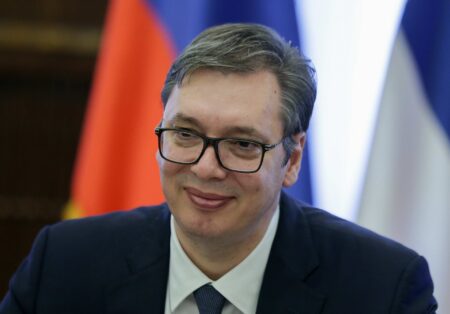
Gyurov, an economist and former deputy governor of the central bank, served as caretaker prime minister in early 2026 after Yotova appointed him on Feb. 12. He has often expressed firm support for Ukraine and signed a security cooperation agreement with Kyiv during his premiership. He is backed by pro-Western opposition parties.
“I want Bulgaria to have a voice of its own in Europe,” Gyurov told supporters, the AP reported.
Voters faced rising energy prices, inflation and drone attacks on commercial shipping off Bulgaria’s Black Sea coast. Euronews described the vote as the first major test for Progressive Bulgaria since it won the most seats in the April parliamentary election.
Analysts quoted by the AP expect Yotova to keep Bulgaria on its European path while seeking better relations with Russia. Observers also warned that a Yotova win would keep the presidency in the hands of the governing majority, which could weaken checks and balances.
The presidency is mostly ceremonial, but the president commands the armed forces, can veto legislation, signs international treaties and appoints ambassadors. The office is elected directly for five years, with a two-term limit.
For Canada, Bulgaria is a fellow NATO member on the alliance’s Black Sea flank, where the alliance sent aircraft and drones this month after ship attacks. We reported on NATO’s Black Sea deployment and on the run-up to the vote. Canadians travelling to Bulgaria can check current advice at travel.gc.ca.
The runoff is on Nov. 1. The winner needs a majority of the votes cast.
Via the Associated Press and Euronews.
If you find reporting like this useful, consider supporting Canada News Media, an independent Canadian newsroom with no corporate parent.
Follow Canada News Media
Get the day's top Canadian stories and our two daily 60-second news videos wherever you scroll.
X Threads Facebook Instagram LinkedIn TikTok YouTube Pinterest Reddit Substack Flipboard Newsletter RSS