

Defence ministers from France, Germany, Italy, Poland and the United Kingdom met in Paris on Monday, Oct. 26, and pledged continued military support for Ukraine ahead of winter, including a new air defence project called Freyja.
The group, known as the E5 or Group of Five, also agreed to become more operational, adding regular planning talks between ministerial meetings. EU foreign policy chief Kaja Kallas warned the same day that there is “little hope of imminent peace in Ukraine,” Eunews reported.
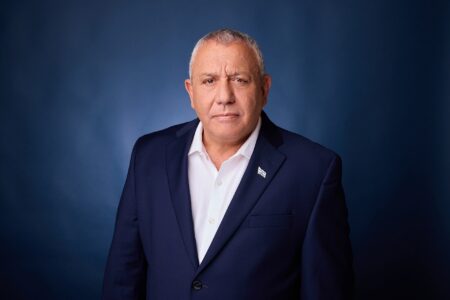
According to Germany’s defence ministry, the participants were German Defence Minister Boris Pistorius, French Armed Forces Minister Catherine Vautrin, U.K. Defence Secretary Wes Streeting and Italian Defence Minister Guido Crosetto. Poland sent state secretary Paweł Zalewski. Ukraine’s defence minister, Ievheniy Khmara, joined by video, and EU defence commissioner Andrius Kubilius and NATO deputy secretary general Radmila Shekerinska also attended.
The partners said they would work toward continued U.S. provision of intelligence and satellite data to Ukraine. The Freyja system, being developed with Ukraine, is meant to complement the U.S. Patriot system and others, the German ministry said. Kubilius floated a possible instrument called SAFE 2.0, a 21-billion-euro call for proposals using money left unspent from the first round of the EU’s SAFE defence loan programme, to fund joint projects with Ukraine, including Freyja, Eunews reported.
Pistorius said Russia is intensifying attacks on Ukrainian cities and civilian infrastructure, calling it “pure terror,” and warned that Russian hybrid attacks on European states are increasing massively. Kallas said the EU has adopted its most far-reaching sanctions against Russia since the war began, with more in preparation.
“This support will not cease,” Vautrin said at a news conference afterward, according to A News. She said it was “extremely important for us not to allow ourselves to be intimidated and never to become divided,” and described the goal as “a stronger Europe within a stronger NATO.”
Streeting warned of “threat and instability” not seen since the end of the Cold War. “An injury to one is an injury to all,” he said of NATO’s core principle, adding that the U.K. has no quarrel with the Russian people and places blame on President Vladimir Putin.
Under a separate initiative, known as LEAP, the five countries aim to quickly develop cheap, autonomous counter-drone systems, the German ministry said. In November, Germany will contribute ten staff officers and two A400M tanker aircraft to the Koalicja 2026 exercise in Poland, over Romania and in the western Black Sea, which is the first to rehearse deploying the planned Multinational Force Ukraine at full strength.
The group was founded about two years ago. Its last meeting was virtual, on June 4. Deputy-level “Policy and Planning Talks” will begin in Berlin in 2026, the German ministry said. The attacks continue on the ground: the Rio Times, citing Ukrainian military figures it did not link, said Russia launched 140 drones and four missiles overnight on Oct. 25 and 26, and that claim has not been independently verified by this newsroom.
Canada is not an E5 member, but it is a NATO ally that leads a multinational brigade in Latvia and has backed Ukraine. Any European push for more air defence and a bigger role in the alliance affects Canada’s own defence spending and procurement choices. Our earlier reporting looked at the EU’s push for a seat at Ukraine talks.
The next step is Koalicja 2026 in November, followed by the Berlin planning talks.
Via Eunews, Germany’s defence ministry and A News.
If you find reporting like this useful, consider supporting Canada News Media, an independent Canadian newsroom with no corporate parent.
Follow Canada News Media
Get the day's top Canadian stories and our two daily 60-second news videos wherever you scroll.
X Threads Facebook Instagram LinkedIn TikTok YouTube Pinterest Reddit Substack Flipboard Newsletter RSS