
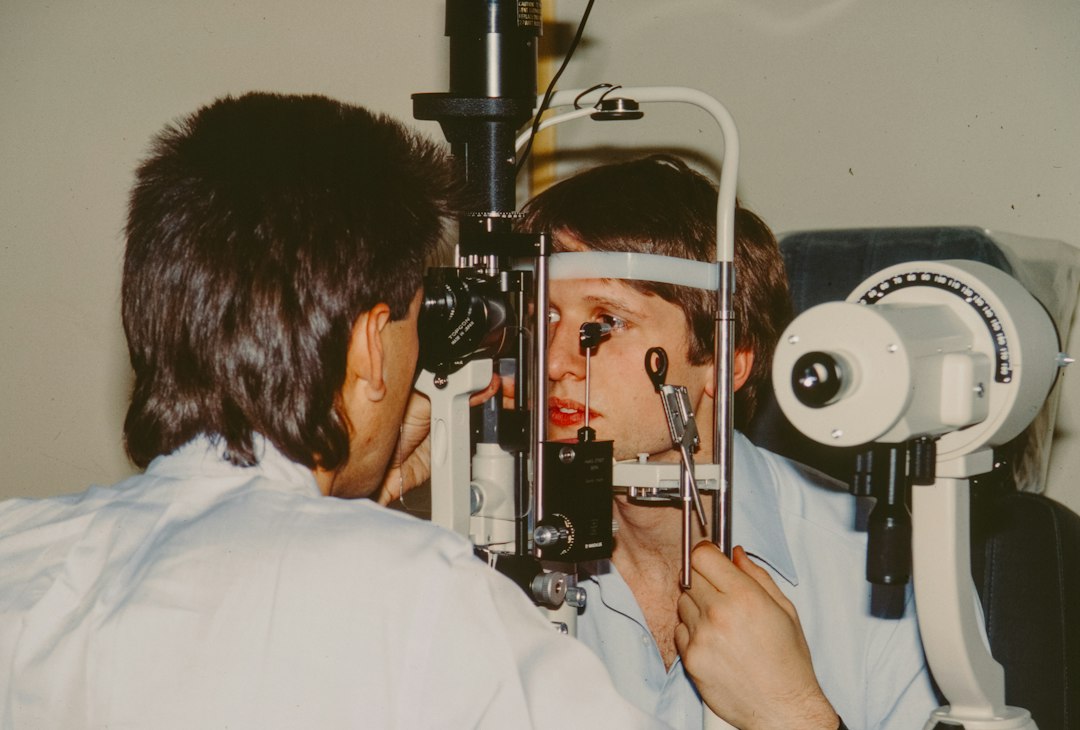
Whether your public health card pays for an eye exam depends mostly on your age and where you live. In most provinces, routine exams are insured for children and seniors, while adults aged 19 to 64 usually pay out of pocket unless they have a medical condition such as diabetes.
That is the pattern in the provincial and territorial pages reviewed for this article. The details vary, though, including how often you can go and what counts as a “medically required” visit. Eyeglasses and contact lenses are generally not covered by public plans, with some exceptions for children and for people on income support.
The table below summarizes what each government says. Rules change, so use the linked page to confirm before you book.
| Province or territory | Who is covered, according to the government | Official page |
|---|---|---|
| British Columbia | Routine exams for children under 19 and people over 65. Not an insured benefit for ages 19 to 64. | B.C. Ministry of Health |
| Alberta | Children 18 and younger and seniors 65 and older get one routine exam per benefit year (July 1 to June 30). Routine exams for ages 19 to 64 are not covered. All Albertans are covered for medically necessary eye care for specific conditions treated by optometrists. | Alberta Health Care Insurance Plan |
| Saskatchewan | An annual exam for people under 18 and for people with a confirmed diagnosis of type 1 or type 2 diabetes. Routine follow-up exams are not covered. Eye emergencies are covered. | Government of Saskatchewan |
| Manitoba | One routine complete exam in a two-year benefit period for people under 19 and 65 and older. Residents of any age are covered when a medical condition warrants an exam. Other adults’ routine exams are not insured. | Manitoba Health |
| Ontario | People 19 and under: one major exam every 12 months. Adults 20 and older with an eligible eye condition such as diabetes, glaucoma or cataracts: one every 12 months. People 65 and older without such a condition: one every 18 months. OHIP does not cover glasses or contact lenses. | Ontario Ministry of Health |
| Quebec | One complete exam a year for people under 18 or 65 and older. People 18 to 64 who have received financial assistance for at least 12 consecutive months qualify for one exam every two years. Dilated exams are covered for people treated for diabetes or with high myopia, and emergency exams are covered. | RAMQ |
| New Brunswick | The Medicare coverage page lists optometrist services and refractions for prescription glasses among items that are not insured. The province runs a separate vision benefit for four-year-olds covering one major exam and one set of glasses if needed. | Government of New Brunswick |
| Nova Scotia | A routine vision exam once in a two-year period for children who have not reached their 10th birthday and for people 65 and older. Medically required eye care is covered at any age. | Nova Scotia Health |
| Prince Edward Island | The pages reviewed do not spell out routine exam coverage. Contact the province’s Vision Care program office at 902-213-2970. | Government of P.E.I. |
| Newfoundland and Labrador | The Eye See Eye Learn program covers an exam for children attending kindergarten, up to $95, and one free pair of glasses if needed and not covered elsewhere. | Government of N.L. |
| Yukon | Registered residents 65 and older (and some aged 60 to 64) may receive one eye exam, new lenses and up to $100 toward frames once every two years under the extended health care benefits. | Government of Yukon |
| Northwest Territories | Health care plan covers eye exams, treatment and operations by an ophthalmologist, but not optometric services. Residents 60 and older receive vision care benefits at no cost under the Extended Health Benefits program. | Government of N.W.T. |
| Nunavut | The health care plan page lists optometric services among services not covered under physician services. Contact the department for current vision benefits. | Government of Nunavut |
A few patterns stand out. Age bands differ by a year or two, so a 19-year-old is covered in Ontario but not in B.C., where the cut-off is under 19. Seniors are the most consistently covered group, though Ontario spaces their exams 18 months apart and Manitoba and Nova Scotia use two-year periods.
Medical need is the other door to coverage. Several provinces insure exams for people with diabetes or other eye conditions regardless of age, and emergency eye problems are covered in places such as Saskatchewan and Quebec. If you are 19 to 64 with no known condition, expect to pay the optometrist’s fee yourself, which can vary by clinic. Workplace benefit plans and income-support programs may cover part of it.
Provincial pages also note limits. Alberta’s page says coverage applies only in Alberta and that optometrists may charge above the insured amount. Ask the clinic about fees and which health card information it needs when you book, and bring your card to the appointment.
This article is based on official guidance from the provincial and territorial governments named above and is provided for general public information. It’s not a substitute for medical advice, if you have questions about how this applies to you, talk to your doctor or pharmacist.
If you find reporting like this useful, consider supporting Canada News Media, an independent Canadian newsroom with no corporate parent.
Sources: Ontario, What OHIP covers; Alberta, health care services covered; RAMQ, optometric services; Manitoba Health; Nova Scotia optometry programs; and the other provincial and territorial pages linked in the table.
Follow Canada News Media
Get the day's top Canadian stories and our two daily 60-second news videos wherever you scroll.
X Threads Facebook Instagram LinkedIn TikTok YouTube Pinterest Reddit Substack Flipboard Newsletter RSS