


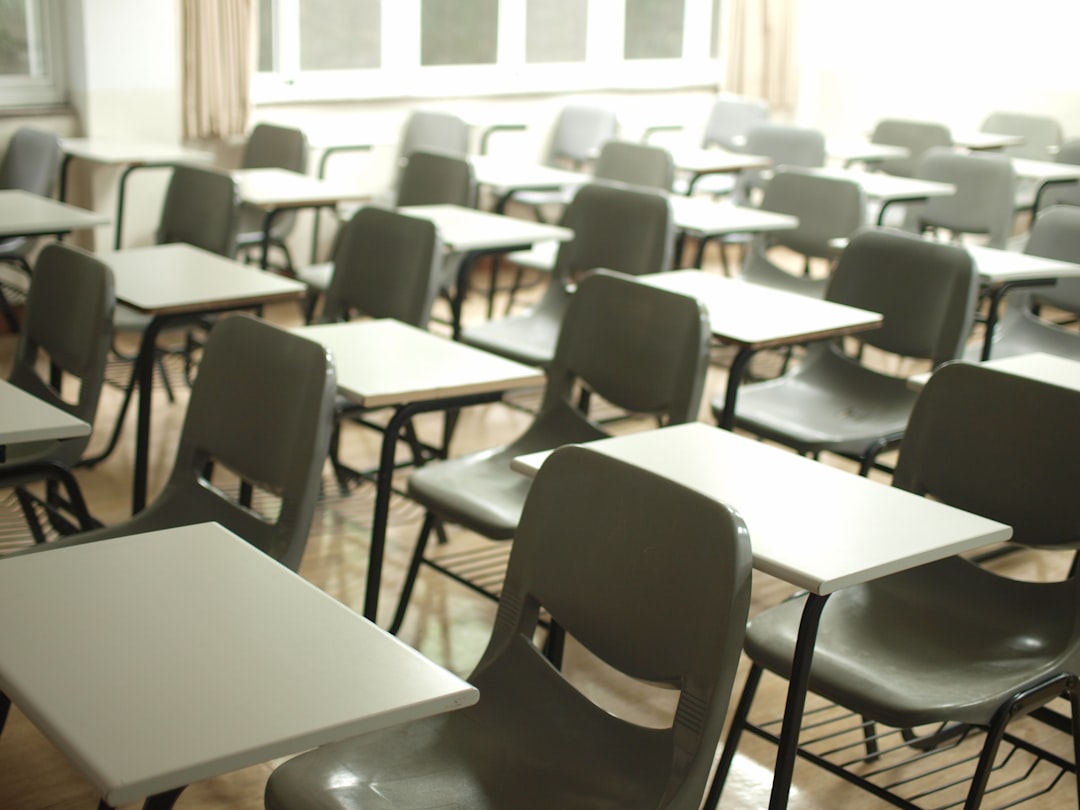
First Nations schools on reserve need $7.1 billion in construction funding over the next five years, close to eight times the annual pace of Ottawa’s most recent dedicated allocation, according to a needs assessment released by the Assembly of First Nations on Sept. 3, 2026.
The assessment, presented in Calgary at the AFN’s Indigenous Skills and Employment Training national meeting, puts the total capital requirement at $19 billion over 20 years across 395 schools and 1,222 teacher residences, plus $550.3 million a year to operate and maintain them. National Chief Cindy Woodhouse Nepinak called the gap “undeniable and unacceptable” and asked the federal government to answer it in the 2026 budget.
Most coverage has stopped at those headline totals. The arithmetic underneath them is where the story sits.
The AFN says $7.1 billion of the $19 billion is needed within five years, which works out to roughly $1.42 billion a year. The last federal budget to carve out money specifically for First Nations K-12 infrastructure was Budget 2024, which committed $545.1 million over three years beginning in 2024-25, according to the Prime Minister’s Office announcement at the time. That averages about $182 million a year. The AFN says the envelope funded 23 capital projects, and that Canada has provided no new education capital funding since.
The second figure worth sitting with is the direction of travel. The AFN ran a comparable assessment in 2021. Measured against that baseline, the number of First Nations schools that are overcrowded under Canada’s own School Space Accommodation Standards has climbed to 227 from 202, and the number requiring immediate replacement has climbed to 77 from 56. Those five years overlap almost exactly with the period following Ottawa’s 2021 commitment to close the infrastructure gap in Indigenous communities by 2030. Judged by the federal government’s own space standards, the education portion of that gap widened rather than closed.
The least-discussed line in the assessment is teacher housing. Of the $19 billion in capital, $2.2 billion is for teacherages, and of the $550.3 million in annual operating money, $131.7 million goes to housing rather than classrooms. That reframes the file. In many remote and fly-in communities, a school does not have a staffing problem separate from its housing problem. A teacher who cannot find somewhere to live does not take the posting, or does not stay past a year. Rural and northern districts across Canada are already short of teachers. A new classroom nobody can be recruited into does not close a gap.
Education is also a comparatively small slice of a much larger bill. In April 2024 the AFN estimated the full cost of closing the First Nations infrastructure gap by 2030 at $349.2 billion, split between roughly $289 billion in capital and $59.8 billion in operations and maintenance, a figure reported at the time by CBC News and the Globe and Mail. Against that, the $19 billion education requirement is about five per cent of the capital side. Woodhouse Nepinak noted that more than half the Truth and Reconciliation Commission’s Calls to Action concern education. It remains the piece with the clearest documented claim attached, and it is still not funded at the level the AFN says is required.
Two dates now decide what happens next. The 2026 federal budget is the first, and the AFN has already filed a pre-budget submission built on this assessment. The second is Oct. 26, when First Nations leadership and first ministers are scheduled to meet, a meeting Chiefs voted in July to make education a central item at. Neither has produced a commitment yet. Anyone trying to judge whether the 2030 pledge still means anything will get an answer in those two rooms, and the test is simple enough to check: does the next capital allocation approach $1.4 billion a year, or does it land nearer the $182 million the last one did.
Via the Assembly of First Nations. Figures drawn from the AFN’s Sept. 3, 2026 press release and accompanying bulletin. Budget 2024’s $545.1 million over three years for First Nations K-12 infrastructure was independently confirmed against the Prime Minister’s Office announcement of April 23, 2024. The $349.2-billion 2030 infrastructure estimate and Ottawa’s 2030 commitment were confirmed against CBC News and the Globe and Mail reporting from April 2024.
Follow Canada News Media
Get the day's top Canadian stories and our two daily 60-second news videos wherever you scroll.
X Threads Facebook Instagram LinkedIn TikTok YouTube Pinterest Reddit Substack Flipboard Newsletter RSS