




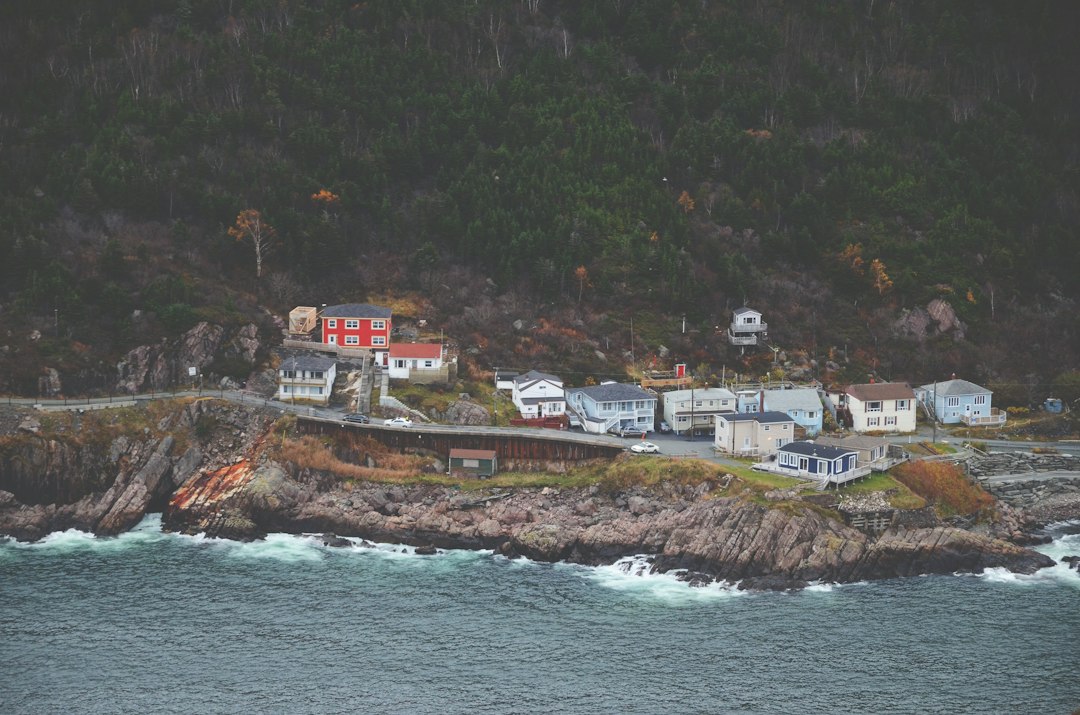
Canada says France has not issued the snow crab licence that President Emmanuel Macron reportedly promised to a fishing company in St-Pierre-Miquelon, a French island territory off Newfoundland’s south coast. Fisheries Minister Joanne Thompson said on Oct. 3, 2026, that Ottawa has seen no licence and that Canada “does not agree with any foreign snow crab fishing in this area.”
The dispute matters to Newfoundland and Labrador because snow crab is the province’s largest fishery. The Canadian Press reported that it was worth about $708 million in landed value in 2025. The story is still developing, and it is not yet clear whether France plans to go ahead.
According to reporting by franceinfo and Radio-Canada, cited by the Canadian Press, Macron told fishers during a visit to the islands that he would grant an exploratory snow crab licence to a St-Pierre-Miquelon company. A Canadian Press report on Sept. 30 said the plan would allow 1,500 tonnes a year for five years in waters that Canada claims as part of its extended continental shelf.
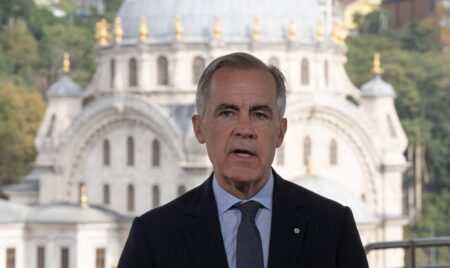
Thompson said then that it was disappointing France would act unilaterally “at a time when we need to be working more closely together.” She noted that Canadian officials were not told in advance, even though Prime Minister Mark Carney had recently visited the territory. On Oct. 3, she repeated that “Canada affirms our claim to the extension of Canada’s continental shelf, which includes all snow crab in this area.”
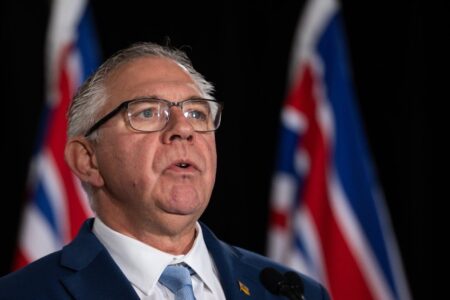
Premier Tony Wakeham also voiced disappointment and said France does not have the authority to make such a decision. Dwan Street, president of the inshore fishers’ union, said, “Those are Canadian resources.” She said she was surprised because harvesters on both sides of the boundary have a long history of working together.
The roots of the disagreement go back decades. A 1992 international arbitration ruling gave France a 24-nautical-mile zone around St-Pierre-Miquelon plus a narrow strip that is sometimes called the “French Baguette.” Beyond that, the two countries have overlapping claims. Canada made a submission to the United Nations Commission on the Limits of the Continental Shelf in 2013, and France made its own in 2014. The area where the licence would apply is beyond Canada’s 200-nautical-mile limit but inside the extended shelf Canada says it owns.
That distinction is important. Under the UN Convention on the Law of the Sea, which both countries have signed, a coastal state has sovereign rights over the seabed and the resources that live on it. Snow crab are classed as sedentary species, so which country holds the shelf rights decides who may fish them. A separate 1972 agreement between the two countries sets out mutual fishing rights in the nearby waters, but the contested area sits outside that arrangement.
For readers, the practical stakes are about livelihoods and about precedent. St-Pierre-Miquelon has roughly 5,800 residents and relies heavily on fishing, so the French government has its own reasons to look for new quotas. Newfoundland harvesters, meanwhile, already manage tight quotas and have lived through years of volatile crab stocks and prices. Any new foreign catch from the same grounds raises questions about sustainability as well as sovereignty, since Canadian fisheries managers set their limits using Canadian science.
Several questions remain unanswered. Neither government has said whether a licence document exists or whether any fishing could start this season. Macron said, according to the French reports, that he hopes to begin “calm but constructive debates” with Canada about the continental shelf. Ottawa has not said whether it will take up that offer or press for a formal diplomatic response first.
The timing is awkward for both capitals. Carney and Macron met earlier this month. Our earlier coverage of that meeting noted the long-standing sea dispute as a quiet complication in the relationship. Now it has become a public one.
Canadian readers in coastal communities should watch for any statement from Global Affairs Canada and Fisheries and Oceans Canada in the coming days, and for word from the provincial government on whether it will press Ottawa for stronger action. We will update this story as more information is confirmed.
If you find reporting like this useful, consider supporting Canada News Media, an independent Canadian newsroom with no corporate parent.
Sourcing: via CP24 / The Canadian Press. Earlier details from the Sept. 30 Canadian Press report, also carried by BNN Bloomberg and CTV News. Details of Macron’s pledge are as reported by franceinfo and Radio-Canada and have not been independently confirmed by us. Developing story.
Follow Canada News Media
Get the day's top Canadian stories and our two daily 60-second news videos wherever you scroll.
X Threads Facebook Instagram LinkedIn TikTok YouTube Pinterest Reddit Substack Flipboard Newsletter RSS