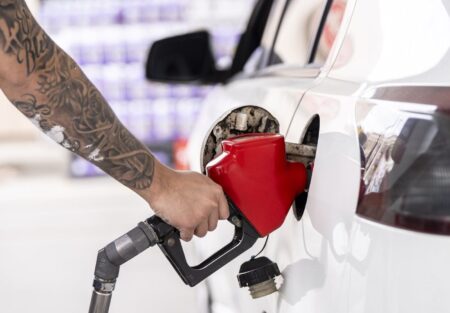


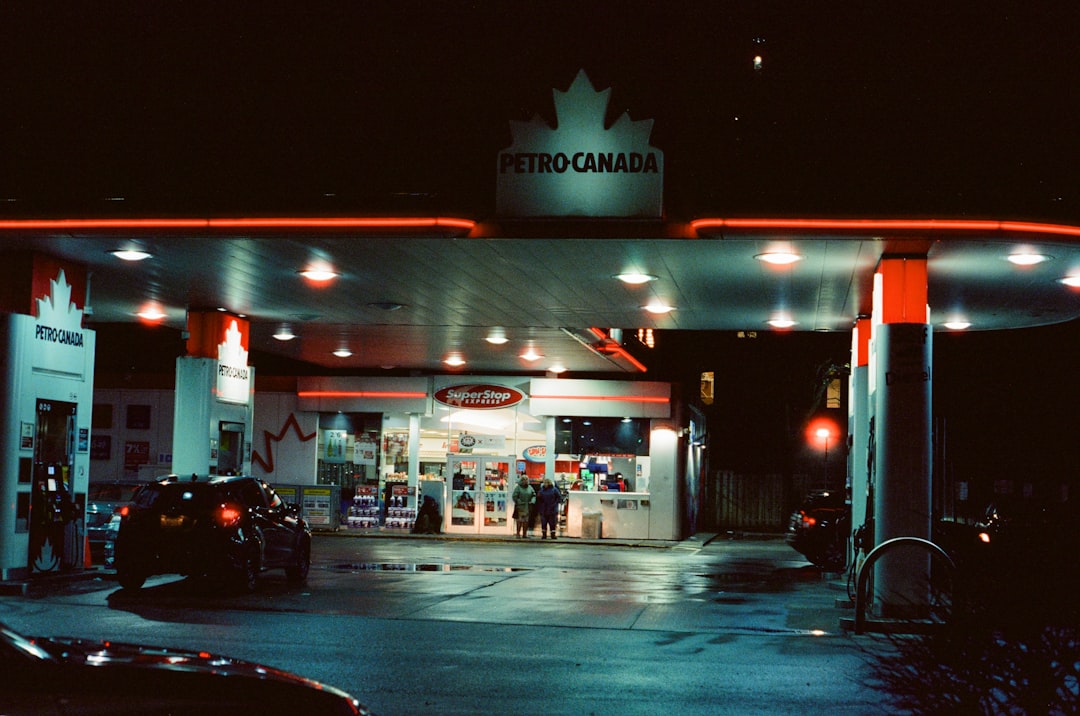
OTTAWA — The federal government’s suspension of the fuel excise tax will end up costing Ottawa $5.3 billion in foregone revenue by the time it fully winds down next spring, more than double the $2.4-billion price tag the government cited when it first paused the tax in April, Finance Minister François-Philippe Champagne confirmed Wednesday.
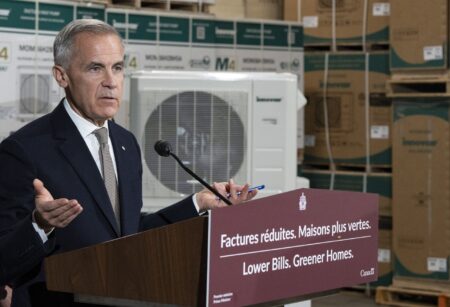
Champagne announced in Ottawa that the 10-cent-per-litre federal excise tax on gasoline and four-cent-per-litre tax on diesel, suspended since April 20 to cushion Canadians from fuel-price spikes tied to the war between the United States and Iran, will stay fully suspended until January 2027 rather than snapping back on Labour Day as originally planned. The tax will then return in stages, at 50 per cent of its normal rate through February and March, before returning to full strength in April 2027 — nearly a full year after Prime Minister Mark Carney first suspended it. “For Canada, it means practical relief at a time when Canadians need it most,” Champagne said, adding that oil-market volatility is expected to persist “for the foreseeable future.”
The dollar figures, confirmed independently by CBC News and The Canadian Press, do arithmetic that the announcement itself skipped: if the original four-month pause cost $2.4 billion, the extension through January adds roughly $2.9 billion more in lost federal revenue — nearly 20 per cent more than the initial measure, for a stretch of relief lasting only slightly longer. Champagne said Wednesday the shortfall would be covered through a mix of higher government revenue tied to elevated oil prices and cost reductions already built into last year’s budget, though neither he nor the government’s news release Wednesday specified how much of the $5.3 billion each source is expected to cover.
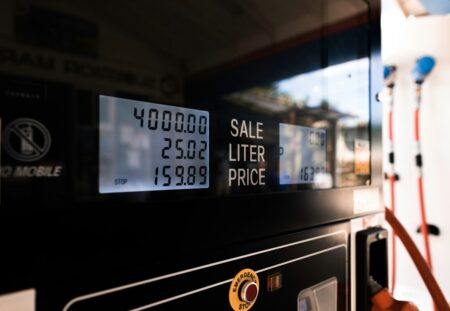
There is also a mechanical wrinkle in the 10-cent figure that wire coverage of the announcement did not spell out. Because GST — and HST in provinces that harmonize it — is charged on the pump price after the excise tax is added, removing the excise tax lowers the base a driver is taxed on twice over. In GST-only provinces, that turns a 10-cent cut into roughly 10.5 cents of savings at the pump; in provinces with 13 or 15 per cent HST, the same 10-cent excise cut is worth closer to 11.3 to 11.5 cents once the sales-tax math is applied. It is a small difference per litre, but on the roughly 43 billion litres of gasoline Canadians buy in a given year, that compounding is worth hundreds of millions of dollars nationally beyond the headline excise-tax number.
The excise suspension also does not stand alone. It follows Ottawa’s cancellation of the federal consumer carbon tax in April 2025, which the Prime Minister’s Office says cut pump prices by up to 18 cents a litre compared with 2024-25 levels. Stacked together, the two measures mean a Canadian filling up today is paying roughly 28 to 30 cents less per litre in federal taxes and levies than they would have two years ago before either policy took effect — a cumulative reduction neither Wednesday’s announcement nor the coverage of it framed side by side.
The politics split along familiar lines. Conservative Leader Pierre Poilievre called the extension a win his party “secured,” and pressed Ottawa to drop federal fuel taxes and clean fuel regulations entirely until Canada Day 2027. Ontario Premier Doug Ford asked that the pause be made permanent. NDP Leader Avi Lewis countered that the suspension amounts to a subsidy for oil companies he says are on pace for $100 billion in profit this year, and called instead for a windfall tax. Robert Glasgow, a trade and customs lawyer at KPMG, said the phased return over February, March and April gives consumers time to adjust and called the approach “probably the best course of action when you mix the politics with the economics” — while cautioning that an open-ended tax holiday isn’t sustainable.
What remains unanswered is the one figure Ottawa left out Wednesday: exactly how much of the $5.3-billion hole gets filled by oil-price revenue versus budget cuts, and whether either holds up if global energy prices ease before next spring.
via CBC News and The Canadian Press. Original reporting: cbc.ca/news/politics/liberals-diesel-gas-excise-tax-9.7329128 and chrisd.ca/2026/09/02/canada-federal-fuel-excise-tax-gas-holiday-extended, with primary-source figures from the Prime Minister’s Office.
Follow Canada News Media
Get the day's top Canadian stories and our two daily 60-second news videos wherever you scroll.
X Threads Facebook Instagram LinkedIn TikTok YouTube Pinterest Reddit Substack Flipboard Newsletter RSS