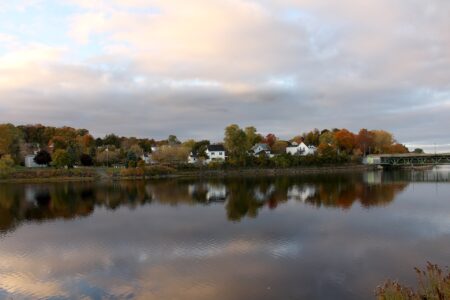



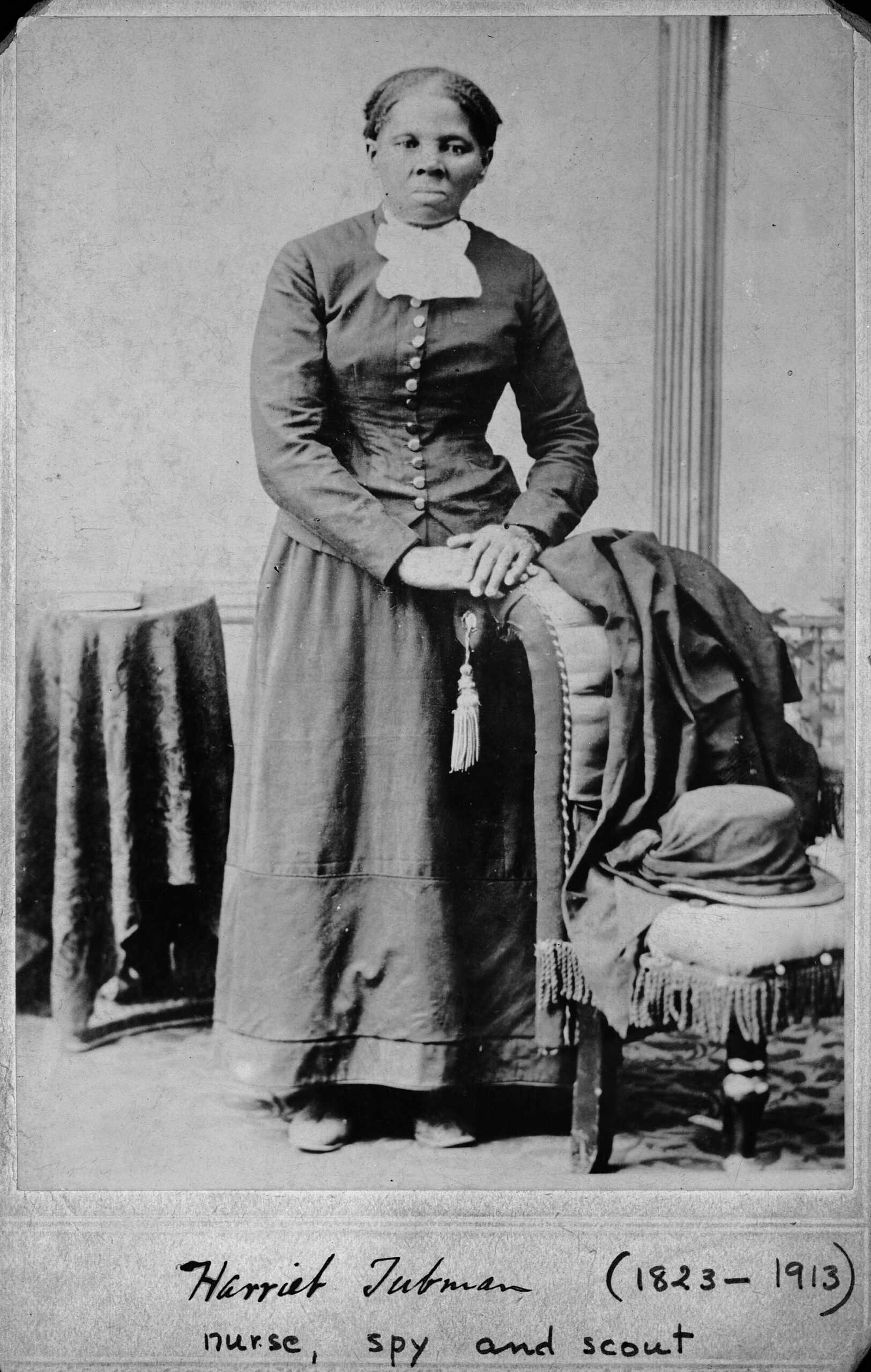
Harriet Tubman settled in St. Catharines, Canada West, in 1851 and used the Niagara town as the base for her anti-slavery work for much of the next decade, according to Parks Canada, which designated her a national historic person in 2005.
The date she arrived is documented. How long she stayed, and how many people she brought north, are questions on which Canada’s own reference works do not agree.
The Dictionary of Canadian Biography says Tubman moved to St. Catharines in the fall of 1851 and treated it as her home from 1852 to 1857. It says she was a member of the interracial Refugee Slaves’ Friends Society and rented a boarding house where she lodged people who had escaped slavery. Parks Canada says that society was formed in 1852 and that she was a leading figure in it.
The Fugitive Slave Act of 1850 had made the northern United States far more dangerous for people who had fled bondage, and the Dictionary of Canadian Biography says Tubman began bringing fugitives across the border into Upper Canada at Niagara after it passed. St. Catharines, a short distance from the crossing, was a natural place to settle.
The biography says she made 11 trips into the United States between 1852 and 1857, and that her last rescue trip to Maryland came in December 1860. Across her whole career it credits her with 15 to 19 trips and with personally freeing up to 300 people. The Canadian Encyclopedia gives a much more cautious Canadian tally: at least 10 trips and at least 70 people brought to freedom in Canada. The figures measure different things, and the sources do not reconcile them, so they are best read as estimates rather than a settled count.
Her closest landmark in the town is Salem Chapel, British Methodist Episcopal Church, at 92 Geneva St. Parks Canada says the church was built around 1855 to replace a smaller log church, to serve a growing community of refugees who had arrived by the Underground Railroad. It was designated a national historic site in 2000, and its plaque calls it “an important centre of 19th-century abolitionist and civil rights activity in Canada.”
The plaque says Tubman lived near the church from 1851 to 1858 and is “traditionally associated with Salem Chapel.” That wording is careful. A footnote from Parks Canada adds that newer scholarship suggests she may have lived in St. Catharines from late 1851 to early 1862. The Canadian Encyclopedia puts her years in Canada at 1851 to 1861, with absences for rescue trips, and says she rented a house on North Street within about 100 metres of the church.
The Canadian Encyclopedia says that in 1858 she hosted a meeting at her home to recruit for abolitionist John Brown’s planned rebellion. Brown wanted her to join him, but her health prevented it. The Dictionary of Canadian Biography places Brown in St. Catharines that spring and says Auburn, N.Y., had become her permanent home by then, after she settled her parents there in late 1857.
Her ties to Canada did not end with that move. The biography says she was in St. Catharines in the winter of 1860-61 and sat on the executive committee of the Fugitive Aid Society of St. Catharines in 1861. The Canadian Encyclopedia says she founded that society with her brother William Henry that year to help newly arrived refugees. The two accounts differ on her exact role, and she is described as both a founder and a committee member.
She died of pneumonia on March 10, 1913, in Auburn, at about 93, according to the Dictionary of Canadian Biography. St. Catharines declared March 10 Harriet Tubman Day in 1990, the Canadian Encyclopedia says.
The pattern in the record is that the broad outline is firm and the details are not. Her 1851 arrival, her work with the Refugee Slaves’ Friends Society and her role in the town’s refugee community are consistently reported. The length of her residence, the number of her rescues and her precise place in the Fugitive Aid Society depend on which source a reader opens. Historians writing about her life in Canada have been revising those details, and Parks Canada’s own footnote shows the shift.
That matters because St. Catharines was home to a community that built its own church, its own aid societies and its own institutions. Tubman was one of its members, not its only story. The same Southwestern Ontario settlement history runs through the Buxton Settlement, the 1861 John Anderson extradition case and the federal recognition of Emancipation Day.
If you find reporting like this useful, consider supporting Canada News Media, an independent Canadian newsroom with no corporate parent.
Sources: Parks Canada, Harriet Tubman National Historic Person page; Parks Canada, Salem Chapel British Methodist Episcopal Church National Historic Site page; Dictionary of Canadian Biography, “Ross, Harriet”; The Canadian Encyclopedia, “Harriet Tubman.”
Follow Canada News Media
Get the day's top Canadian stories and our two daily 60-second news videos wherever you scroll.
X Threads Facebook Instagram LinkedIn TikTok YouTube Pinterest Reddit Substack Flipboard Newsletter RSS