



Most histories of the Underground Railroad end at the border. The Elgin Settlement, better known as Buxton, is a reminder that arrival was the beginning of a harder, longer project: owning land, building a school and proving a community could last.
The settlement was founded in 1849 in what is now Chatham-Kent, Ontario, between Lake Erie and the Thames River, by Rev. William King, an Irish-born Presbyterian minister, according to The Canadian Encyclopedia. It was named for the Governor General, Lord Elgin, and the British abolitionist Sir Thomas Fowell Buxton.
A founder who had held people in bondage
King’s own history is part of the record. The Ontario Heritage Trust’s background paper on the settlement says King acquired enslaved people in the American South through marriage and purchase, and that he arrived in Canada West with 15 formerly enslaved people who became the nucleus of the new community. The Trust describes the arrangement as a deliberate plan to give them, and others fleeing slavery, a chance to own land.
The terms of ownership
What set Buxton apart was that it was a land-purchase scheme, not charity. According to the Ontario Heritage Trust, standard lots were 50 acres, and the price was $2.50 an acre on an instalment plan: 10 per cent down, with the balance plus 6 per cent interest due within 10 years. The Canadian Encyclopedia notes that the land could be bought only by Black settlers.
There were also building rules. The Heritage Trust says houses had to meet minimum dimensions, sit 10 metres back from the road, have a picket fence and a garden, and contain at least four rooms. These were conditions set by the founder, and they reflect a view of respectability that was common to the period. They also meant that Buxton looked, to white neighbours, like an orderly farming community, which mattered in a province where Black settlers faced prejudice.
Sources differ on the settlement’s total size. The Heritage Trust gives about 7,000 acres (2,832 hectares); the Canadian Encyclopedia describes a block roughly six miles by three; a Wikipedia entry on the museum says 9,000 acres. That range is worth flagging rather than smoothing over, and readers who need a precise figure should consult the land records held in Ontario archives.
The school that opened its doors
The Buxton Mission School offered a classical education that included Greek and Latin, according to the Canadian Encyclopedia. The Heritage Trust describes it as integrated: white families sought places for their children, and the school admitted them. Its graduates, the Encyclopedia says, went on to become doctors, lawyers, teachers and legislators.
Two former students are named on the Buxton National Historic Site and Museum’s Wikipedia entry: James T. Rapier, who later served in the United States Congress, and Anna Maria Weems, who escaped slavery in 1855 disguised as a male carriage driver. We have not independently verified those two biographies against a second source, and readers should treat the details as drawn from that entry.
Growth, industry and war
The Canadian Encyclopedia reports that the population grew to about 400 between 1852 and 1856, many of them with their land paid off, and later peaked at nearly 1,200. The Heritage Trust puts the peak at roughly 1,000 by 1861. Both sources agree the community was substantial for its time and place.
It also built an economy. The Encyclopedia lists a sawmill run by the Canada Mill and Mercantile Association, described as the first major Black-owned industry in Canada, along with a gristmill, factories, a bank and a wooden tramway to Lake Erie.
When the American Civil War began, about 70 men from Buxton enlisted in the Union Army, according to both the Canadian Encyclopedia and the Heritage Trust. For men who had fled the United States, or whose parents had, that was a decision to return, in uniform, to the country that had enslaved them.
What remains
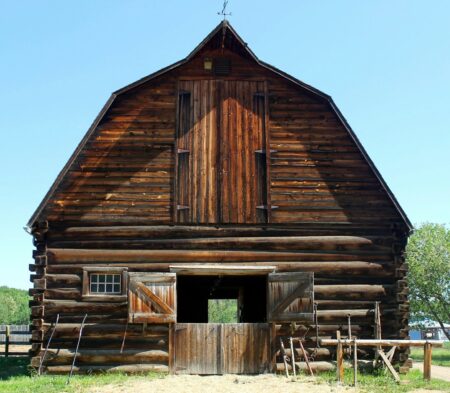
King left in 1887 and died in 1895, per the Encyclopedia. By the end of the century many residents had moved from farming to railway and urban work. The site was designated a National Historic Site in 1999. The Buxton National Historic Site and Museum, opened in 1967, preserves an 1861 schoolhouse and an 1854 log cabin, and, per the Heritage Trust, descendants still live in North Buxton and return for an annual Labour Day homecoming.
The Buxton story complicates a comfortable narrative. Canada was a destination for freedom seekers, but the settlement was built by people who paid for their land, followed a white minister’s rules, and still met the same prejudice that shaped the province around them. The record shows that Black families in Canada West built farms, schools and businesses that outlasted their founder. That deserves to be remembered as achievement, not just as refuge.
If you find reporting like this useful, consider supporting Canada News Media, an independent Canadian newsroom with no corporate parent.
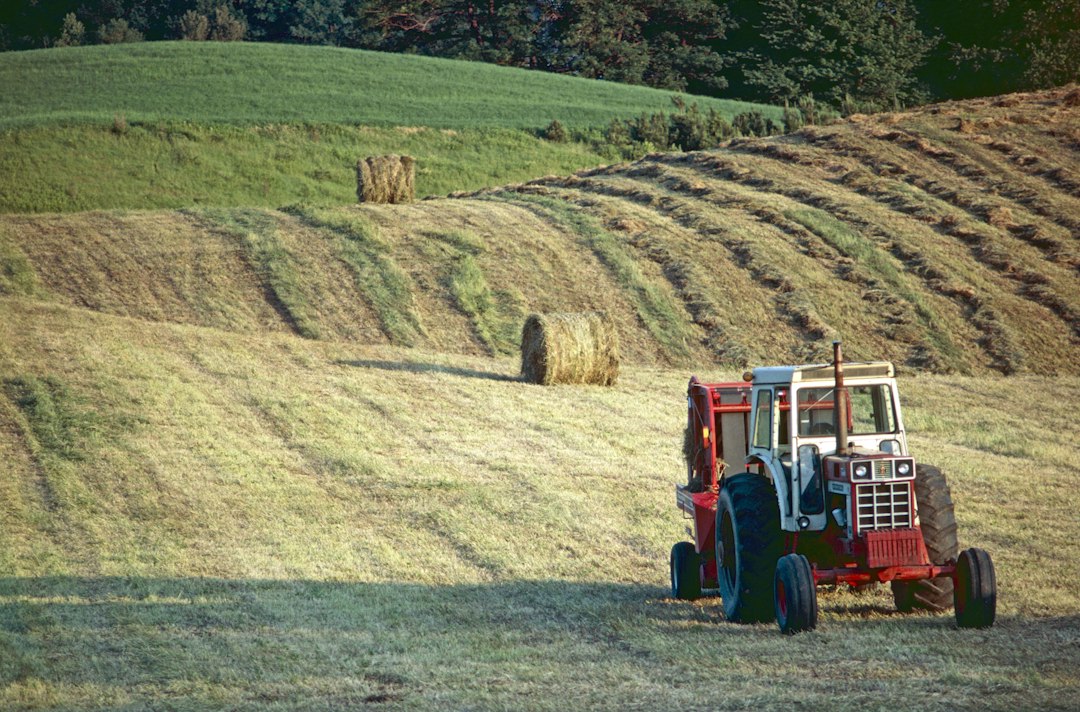
Sources: The Canadian Encyclopedia, “Elgin Settlement”; Ontario Heritage Trust, “The Buxton Settlement” provincial plaque background paper; Wikipedia, “Buxton National Historic Site and Museum.” Photo: file photo of farmland in southern Ontario (Brant County) by Michael Hamments via Unsplash, not a picture of Buxton.
Follow Canada News Media
Get the day's top Canadian stories and our two daily 60-second news videos wherever you scroll.
X Threads Facebook Instagram LinkedIn TikTok YouTube Pinterest Reddit Substack Flipboard Newsletter RSS