

Indonesia began cutting natural gas exports to Singapore on Oct. 24, 2026, trimming 31 million standard cubic feet a day as the two neighbours argue over wildfire haze that has blanketed Southeast Asia for weeks.
The cut is small. Singapore’s Energy Market Authority said it is less than 2 per cent of the city-state’s total daily gas demand, according to AFP reporting carried by Malay Mail. But it lands in the middle of a diplomatic quarrel, and Singapore’s prime minister has now said the country must look beyond natural gas.
Djoko Siswanto, head of Indonesia’s upstream oil and gas regulator SKK Migas, announced the cut on Oct. 23 on the sidelines of an industry awards ceremony in Jakarta, The Star of Malaysia reported. “Starting tomorrow, we will reduce gas exports to Singapore by 15 BBTUD from Natuna and 16 BBTUD from Sumatra,” he said. BBTUD stands for billion British thermal units a day. AFP and the South China Morning Post gave the same 15 and 16 split, with a total of 31 million standard cubic feet a day, so the outlets are describing the same volume in different units.
In a statement, Siswanto said the move was “to maintain the reliability of domestic gas supply for electricity,” the South China Morning Post reported. The Star, citing US Energy Information Administration data, said the cut equals roughly 8 per cent of the pipeline gas Indonesia exported to Singapore in 2024. That year Indonesia supplied Singapore with 145.3 billion cubic feet, according to AFP, which also cited the US agency.
The politics around the announcement are sharper than the numbers. Energy Minister Bahlil Lahadalia said on Thursday, Oct. 22, that Indonesia would act against countries that “do not respect” it, and The Star quoted him as saying: “I will not hesitate to consider stopping exports to countries that do not respect Indonesia.” He did not name a country. Bahlil said Indonesia exports about 30 per cent of its gas production and keeps the other 70 per cent at home.
President Prabowo Subianto criticised “countries that like to insult” Indonesia over the haze on Wednesday, Oct. 21, according to AFP, again without naming any. The stated reason for the cut is domestic electricity supply.
Singapore has pushed back in measured terms. The Energy Market Authority said Singapore’s importers will pursue contractual recourse and that the country has contingency plans, AFP reported. Prime Minister Lawrence Wong, speaking on Oct. 25 at a People’s Action Party awards ceremony, said: “We expect all parties to honour their commitments,” Mothership.SG reported.
Wong said the gas is “covered by commercial contracts” and that Singapore built liquefied natural gas terminals “to import natural gas from different countries, without having to rely on pipelines.” He added that Singapore must “look beyond natural gas” and is “studying seriously the potential of nuclear energy,” while stressing that “safety must come first.”
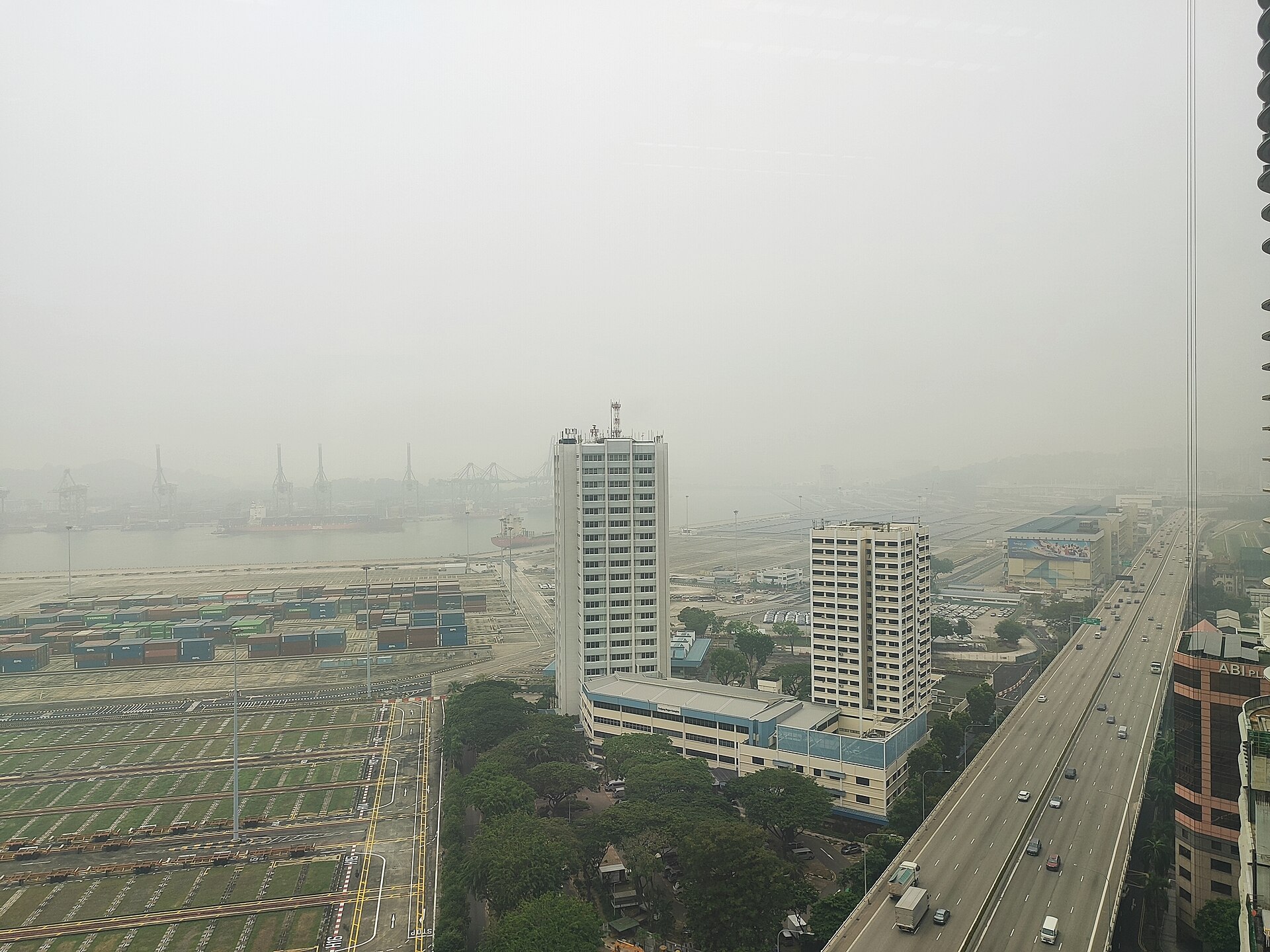
The gas row sits on top of a serious air-quality crisis. Singapore recorded a season-high Pollutant Standards Index reading of 230 in the west of the island on Oct. 18, its 14th straight unhealthy day, as we reported. Minister Grace Fu said some of that haze came from fires on land held by seven companies in Indonesia. Malaysia, which moved to close schools where the haze index tops 180, is also affected.
Nusantara Atlas, a deforestation monitor, says fires burned more than 1.9 million hectares in Indonesia in the nine months to September, AFP reported. The haze has affected Indonesia, Malaysia, Singapore and East Timor, and ASEAN has called a meeting on the crisis. AFP reported that Singapore has promised legal action against the companies responsible for the fires.
The two countries already had a gas history. A 2022 agreement extended Singapore’s supplies until 2028 at lower volumes, The Star reported, and Deputy Prime Minister Gan Kim Yong said in September 2025 that Singapore’s gas import contracts expire at the end of 2028. Bahlil said on Oct. 19 that the two countries are discussing cross-border electricity trade but have not settled on pricing.
For Canadians, the direct exposure is travel and family ties rather than trade. Global Affairs Canada’s Singapore advisory, last updated Oct. 15, tells travellers to take normal security precautions and warns that haze can be especially hazardous from June to October, advising people with respiratory problems or other health conditions to monitor pollution levels. Its Indonesia advisory, updated Oct. 13, says to exercise a high degree of caution and notes that burning in Sumatra and Kalimantan, which it describes as unrestricted, can push air pollution to unhealthy levels. Neither advisory mentions the gas cut. We found no statement from the Canadian government on it.
What happens next depends on whether Jakarta widens the cut. Bahlil has said the government will review gas allocations to direct more supply to domestic industry, especially petrochemicals, The Star reported. No date has been announced for the ASEAN meeting on the haze, and Singapore has not said whether its importers have formally started legal proceedings.
Via South China Morning Post, Malay Mail (AFP), The Star (Malaysia) and Mothership.SG. Government of Canada travel advisories read directly. Figures for the cut are as reported by Indonesian officials and have not been independently verified by Canada News Media.
If you find reporting like this useful, consider supporting Canada News Media, an independent Canadian newsroom with no corporate parent.
Follow Canada News Media
Get the day's top Canadian stories and our two daily 60-second news videos wherever you scroll.
X Threads Facebook Instagram LinkedIn TikTok YouTube Pinterest Reddit Substack Flipboard Newsletter RSS