


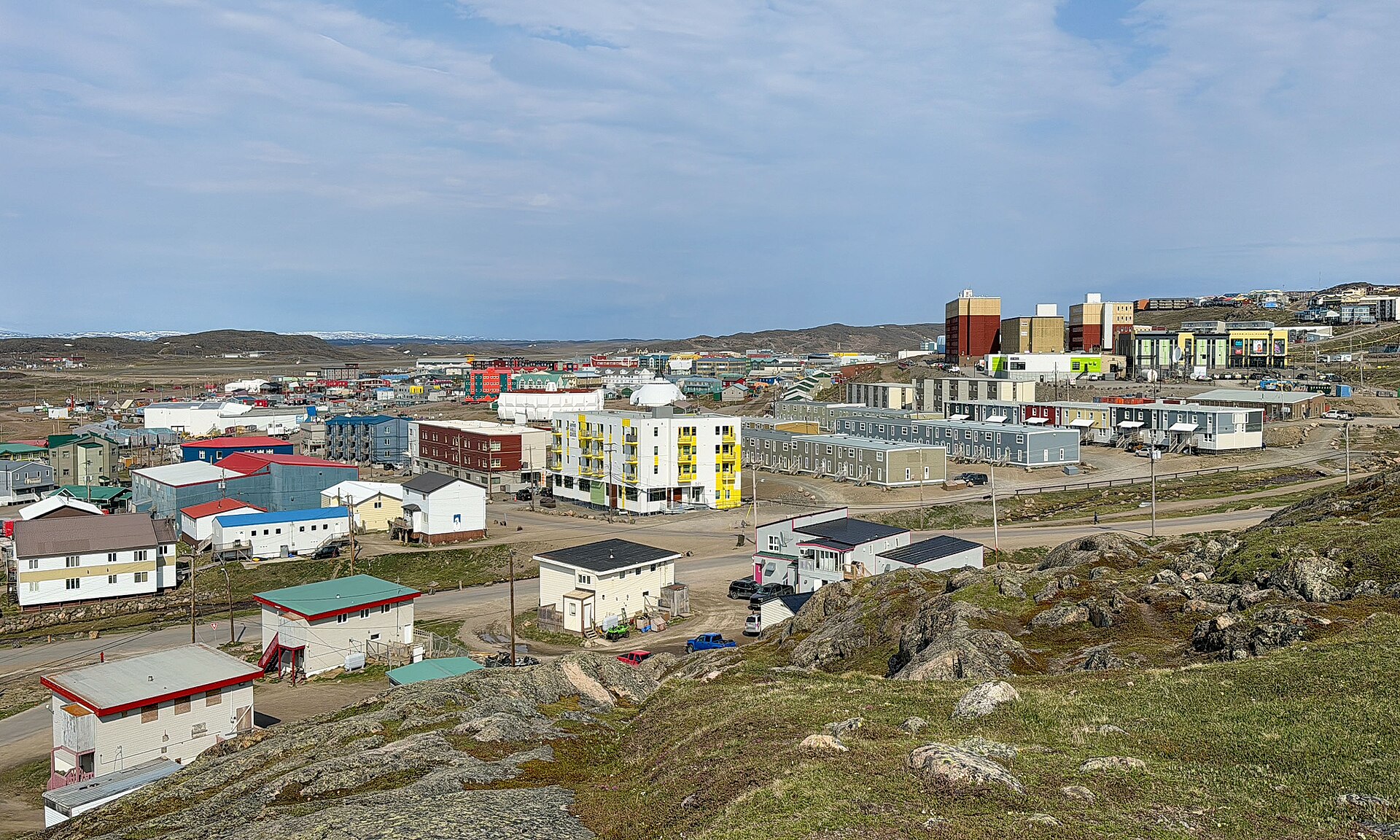
Microplastics in lakes around Iqaluit most likely come from a local source, according to a new study published in the journal Arctic Science.
Researchers sampled 19 lakes near the Nunavut capital in the summers of 2022 and 2023, nine east of the city and 10 to the north. The highest concentrations of particles turned up in lakes east of Iqaluit, which are downwind of the community, according to Nunatsiaq News.
The study, titled “Microplastics in stair-step moss and lake water on Baffin Island, Nunavut, reflect a local source component,” was written by researchers including Kelly Evans, Patricia Corcoran and Julian Aherne and published online on Oct. 8, 2026.
Corcoran, an earth sciences professor at Western University and one of the authors, said wind direction matters because microplastics can travel long distances through the air. The pattern of higher concentrations downwind of Iqaluit points to a nearby source rather than only distant fallout, she told Nunatsiaq News.
“Wherever we go, we’re shedding microplastics,” Corcoran said in an interview from London, Ont.
Researchers collected moss, lake water and shoreline sediment. The particles were found mainly in the moss and lake water, and most were fibres, which Corcoran said are typically shed by textiles such as rugs, nylon-based materials and clothing.
Microplastics can also reach lakes through creeks and rivers, and human activity such as boating and fishing can add to the load, she said.
Corcoran and Evans published separate research in February in the journal Science of the Total Environment on fish from across Nunavut, the Yukon and the Northwest Territories. Of 435 fish from seven species collected between 2018 and 2021, 68 per cent had consumed microplastics, according to Nunatsiaq News.
Fish in Great Slave Lake in the Northwest Territories had the highest concentrations, followed by fish from lakes on Cornwallis Island in the Qikiqtaaluk Region. Corcoran said the Cornwallis Island result was a surprise given how remote the island is. She said debris from a nearby landfill or the community’s airport may be to blame in Resolute Lake, near Resolute Bay.
Corcoran said microplastics are known to harm fish that ingest them, and that plastics contain thousands of chemicals, including some known endocrine disruptors and carcinogens.
The findings add to a run of northern environment coverage, including Canada’s oceans envoy visiting the Arctic. Last week we also reported on Nunavut’s idle elder vans.
If you find reporting like this useful, consider supporting Canada News Media, an independent Canadian newsroom with no corporate parent.
Follow Canada News Media
Get the day's top Canadian stories and our two daily 60-second news videos wherever you scroll.
X Threads Facebook Instagram LinkedIn TikTok YouTube Pinterest Reddit Substack Flipboard Newsletter RSS