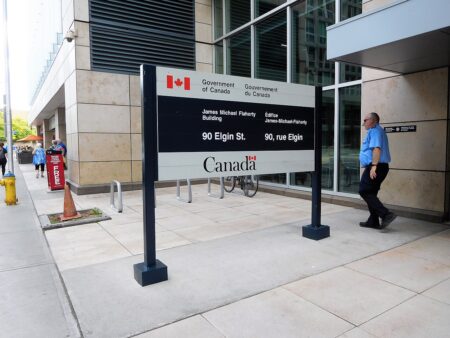



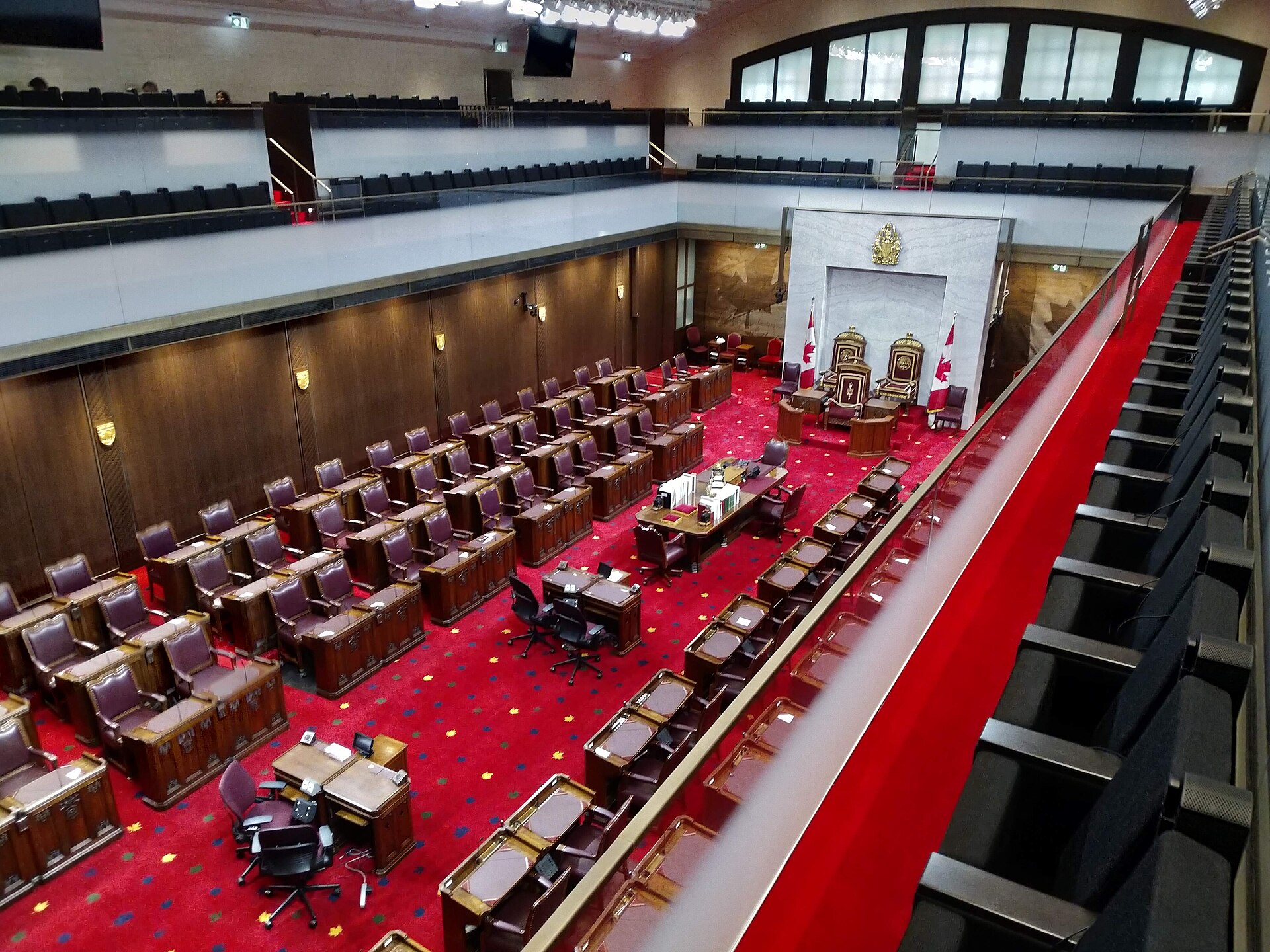
Canada’s privacy commissioner urged the Senate on Monday to make further changes to Bill C-22, the federal government’s lawful access legislation, as the Senate’s national security committee began its review of the bill, CBC News reported.
“Extra amendments, I believe, are still necessary to better protect the privacy of Canadians while continuing to provide to state authorities the tools needed to carry out their important work,” Privacy Commissioner Philippe Dufresne testified, according to CBC.
The bill would give police and the Canadian Security Intelligence Service faster access to digital information during investigations. It would lower the legal threshold for obtaining basic subscriber information, such as names, addresses, phone numbers, email addresses and account numbers, from “reasonable grounds to believe” to “reasonable grounds to suspect” that an offence has been or will be committed.
Dufresne said the definition of subscriber information, and who can be asked to hand it over, remains too broad given the lower threshold. He said that depending on the service, the information could include data from health-care providers, lawyers, financial institutions and dating apps, which could carry a heightened expectation of privacy.
He recommended narrowing the definition to a finite list, or adding a carve-out for medical or privileged information, and limiting requests to telecommunications service providers. He also said the idea of “publicly available” information, which police would not need a warrant to obtain, is undefined, and that people do not automatically lose their privacy rights in information that becomes public.
The second half of the bill has drawn the most objections. It would require technology companies to adapt their systems so they can hand over information to investigators with a warrant, and it lets the public safety minister issue confidential orders requiring electronic service providers to build surveillance and monitoring capabilities into their systems. The intelligence commissioner would first review those orders.
Intelligence Commissioner Simon Noël told the committee senators may want to consider requiring the minister to weigh necessity and proportionality when making such orders, CBC reported.
Public Safety Minister Gary Anandasangaree, who testified before the same committee later Monday, argued that investigators face delays in getting basic information that can be critical to identifying a suspect or rescuing a victim. “That is why Bill C-22 matters,” he said.
Anandasangaree brought in amendments in June that limit when companies must decrypt information and cut the time they must keep metadata to six months from up to a year. Apple has said the changes do not go far enough and that the bill could still undermine encryption.
The pushback is not new. We reported earlier that tech firms urged the Senate to amend the bill, and that Signal repeated its warning it would quit Canada over Bill C-22.
The report is based on CBC News coverage of the committee hearing; Canada News Media has not independently confirmed the testimony.
If you find reporting like this useful, consider supporting Canada News Media, an independent Canadian newsroom with no corporate parent.
Follow Canada News Media
Get the day's top Canadian stories and our two daily 60-second news videos wherever you scroll.
X Threads Facebook Instagram LinkedIn TikTok YouTube Pinterest Reddit Substack Flipboard Newsletter RSS