

The federal government’s move to fast-track the Roberts Bank Terminal 2 port expansion is not about speeding up an environmental assessment. That assessment finished three years ago. What a national interest designation would change is the fate of the single permit the project still does not have, and possibly the 370 legally binding conditions attached to the approval it already holds.
A notice published in the Canada Gazette on Aug. 29 opened a 30-day consultation on whether to list the Metro Vancouver container terminal under the Building Canada Act, according to CBC News. The Major Projects Office says comments are open until Oct. 1. Ottawa referred the project to that office on July 16 and began consultations with Indigenous communities, the B.C. government and federal permitting departments the same month.
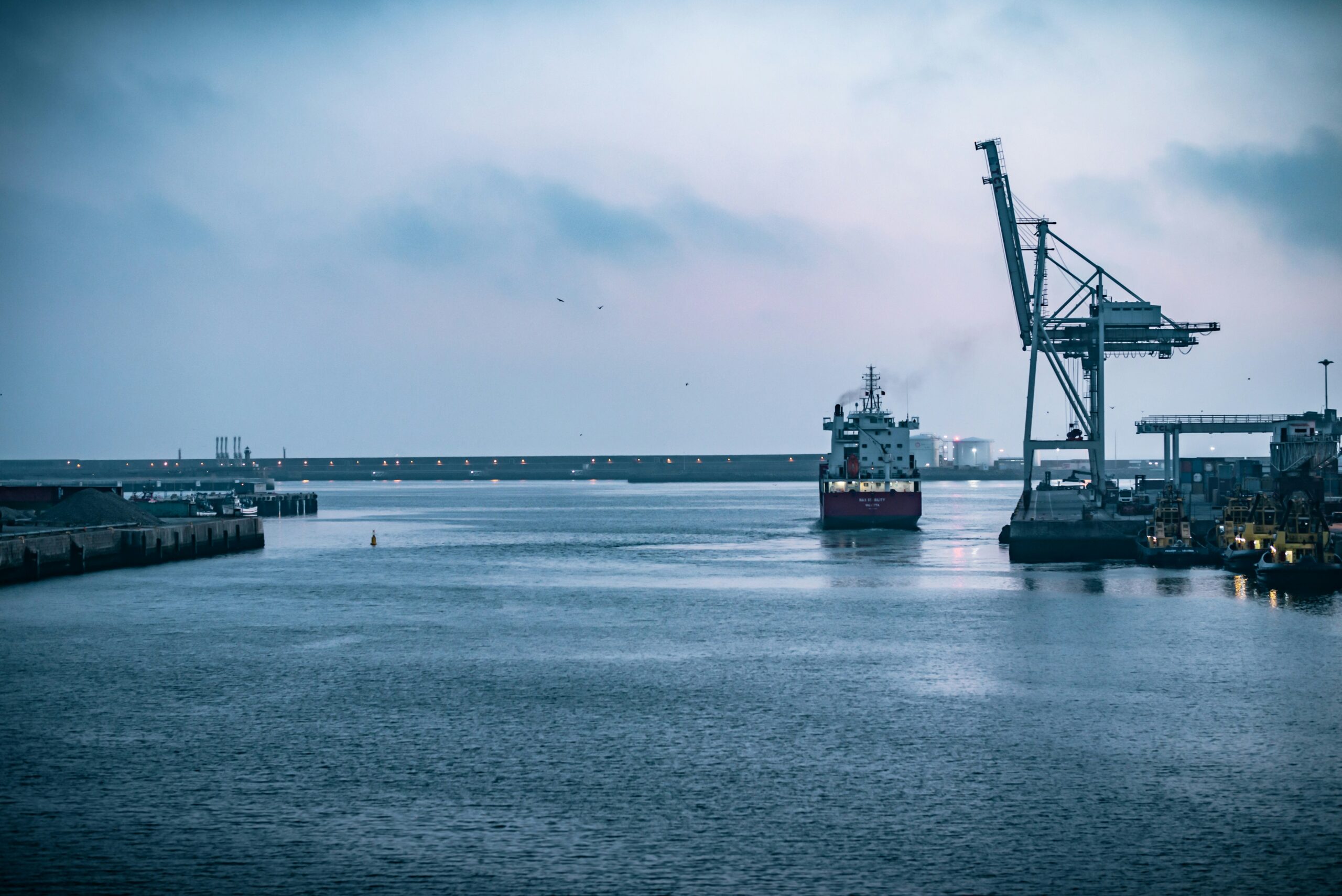
Roberts Bank Terminal 2 is a proposed three-berth container terminal in Delta, B.C., that would raise the Port of Vancouver’s container capacity by nearly 50 per cent on 320 acres of new industrial land. The Major Projects Office estimates it would unlock about $100 billion in annual trade capacity, add more than $3 billion a year to GDP and support over 17,000 jobs across the supply chain. Prime Minister Mark Carney announced $10 billion in federal support for the expansion in July as part of a broader agreement with British Columbia.
The project is not waiting on a review. Then environment minister Steven Guilbeault approved it in April 2023 subject to 370 legally binding conditions, the largest number attached to any Canadian project to that point, enforced by the Impact Assessment Agency of Canada. B.C. issued its own environmental assessment certificate the same year with 16 more. The port authority was required to post $150 million as a guarantee the conditions would be met. Both governments acknowledged the terminal would cause significant adverse environmental effects and concluded those effects were justified in the circumstances.
What remains outstanding is an authorization from Fisheries and Oceans Canada tied to compliance with the Species at Risk Act. If cabinet lists the project as being in the national interest, it could gain discretionary power to exempt the terminal from that act, according to CBC’s reporting. That is the practical mechanism in play, and it is narrower and sharper than the general concern about bypassing environmental review.
Neither the Gazette notice nor the Major Projects Office project page states what happens to the 370 conditions if the listing proceeds. The office describes streamlining as coordinating remaining permitting and reducing regulatory delays. Whether coordination means the conditions survive intact, get consolidated, or are reopened is the question the consultation has not answered, and the one worth pressing before Oct. 1.
The stakes on the other side are specific. The terminal would be built in the Fraser River estuary, which supports more than 100 species at risk of extinction. Julia Levin, associate director of national climate with Environmental Defence, told CBC the project would destroy nearly 200 hectares of that estuary. Seventy-five southern resident killer whales remain. Chinook salmon, one of their main food sources, has lost roughly 85 per cent of its habitat in the area to development, according to a 2021 study cited in the same report. The port authority says it will restore 102 hectares of habitat in collaboration with First Nations and require ships to join underwater noise slowdown programs. A Federal Court judge dismissed a challenge brought by environmental groups last year.
Ottawa points to 27 mutual benefit agreements signed between the port authority and First Nations as evidence of consent. By its own account, the Major Projects Office is also still consulting potentially affected Indigenous communities on the listing itself, which is a separate question from whether the project proceeds at all.
For readers outside British Columbia, this is not a local file. Ottawa’s stated goal is doubling exports to non-U.S. markets by 2035, and with Canadian counter-tariffs on American goods taking effect Sept. 8, that diversification has stopped being theoretical. Roberts Bank is where a large share of it would physically move.
via CBC News. Original: As Carney advances Metro Vancouver port expansion, environmentalists raise concern for at-risk species. Project details and figures via the Major Projects Office, Privy Council Office.
Follow Canada News Media
Get the day's top Canadian stories and our two daily 60-second news videos wherever you scroll.
X Threads Facebook Instagram LinkedIn TikTok YouTube Pinterest Reddit Substack Flipboard Newsletter RSS