

There’s more truth to the hatred, taboo beliefs, and raw emotions expressed on social media than we’re willing to admit.
From morning to night, you and I practise the unbending routine of self-control. We force a smile when our boss moves the goalposts. We stay silent when an acquaintance spews absurd conspiracy theories. We internalize the friction of daily life: the rudeness, the entitlement, the petty demands, and the constant noise of unfiltered egos around us. You and I constantly filter our behaviour, swallowing our truths and compromising our beliefs because we learned early in adulthood that “go along to get along” is the price of admission to society. It’s the survival strategy that lets us get through the day with as few scars as possible.
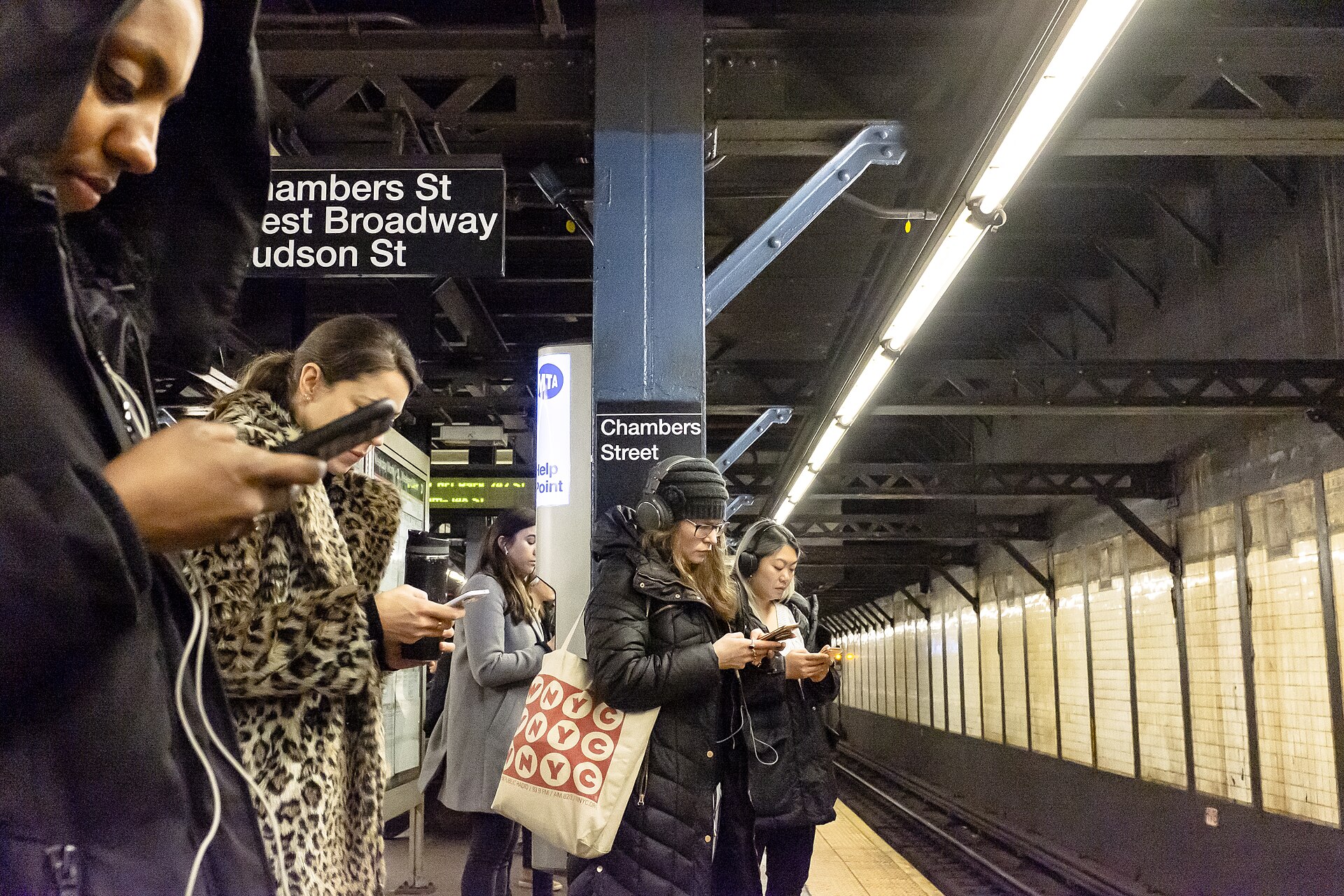
However, when we unlock our phones, scroll through social media, or read the comments on an article, our filters give way to pent-up emotions.
Within seconds, our carefully constructed mask of public politeness slips off. We start leaving comments that don’t merely disagree; they’re meant to decimate. We post visceral rants about everything from geopolitical crises and political ideologies we feel are ruining the country to local zoning laws.
For years, cultural critics and psychologists have warned that social media isn’t just distorting our worldviews; it’s poisoning our empathy. Algorithms are portrayed as external pollutants that corrupt our innate goodness, turning mild-mannered people into aggressive keyboard warriors. We want to believe this narrative because it lets us avoid acknowledging that our toxic online behaviour is entirely our own doing.
Social media isn’t a distortion chamber; it’s a reflection of our unfiltered human subconscious, letting us say our quiet parts out loud.
Because digital distance and anonymity strip away the threat of real-world consequences, online platforms have become the ultimate dumping ground for our raw mental overflow. We vent online precisely because we don’t expect consequences. As NYU social psychologist Jonathan Haidt observed, technology acts as an accelerant because “anonymity and distance remove the normal social brakes (the shame, the embarrassment, the immediate human eye contact) that keep our worst impulses in check.” Shielded by the illusion of zero accountability, we unleash online what we’d never dare say to someone’s face.
For centuries, social friction and physical distance created a delay between thought and speech. Digital networks have eliminated that delay. As author James Gleick noted in his 2011 book The Information: A History, a Theory, a Flood, instant global connectivity means “we live in an era of near-instantaneous transmission,” in which impulse no longer has time to cool before it becomes a public statement.
We’ve built civilizations through the necessary act of self-censorship, which has enabled us to coexist peacefully rather than destroy one another. For centuries, our darkest impulses (petty resentments, partisan rage, intolerance, vindictiveness) were kept locked in the mind’s basement, suppressed by basic etiquette and our need to survive together. Then came the Internet and social media, which gave us a means to amplify those impulses.
In the physical world, saying what you really think carries immediate costs: an awkward silence, a broken friendship, or a bloody nose. Online, those consequences don’t carry the same weight. Without the physical proximity and the quiet restraint that keep us civil while standing in line at the grocery store, our urges run free.
Seen this way, the online outrage machine looks less like an aberration and more like a massive unburdening. Social media lets us set down the exhausting weight of daily politeness and ease the cognitive strain of swallowing our truths and feelings to maintain decorum.
Social media companies didn’t invent human toxicity; they discovered an oil field and built derricks to monetize it. Algorithms don’t create our latent hostilities; they’re scientifically engineered to profit from them. They know anger feels like truth and outrage feels like power. Digital oligarchs don’t just drill for our anger; they refine our fears, biases, flaws, and grudges into dopamine hits that incentivize us to turn our basement thoughts into public performances they can monetize.
Blaming the algorithm is a convenient excuse. It lets us preserve a flattering myth: that behind our keyboards, we’re all decent, empathetic citizens who merely lost our way online. In fact, we knowingly take off our masks because wearing them is exhausting.
By elevating emotional transparency to a virtue, social media is eroding the foundation of social harmony. While civilization can endure flawed algorithms, it cannot survive the loss of social hypocrisy, which is essentially adults choosing manners over raw impulse. When we abandon this courtesy, our ability to coexist collapses. I’m sure you’ve noticed this is already underway.
The real challenge of the digital age isn’t fixing our feeds; it’s accepting what they reveal about who we truly are. The hostility that has permeated every corner of the Internet and social media reflects how we truly feel when no one is watching. Society won’t hold together by tweaking algorithms or regulating Silicon Valley. It requires each of us to lock eyes with the backlit screen we’re hunched over, recognize what’s looking back, and decide whether to wear masks online.
Nick Kossovan, a self-described connoisseur of human psychology, writes about what’s on his mind from Toronto. You can follow Nick on X and Instagram @NKossovan.
Follow Canada News Media
Get the day's top Canadian stories and our two daily 60-second news videos wherever you scroll.