



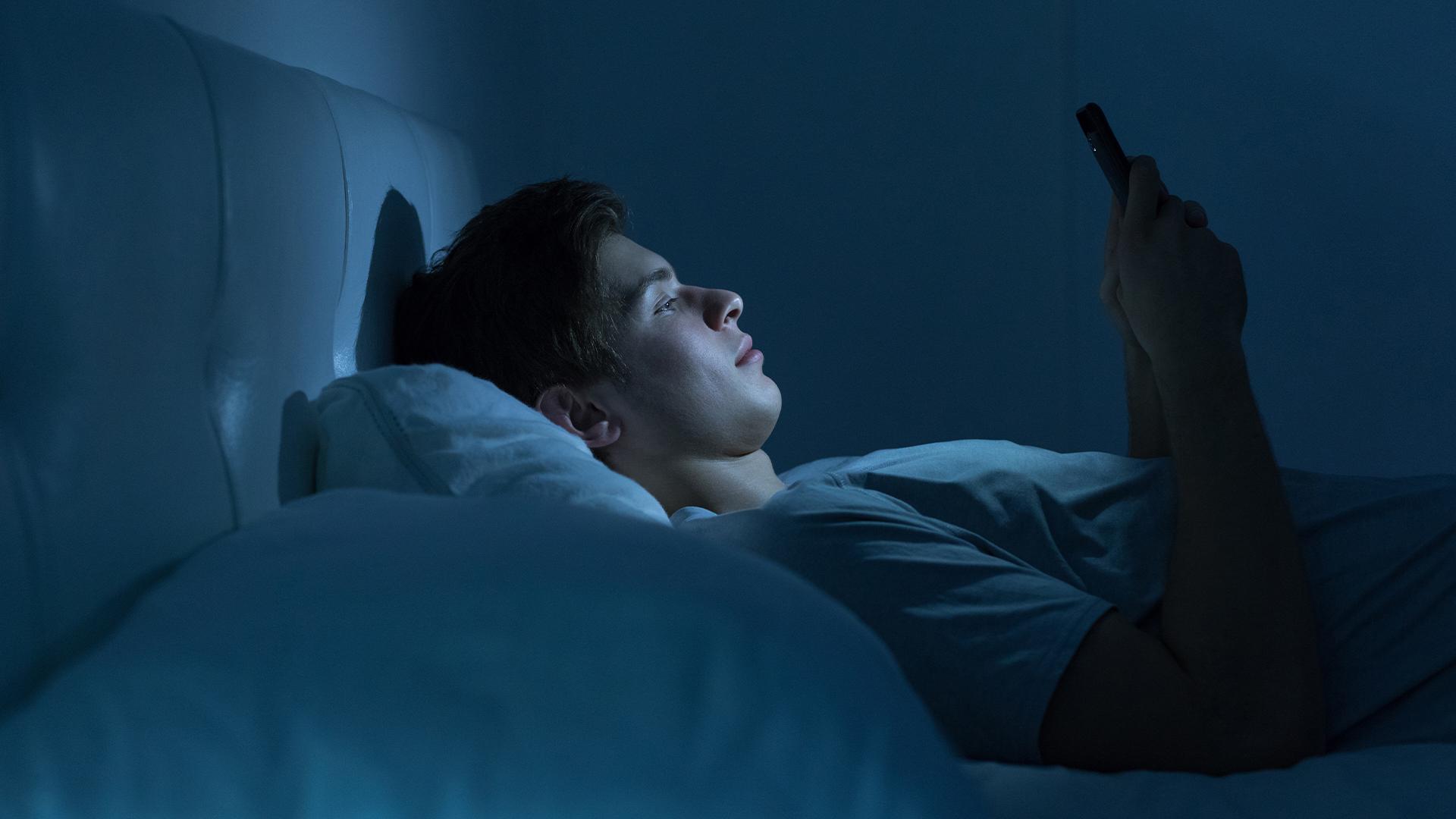

Effect of light color on circadian rhythm and sleep.
- The circadian rhythm, our body’s internal clock, orchestrates the sleep-wake cycle.
- Exposure to natural light during the day regulates the circadian rhythm, influencing alertness and promoting better sleep at night.
- Blue light has been shown to negatively affect sleep, but a new study explores the effect of yellow light on circadian rhythm and sleep.
Sunlight plays a crucial role in our lives. Humans rely on sunlight for several processes, especially physiological, including regulating the circadian rhythm and sleep, vitamin D synthesis, and overall well-being.
The circadian rhythm is an adaptive internal process that helps to regulate the sleep-wake cycle based on the external environment. For humans, the circadian rhythm repeats every 24 hours, based on the body’s biological clock or circadian clock.