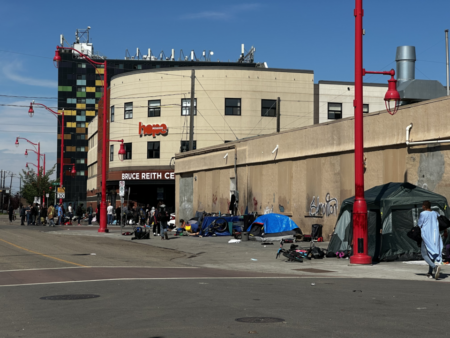


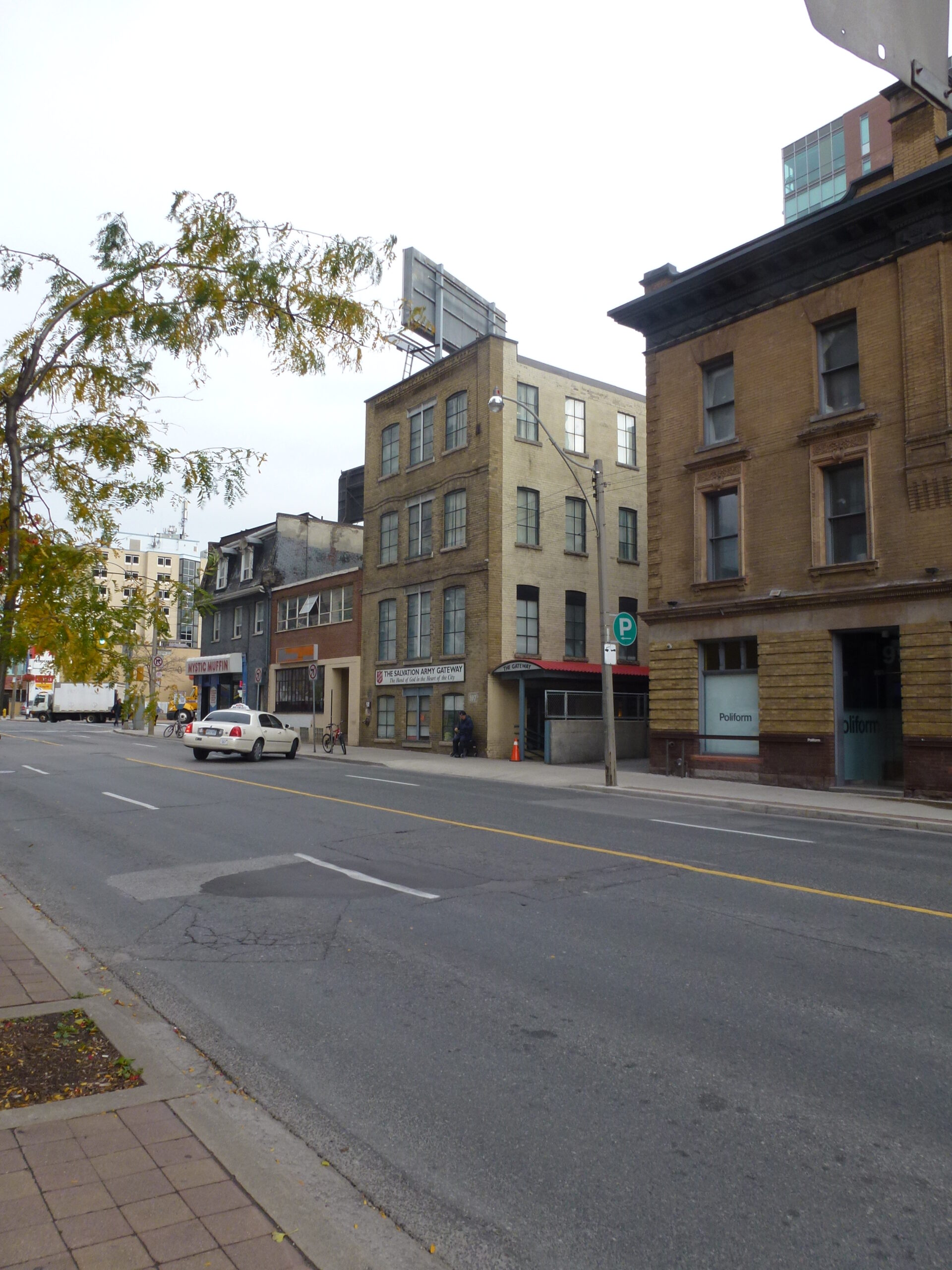
An average of 112 people a day called the City of Toronto’s Central Intake line in October looking for an emergency shelter space and were never matched to one by the end of the night, according to city records analyzed by Canada News Media.
That was nearly four times the level of January, when the daily average fell to 30, the lowest month since February 2022. The count has risen in most months since, reaching 102 a day in September and 112 in October.
October’s figure was still well below the past three years. The daily average was 155 in October 2025, 225 in October 2024 and 291 in October 2023, the highest October in records that begin in late 2020. From January to October, the city recorded 23,162 unmatched callers counted day by day, down 40 per cent from 38,562 in the same months of 2025.
Central Intake is the city-run, 24-hour phone service that refers people to shelter and other overnight spaces. The city’s Shelter, Support and Housing Administration publishes a daily count of unique people who asked for a shelter space and could not be matched to one that suited their needs. A caller who is not placed stays in the queue until a referral comes up or until the nightly close-out at 4 a.m. The count is of people on a given day, so someone who goes unmatched several nights in a row is counted each night.
In October, 47 of the 112 unmatched people a day had called more than once that day, the records show. The busiest day was Oct. 20, when 140 people were left unmatched. The quietest was Oct. 4, with 90.
A second city file, which sorts the calls caseworkers answer by outcome, shows a similar pattern. In October, Central Intake handled an average of 580 calls a day, and 195 of them ended with a code meaning no shelter space was available for an individual or couple. That was one call in three, compared with about one in six in October 2021. A further seven calls a day were coded as no space available for a family, down from 58 a day in October 2024.
Referrals to a sleeping or resting space averaged 23 calls a day in October, up from five a day in October 2024. The call file counts calls, not people, and does not track whether a referral led to a stay.
The figures fit what the city’s shelter occupancy records already show. Our analysis earlier this week found that Toronto shelter spaces fell by 1,540 as refugees left, and the rest were nearly full, with beds about 96 per cent occupied in November. That story noted that the occupancy file does not show how many people were turned away, which is what the Central Intake records measure.
The city announced on Nov. 10 that it would open up to 1,533 winter shelter and housing spaces between Nov. 15 and April 15, 2027, some only during extreme cold. The October records predate that winter capacity, and the November file is expected in December.
The numbers do not explain why the unmatched count rose through 2026 or why it remains lower than in past years. They do not count people who did not call, people sleeping outdoors who never asked for a bed, or people placed later in the night. The city says the queue data are prepared by hand from caseworkers’ records and updated monthly.
People who need a shelter space in Toronto can call Central Intake at 416-338-4766 or 1-877-338-3398, or 311, at any hour.
How we checked: We downloaded the City of Toronto’s Central Intake calls open data on Nov. 26: the service queue file (daily counts of unmatched callers, single and repeat, from Oct. 30, 2020, to Oct. 31, 2026, updated Nov. 20) and the call wrap-up codes file (daily calls handled by outcome code from Nov. 3, 2020). We averaged daily figures by month, added January-to-October daily counts for 2025 and 2026, and calculated shares of calls handled. Because the queue counts people per day, monthly totals are person-days rather than unique people.
Sources: City of Toronto, Shelter, Support and Housing Administration, Central Intake service queue data and call wrap-up codes data (Toronto Open Data).
If you find reporting like this useful, consider supporting Canada News Media, an independently owned Canadian newsroom.
Follow Canada News Media
Get the day's top Canadian stories and our two daily 60-second news videos wherever you scroll.
X Threads Facebook Instagram LinkedIn TikTok YouTube Pinterest Reddit Substack Flipboard Newsletter RSS