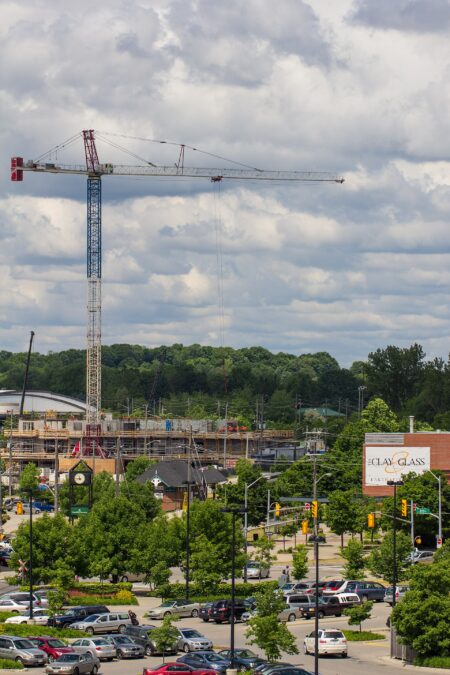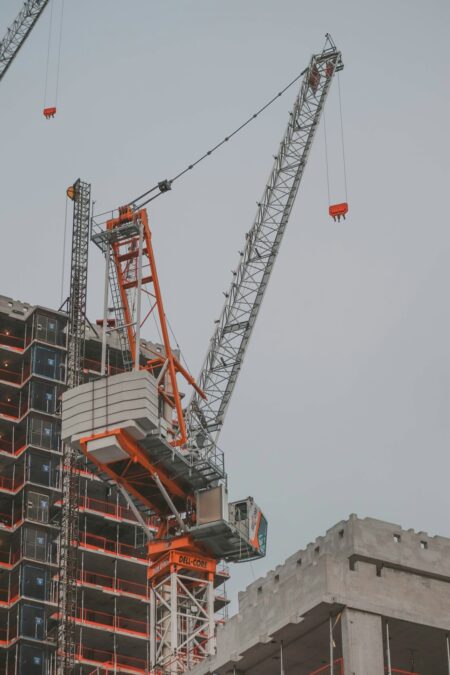



Condominium construction in Toronto has nearly ground to a halt, with builders breaking ground on just 156 new condo units in the first half of 2026, according to the Canada Mortgage and Housing Corporation’s Fall 2026 Housing Supply Report, released Sept. 10. That compares with an annual average of roughly 7,000 condo starts in the city over the previous decade.
At the same time, purpose built rental apartment construction in Toronto rose 82 per cent in the first half of 2026 compared with the same period in 2025, CMHC said. That pushed rental starts ahead of condo starts in the city for the first time since 1994.

“Although slower population growth has brought some improvements in affordability, new construction is slowing faster than demand,” said Aled ab Iorwerth, CMHC’s deputy chief economist, in the report.
Nationally, CMHC said Canada needs to build 417,000 to 469,000 homes a year through 2036 to restore housing affordability to 2019 levels. Current construction is running at roughly 231,000 units annually, a shortfall of 187,000 to 238,000 homes a year, the report said. Housing starts across Canada totalled 131,851 units in the first seven months of 2026, down 4 per cent from the same period in 2025, according to CMHC figures cited by Money.ca.
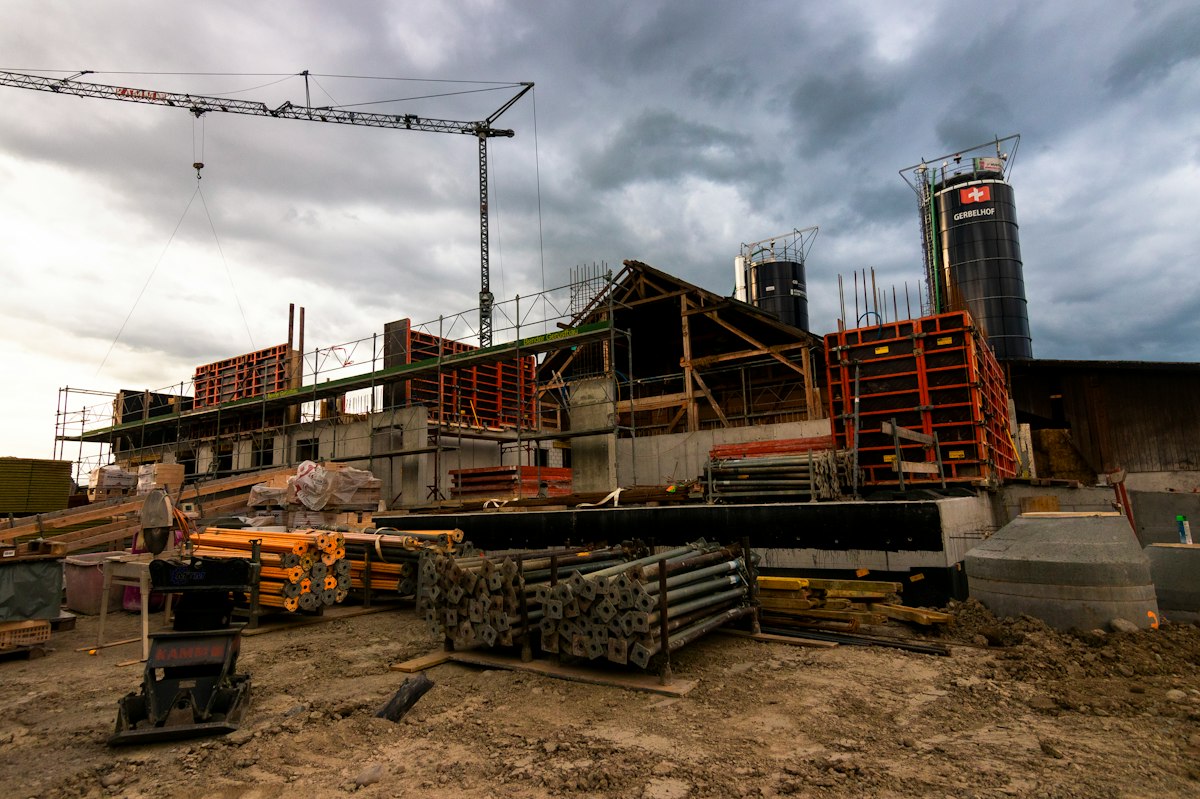
Toronto’s gap is among the widest CMHC identified. The report said the city needs 21,000 to 26,000 additional annual housing starts, more than a 50 per cent increase over current levels, to close its affordability gap by 2036.
A divided country
The report found sharp differences between Canadian cities. Montreal has the largest shortfall CMHC identified, needing 42,000 to 56,000 additional annual starts, with purpose built rentals already accounting for 86 per cent of apartment construction there. Ottawa needs 22,000 to 27,000 more starts a year, with rentals at 54 per cent of starts.

Vancouver’s supply gap held roughly steady, with CMHC estimating the city needs 5,000 to 7,000 additional annual starts. But condominium construction there fell 40 per cent in the first half of 2026, its weakest pace in 15 years, Business in Vancouver reported, citing CMHC figures. Rental apartments now make up about 60 per cent of Vancouver’s apartment starts, up from under 20 per cent a decade ago, the report said.

Calgary and Edmonton stood apart from the rest of the country. CMHC said Calgary’s supply gap has nearly closed, requiring just 4,000 to 5,000 additional starts a year, with the city posting 61 housing starts per 10,000 population in the first half of 2026, near record levels. Edmonton was the only major market CMHC identified with no measurable structural supply gap, posting 51 starts per 10,000 population over the same period.
Halifax continued a run of record construction activity, though CMHC flagged infrastructure limitations, including water, sewer and road capacity, as a risk to sustaining that pace.
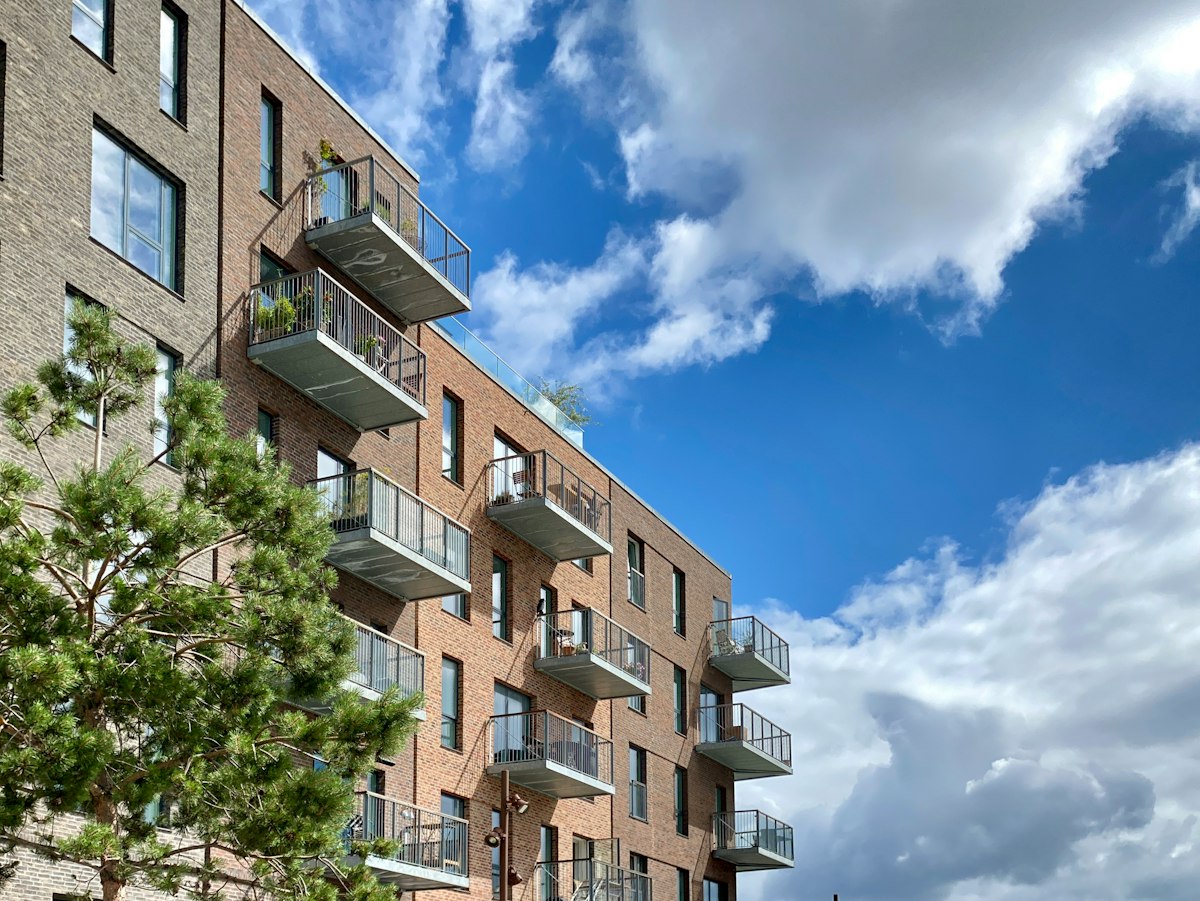
CMHC’s report cautioned that the shift toward rental construction, while easing pressure on renters in the near term, could create a different problem down the road. “The greater long-term risk may not be excessive rental construction,” the report said. “Instead, it may be insufficient condominium and ground-oriented housing supply.”
That distinction matters for first-time buyers in particular. Condos and ground-oriented homes, the report noted, are typically the entry point for Canadians moving from renting to ownership. With Toronto and Vancouver condo starts falling sharply even as rental construction climbs, CMHC’s data suggests the ownership ladder could grow harder to reach in the country’s two largest housing markets well before 2036, regardless of how quickly the rental shortage itself eases.
CMHC compiles the Housing Supply Report twice a year using its Starts and Completions Survey alongside its long-term demand modelling, and it is the agency’s primary tool for measuring how far individual markets sit from its 2036 affordability targets.
Follow Canada News Media
Get the day's top Canadian stories and our two daily 60-second news videos wherever you scroll.
X Threads Facebook Instagram LinkedIn TikTok YouTube Pinterest Reddit Substack Flipboard Newsletter RSS