


Rising rents in Truro helped push the living wage in northern Nova Scotia up more than anywhere else in the province this year, according to a Canadian Centre for Policy Alternatives report released Nov. 9.
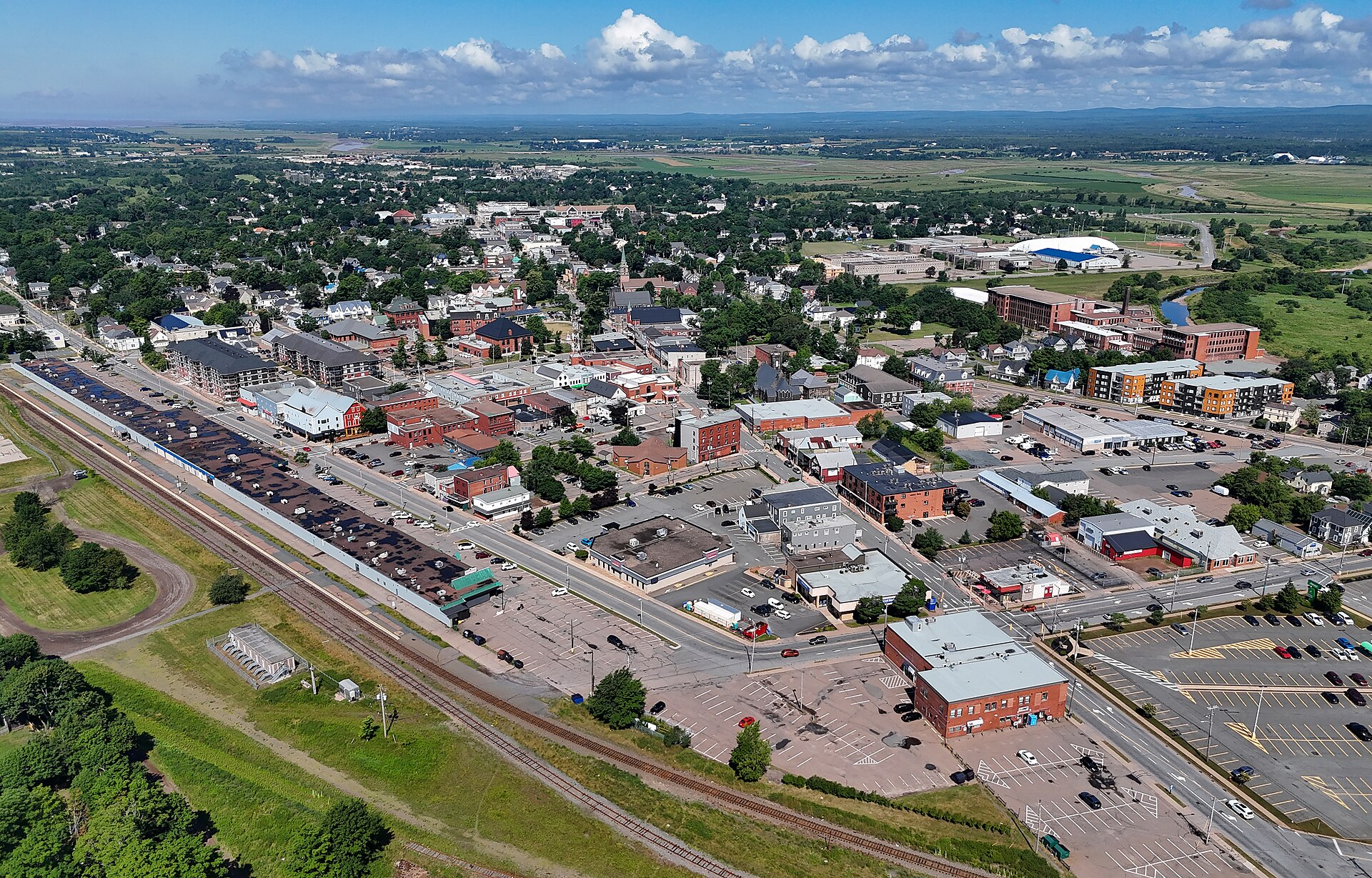
The report put the living wage in Halifax at $30 an hour, the highest in Nova Scotia. Its authors said the budget a household needs in the northern region, which includes Colchester County and Truro, rose 7.09 per cent, the largest jump of the five Nova Scotia regions, mostly because of shelter costs. Christine Saulnier, one of the report’s co-authors, told The Canadian Press that rent in Truro, about an hour north of Halifax, rose 32 per cent in 2026.
Saulnier said she assumes the Truro market is feeling pressure from people who can no longer afford Halifax. The town has also been in our recent coverage, when council weighed removing its 1899 farmers’ market hose tower.
The report found the northern region’s living wage is now only eight per cent below Halifax’s. Using the report’s $30 figure for Halifax, that works out to roughly $27.60 an hour. The gap between Halifax and Cape Breton, the province’s lowest-cost region, narrowed to 14 per cent from 17 per cent last year, which puts Cape Breton at about $26 an hour on our calculation.
Nova Scotia’s minimum wage is $17 an hour. On those regional figures, a full-time worker in the northern region would need to earn about $10.60 an hour more than the minimum to cover basic costs, and a worker in Cape Breton about $9 more. The province-wide average living wage is nearly $29 an hour, the report said.
The living wage is the hourly rate a household needs to cover basic expenses. The report’s reference household has two adults working full time and two young children, with no debt and no savings for a down payment. Saulnier said such a household has little buffer.
In a statement to The Canadian Press, a spokesperson for Nova Scotia’s Labour Department said the minimum wage has risen more than 30 per cent since 2021, from $12.95 to $17 an hour. The spokesperson said the province also has to consider the effect on small businesses and keep increases predictable and sustainable.
Melissa Marsman, president of the Nova Scotia Federation of Labour, said the province should invest in non-market housing so people can afford rent. The report recommends that provincial governments raise minimum wages significantly, cap rent increases and fund more affordable housing.
The report also found that living wages in Newfoundland and Labrador’s Labrador-Northern Peninsula region, at $30.50 an hour, passed Halifax’s for the first time. Rates ranged from just over $24 an hour on Prince Edward Island to nearly $29 in Nova Scotia. The authors cautioned that year-over-year comparisons are harder this year because Statistics Canada changed how it measures the Market Basket Measure of poverty.
The squeeze on household budgets is not limited to rent. Our earlier reporting found that Nova Scotia water prices rose 22 per cent in a year, the most since 1990, and that rent has outpaced median pay in all 27 cities we checked since 2019.
Sources: Canadian Centre for Policy Alternatives, 2026 Living Wages for Newfoundland and Labrador, Nova Scotia and Prince Edward Island, Nov. 9, 2026; The Canadian Press, Nov. 9, 2026. The dollar estimates for the northern region and Cape Breton are our own calculation from the report’s percentages.
If you find reporting like this useful, consider supporting Canada News Media, an independently owned Canadian newsroom.
Follow Canada News Media
Get the day's top Canadian stories and our two daily 60-second news videos wherever you scroll.
X Threads Facebook Instagram LinkedIn TikTok YouTube Pinterest Reddit Substack Flipboard Newsletter RSS