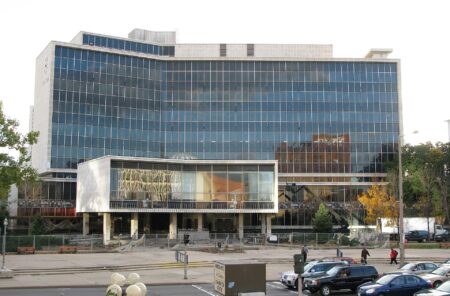

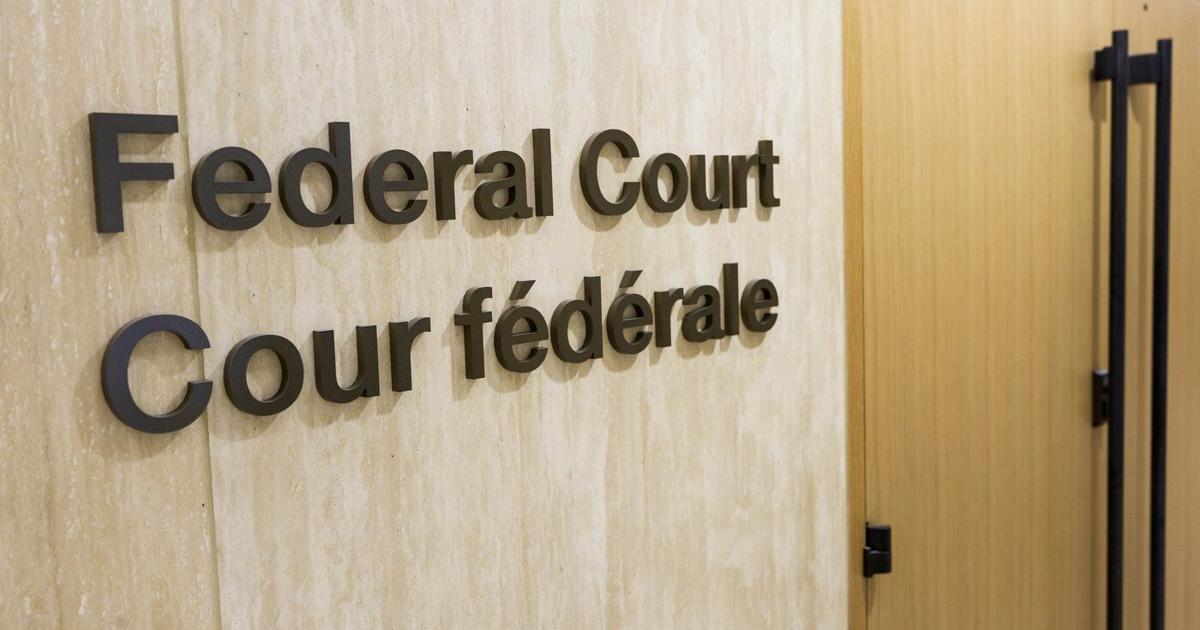
The first youth-led climate trial in Canadian history opened Monday at the Federal Court in Vancouver, where 15 young plaintiffs argue that federal climate law violates their constitutional rights by continuing the trajectory of greenhouse gas emissions, The Canadian Press reported.
Catherine Boies Parker, the lawyer for the plaintiffs, said in her opening statement that the case is not about whether climate change exists. She said the question is whether the government is “constitutionally required to stop making it worse.”
Boies Parker told the court her clients are not asking judges to design or carry out climate policy. She said those decisions belong to Parliament and the executive branch, and that the court’s role is to decide whether the plaintiffs have a constitutional right to protection. She argued the Charter must give young people a “degree of protection from their own government’s actions.”
She said Canada has known about the effects of climate change since at least 1988 and has “repeatedly failed to set sufficient targets” and to meet the targets it set.
BJ Wray, a Department of Justice lawyer for the federal government, told the court the Charter was “never intended to solve existential crises.” He said Canada is meeting its international obligations and has been reducing emissions since 2005. Wray said the remedy the youth want cannot be won through court orders because global climate change “requires a global solution” and Canada cannot ensure a safe climate system on its own. He asked the court to dismiss the claim.
Justice Simon Fothergill said he is “mindful that this could have implications” for other essential issues such as housing and health care, areas where the government does not currently recognize a free-standing obligation.
The case, known as La Rose, was first filed in 2019. Boies Parker said the effects of climate change have intensified since then, pointing to the 2021 heat dome in British Columbia, Canada’s record 2023 wildfire season and flooding. The plaintiffs, who come from seven provinces and two territories, are expected to testify about harms their lawyers link to government conduct, including respiratory illness worsened by wildfire smoke, displacement from extreme weather, climate anxiety and the loss of cultural connections to land. A plaintiff from Yellowknife was the first to testify.
West Coast Environmental Law, which supports the plaintiffs, said in a news release a year ago that the trial was expected to run about eight weeks.
The trial opens as the United Nations warns that the 1.5 C warming limit is now out of reach, a finding we reported over the weekend. It follows the Supreme Court’s decision to open its term with the Suncor climate case. A federal report earlier this year said the effects of climate change in Canada are now irreversible.
If you find reporting like this useful, consider supporting Canada News Media, an independent Canadian newsroom with no corporate parent.
Sources: The Canadian Press; West Coast Environmental Law.
Follow Canada News Media
Get the day's top Canadian stories and our two daily 60-second news videos wherever you scroll.
X Threads Facebook Instagram LinkedIn TikTok YouTube Pinterest Reddit Substack Flipboard Newsletter RSS