



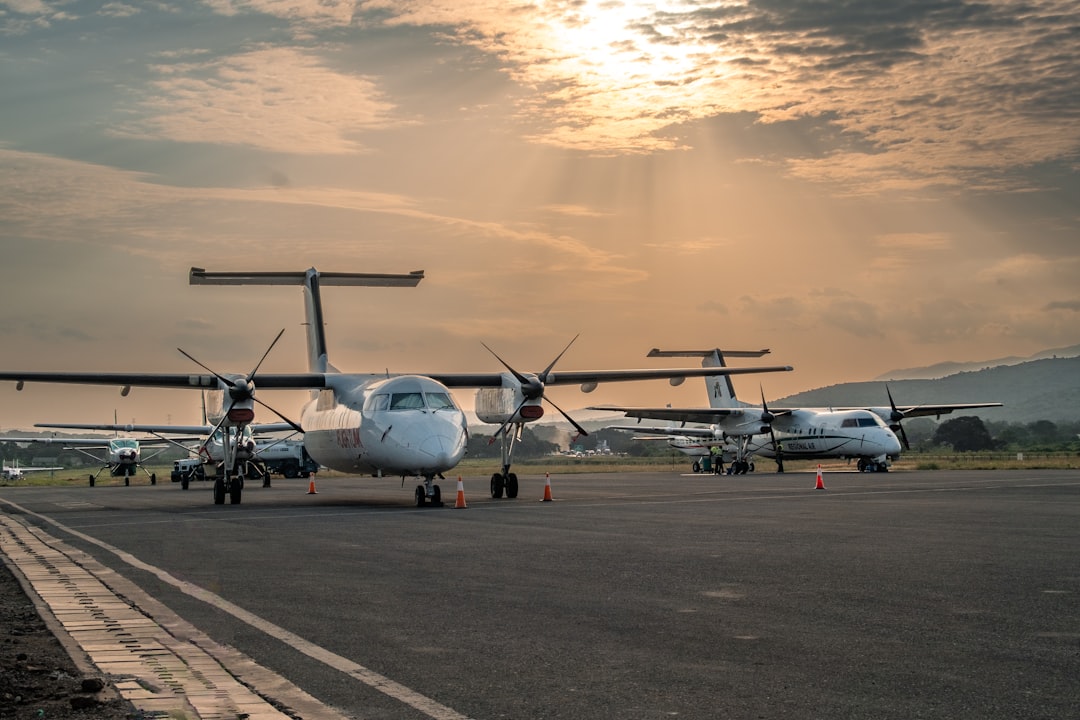
TORONTO — Flight attendants at Jazz Aviation have voted 99 per cent in favour of a strike mandate, their union said Friday, raising the prospect of a work stoppage at the regional carrier that flies most of Air Canada’s Air Canada Express routes.
The Canadian Flight Attendant Union, which represents more than 1,000 cabin crew at Jazz, said the result followed nine months of bargaining that failed to resolve what it described as the most critical issues in the dispute, The Canadian Press reported.
Union president Marsha Walters said members want to be fairly compensated for the work they do, according to The Canadian Press.
Halifax-based Jazz, which is owned by Chorus Aviation Inc., did not immediately respond to a request for comment from The Canadian Press.
A strike mandate is not a strike. It authorizes union leadership to call a work stoppage if bargaining collapses, and under the Canada Labour Code, federally regulated employers and unions must clear further procedural steps — including notice periods and, in most cases, the exhaustion of conciliation — before a legal strike or lockout can begin. No strike date has been set.
The vote closed at noon Friday, the union said earlier in the week in a release reported by trade publication Skies. Jazz flight attendants have been working under an expired contract since Jan. 1, though talks opened two months earlier, in November 2025. The two sides remain apart on several issues despite the involvement of a mediator, the union said.
“Safety does not begin at takeoff, nor does it end at landing,” Walters said in the release. She said fair working conditions, proper rest and respect for cabin crew are the foundation of that safety, and added that the union remains committed to reaching a negotiated agreement at the bargaining table.
Compensation for time worked on the ground is central to the union’s case. Walters said the union’s position is that if work is required it should be credited, and if the time belongs to the employer it should be paid. Flight attendants at most Canadian carriers have historically been paid only for time when the aircraft is in motion, meaning boarding, deplaning and delays on the ground have gone largely uncompensated.
That issue drove the 2025 strike by Air Canada flight attendants represented by the Canadian Union of Public Employees, which grounded the mainline carrier’s operations for three days in August of last year and drew federal intervention. The tentative agreement that ended the walkout included what the airline called a modernization of compensation for work performed on the ground, along with wage, pension and benefit improvements. Members rejected it, with the CUPE Air Canada component reporting that 99.1 per cent voted against, and the wage portion of the dispute was subsequently referred to mediation and then arbitration.
The Jazz dispute is separate. CUPE represents cabin crew at Air Canada mainline and Air Canada Rouge, while flight attendants at Jazz and PAL Airlines — the two carriers flying under the Air Canada Express banner — bargain on their own.
The scale of any disruption at Jazz would differ from last year’s. Jazz operates a fleet of regional aircraft feeding Air Canada’s network, connecting smaller Canadian centres to hubs in Toronto, Montreal, Vancouver and Calgary. A stoppage would fall hardest on communities with limited air service rather than on trunk routes, though it would also affect passengers connecting across the wider Air Canada system.
With files from The Canadian Press and Skies.
Follow Canada News Media
Get the day's top Canadian stories and our two daily 60-second news videos wherever you scroll.
X Threads Facebook Instagram LinkedIn TikTok YouTube Pinterest Reddit Substack Flipboard Newsletter RSS