



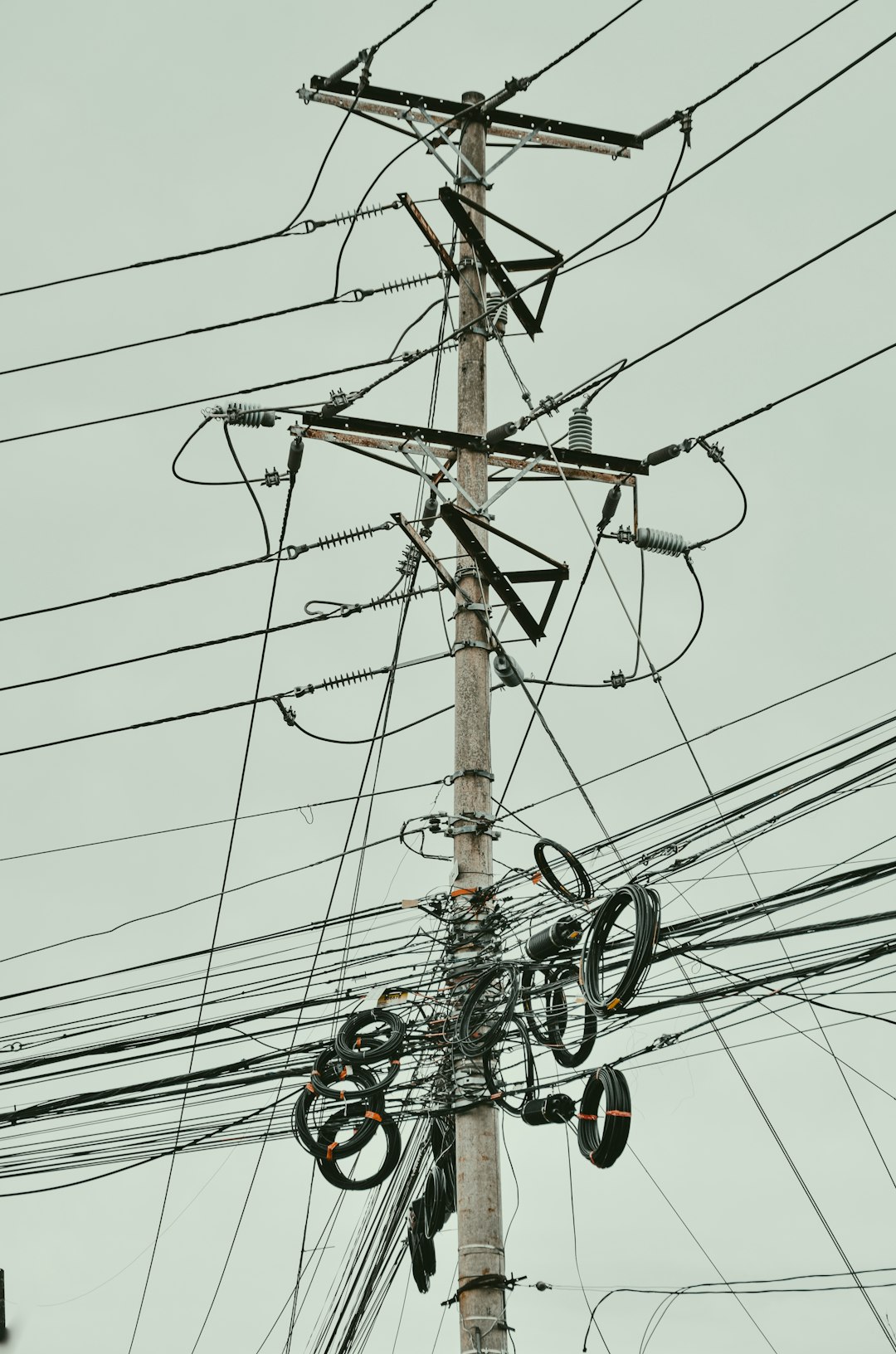
Canada’s new bail and sentencing reforms targeting copper theft became law on July 15, closing out what telecom and utility providers describe as one of the worst stretches on record for infrastructure theft — but the timing means the toughest reported year for copper crime so far won’t be covered by the new penalties at all.
The Bail and Sentencing Reform Act, known as Bill C-14, introduces tougher bail and sentencing provisions for repeat and organized offenders and establishes a new aggravating factor specifically for theft and mischief involving essential infrastructure — electrical systems, telecommunications networks and similar critical assets. The Electrical Safety Authority welcomed the change, citing the deadly risk copper theft poses to both the public and workers who encounter live or damaged electrical infrastructure.
Bell reported 993 copper thefts in the first half of 2026 alone — a 78 per cent increase year-over-year — and every one of those incidents predates Bill C-14’s July 15 effective date. That timing gap matters: the law’s tougher sentencing provisions apply only to offences committed after it came into force, meaning the surge that helped build political momentum for the bill isn’t itself subject to the penalties the bill created.
For utilities and telecoms, the practical toll goes beyond the cost of replacing stolen wire. Stolen copper pulled from power distribution systems, telecommunications networks, rail infrastructure and construction sites can trigger service outages, expensive emergency repairs, and safety hazards for both the public and repair crews — a large part of why infrastructure operators pushed for the sentencing change in the first place.
Largely missing from the coverage of C-14’s passage is a second, more targeted piece of legislation that hasn’t moved. Bill C-271 was aimed directly at the scrap-metal middlemen who provide copper thieves with a market to sell into — requiring stricter identification and record-keeping at scrap yards, the kind of measure that goes after the supply chain for stolen metal rather than the theft itself. That bill remains stalled with no scheduled path to a vote, even as C-14’s tougher sentencing rules for the thefts themselves are now in force.
That leaves Canada’s response to the copper theft surge split in an uneven way: harsher penalties now exist for anyone caught stealing copper going forward, but the scrap-yard side of the market — where stolen copper actually gets turned into cash — remains largely unregulated at the federal level. Whether C-14 alone meaningfully slows the theft rate, or whether it takes C-271 passing too to cut off the resale market, is likely to become clear in next year’s theft figures.
Follow Canada News Media
Get the day's top Canadian stories and our two daily 60-second news videos wherever you scroll.
X Threads Facebook Instagram LinkedIn TikTok YouTube Pinterest Reddit Substack Flipboard Newsletter RSS