


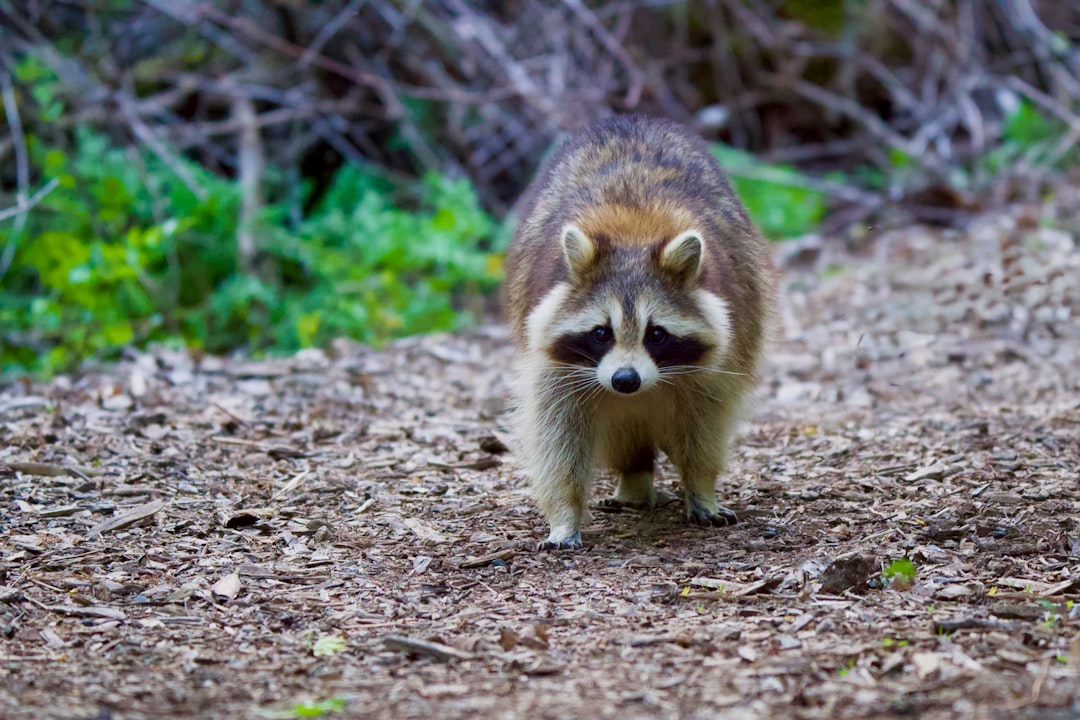
Quebec confirmed its first-ever case of raccoon rabies in a domestic cat in late July, in a stray animal in Godmanchester in the Montérégie region. Three people who came into contact with the cat received preventive rabies treatment. The case made headlines as a first — but the bigger story is the two-decade reversal it caps.
Quebec eliminated raccoon rabies from the province through an aggressive vaccination campaign between roughly 2009 and 2015, one of the more successful wildlife-disease control efforts in the country. The province stopped routine baiting and surveillance as the disease stayed absent for years. Then, in December 2024, the virus crossed back into Quebec from Vermont, carried by the natural movement of raccoons across the border.
The comeback has been fast. Quebec recorded 93 raccoon rabies cases in all of 2025. By early August 2026, the province had already logged 118 cases since January 1 — and as of the most recent count, that figure has climbed to 171 confirmed raccoon rabies cases, plus four bat rabies cases, in 2026 alone. The Godmanchester cat is the first known case of the resurgent strain crossing from wildlife into a companion animal.
Quebec’s Ministry of Environment, Climate Change, Wildlife and Parks responded on August 3 by announcing a fresh round of vaccine-bait distribution — more than 800,000 baits spread across the Eastern Townships, Montérégie and Centre-du-Québec regions, the same swath of the province where the disease re-established itself. The baits target raccoons, skunks and foxes, with particular attention to young raccoons born into the resurgence.
Provincial health officials have used the cat case to renew a basic but easily forgotten reminder: cats and dogs in affected regions should be current on rabies vaccination, and residents should avoid handling wildlife that appears sick, disoriented or unusually docile — all classic signs of rabies infection. A separate incident, in which a Quebec woman was bitten and scratched by a rabid cat, underscored how a case like this can move from wildlife into direct human exposure with little warning.
The scale of the reversal — from a disease considered eliminated to nearly double the prior year’s case count within a matter of months — illustrates how quickly a controlled wildlife disease can re-establish itself once cross-border animal movement reintroduces it, and why Quebec’s surveillance and bait programs, largely dormant for most of the past decade, are being rebuilt in real time rather than left as a standing precaution.
Follow Canada News Media
Get the day's top Canadian stories and our two daily 60-second news videos wherever you scroll.
X Threads Facebook Instagram LinkedIn TikTok YouTube Pinterest Reddit Substack Flipboard Newsletter RSS