

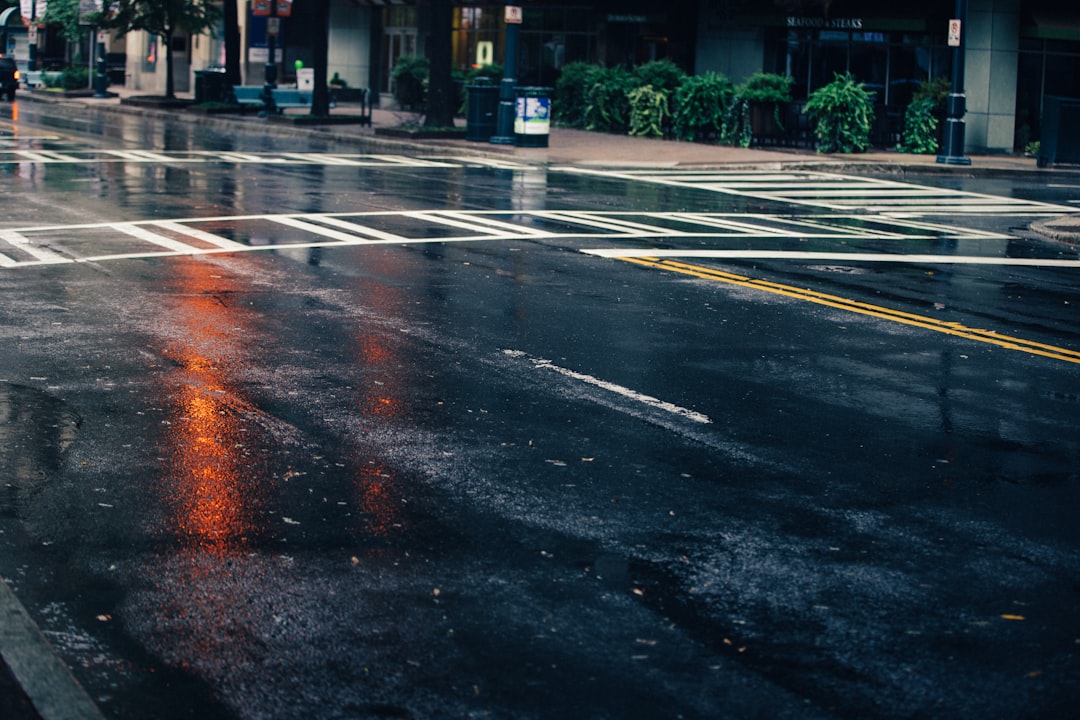
Cleanup crews were still clearing downed trees and pumping out basements across the Greater Toronto Area on Friday, two days after a severe thunderstorm dropped more than 100 millimetres of rain on parts of Toronto, flooded the Don Valley Parkway and generated just shy of 1,500 calls for service to Toronto Fire Services in a 24-hour period, according to CP24. Toronto Hydro said it had restored power to about 90 per cent of affected customers by Thursday night, with roughly 4,500 still in the dark. Rogers Stadium sustained what the city described as significant damage.
City officials called Wednesday’s weather a “100-year storm.” That phrase describes a rainfall intensity with a one per cent chance of happening in any given year. By CP24’s own count of recent major floods, the GTA has now had three of them since 2013. The label is describing an engineering benchmark, not how often Toronto actually floods.
The question most of this week’s coverage has not answered is the one homeowners and renters will face once the water recedes: who pays for the damage.
For a large share of the properties that took on water Wednesday, the answer is the property owner. Standard home insurance policies in Canada do not cover sewer backup or overland flooding. Both are sold as optional endorsements, and the Insurance Bureau of Canada advises consumers to contact their insurance representative to confirm whether they carry them. Overland water coverage is now offered by most insurers for most homes, but it is priced by risk, and in known flood plains and high-hazard areas it can be limited or unavailable outright.
Ottawa’s answer to that gap has not arrived. The federal government pledged $450 million over five years in April 2025 to stand up a national flood insurance program, with an April 2026 launch date. That deadline passed, and as of mid-June the Insurance Bureau of Canada said there was still no confirmed timeline. The program is aimed at roughly 1.5 million Canadian households in the highest-risk band, the ones least able to buy private coverage at any price. Until it exists, those households absorb the loss, pay out of pocket or wait on provincial disaster assistance after the fact.
What does exist right now is municipal, and it is under-reported. Toronto expanded its Basement Flooding Protection Subsidy Program on May 1, 2026, and now offers up to $6,650 per property, covering up to 80 per cent of the cost of protective devices. That breaks down to as much as $1,600 for each of up to two backwater valves, $2,250 for a sump pump, $300 for a battery backup and $500 for an initial home plumbing assessment, with a further allocation for storm sewer disconnection. It applies to single-family, duplex, triplex and fourplex homes, and it is claimed by application, not automatically.
The city’s parallel infrastructure program comes with a constraint worth knowing about. Council has adopted a threshold of $68,000 in cost per benefitting property. Projects that come in under that figure proceed to detailed design and construction. Projects that come in above it go onto a deferred list. In practice, that means the neighbourhoods where sewer upgrades are most expensive per household are the ones most likely to keep waiting, and their residents are the same people being told to buy an optional endorsement.
The scale is not abstract. Flash flooding in Toronto and southern Ontario on July 15 and 16, 2024, caused insured damage first estimated at $940 million and later revised to roughly $990 million by Catastrophe Indices and Quantification Inc. Nationally, insured losses from severe weather passed $8 billion for the first time in Canadian history in 2024. In 2025 they came in above $2.4 billion, which the insurance bureau ranked as the tenth costliest year on record. For comparison on the rainfall itself, the July 2013 storm dropped 126 millimetres in about 90 minutes, and an August 2024 storm delivered 128 millimetres at Toronto Pearson, the wettest single day the airport has recorded.
Two things are worth watching from here. The first is whether the insured loss total from Wednesday’s storm, which CatIQ will publish in the coming weeks, lands in the same range as 2024. The second is whether Ottawa sets a date. Renters should note the same rule applies to tenant policies: sewer backup and overland water are add-ons there too, and contents in a basement apartment are exactly what these storms destroy.
Reporting on the storm’s immediate aftermath via CP24. Additional figures from the Insurance Bureau of Canada, the City of Toronto and CBC News.
Follow Canada News Media
Get the day's top Canadian stories and our two daily 60-second news videos wherever you scroll.
X Threads Facebook Instagram LinkedIn TikTok YouTube Pinterest Reddit Substack Flipboard Newsletter RSS