


Canada and the United States are racing to strike a trade deal before a threatened 50-per-cent U.S. tariff on roughly US$20 billion of Canadian goods takes effect at 12:01 a.m. Wednesday. Prime Minister Mark Carney called the last-minute negotiations “delicate” and “intense” as Trade Minister Dominic LeBlanc and chief negotiator Janice Charette met their American counterparts in Washington this week, with talks centred on autos, dairy and provincial alcohol bans.
But the negotiating chip Carney has leaned on hardest is aluminum, and the sector’s actual performance over the past year tells a more complicated story than the political framing suggests.
The Leverage Play: What Carney Is Citing
Carney’s argument to Washington is essentially a pain-transfer case: U.S. aluminum producer prices rose roughly 52 per cent between June 2025 and June 2026, a spike he attributes largely to the pass-through cost of Washington’s own 50-per-cent tariff on imported aluminum. The math matters because Canada supplies about 44 per cent of U.S. aluminum imports. The U.S. simply does not produce enough primary aluminum domestically to replace that volume. Carney’s bet is that American manufacturers feeling that price pain will push the White House toward relief before Wednesday’s deadline, rather than after it.
It’s a credible argument on paper. What’s less examined is how the Canadian side of that trade is actually holding up.
The Ground Truth in Quebec’s Aluminum Belt
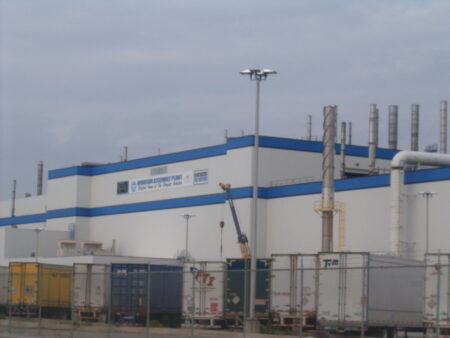
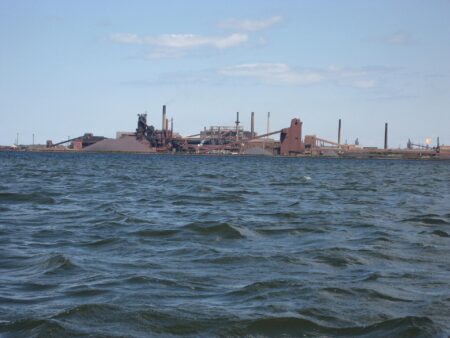
Quebec is home to the bulk of Canada’s aluminum production, with more than 1,700 aluminum-related businesses supporting an estimated 30,000 jobs, concentrated heavily in the Saguenay-Lac-Saint-Jean region. The Aluminum Association of Canada reports smelters are running at about 95 per cent capacity with “no slowdown, no layoffs,” a notably resilient picture given the tariff environment.
The underlying numbers are more mixed than that headline suggests, though. Quebec’s metallurgical export volumes fell 36 per cent between February 2025 and February 2026, and industry-wide employment dipped 3.6 per cent over 2025, concentrated in smelter jobs specifically, even as employment across the broader aluminum sector rose 5 per cent, likely reflecting growth in downstream processing rather than primary smelting. Ottawa has also been quietly propping up the sector: by May 2026, 27 organizations tied to aluminum had received more than $20.2 million through federal tariff-response programs, part of a wider $500-million Regional Tariff Response Initiative and $1-billion financing envelope, including close to $7 million earmarked specifically for Saguenay-Lac-Saint-Jean small and medium-sized businesses.
In other words, the sector isn’t collapsing, but it isn’t simply thriving either. It’s being kept stable partly by government support while absorbing real losses in export volume and smelter employment, a nuance that gets lost when the story is reduced to “resilient” versus “struggling.”
What Happens If the Deadline Passes Anyway
The open question the negotiation coverage hasn’t answered is what a missed deadline does to that fragile stability. Federal officials have said they’re planning for all outcomes, including what Canada’s retaliatory response would look like if the 50-per-cent tariff on $20 billion in goods takes effect Wednesday as scheduled. Given that Quebec’s aluminum employment has already softened even under the current tariff regime, before any escalation, a further hit to smelter volumes would land on a workforce and regional economy that federal support programs are already working to cushion.
Carney is due to speak with U.S. President Donald Trump before the deadline. Whether that call produces a deal or simply another delay, the aluminum data suggests Canada’s negotiating leverage is real, but so is the cost the industry has already quietly absorbed to get here.
Via CBC News, “Carney says last-minute U.S. tariff negotiations are ‘delicate’ and ‘intense’ as deadline looms.” Sourcing: negotiation facts corroborated via The Globe and Mail. Aluminum and employment data corroborated via BNN Bloomberg/Canadian Press and canada.ca funding announcements.
Follow Canada News Media
Get the day's top Canadian stories and our two daily 60-second news videos wherever you scroll.
X Threads Facebook Instagram LinkedIn TikTok YouTube Pinterest Reddit Substack Flipboard Newsletter RSS