

On Sept. 6, 1775, about 100 Mohawk and allied Indigenous fighters ambushed an American invasion force in the marshes of the Richelieu River near what is now Saint-Jean-sur-Richelieu, Que., and forced it to retreat, inflicting one of the first defeats on a campaign meant to bring Canada into the American Revolution.
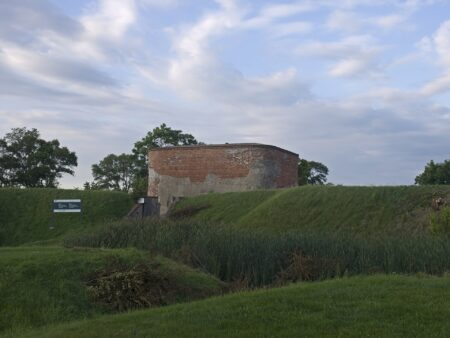
The federal government designated the engagement a national historic site in 1928, under the plain name the Battle of September 6th, 1775. Parks Canada’s Directory of Federal Heritage Designations places the site in the town of Saint-Jean-sur-Richelieu and credits the outcome to Mohawk fighters under Capt. Gilbert Tice and other Indigenous fighters under Capt. Guillaume de Lorimier, who surprised the Americans on the south bank of the river and compelled them to re-embark for Ile aux Noix.
The attack came at the opening of the American invasion of Quebec, the Continental Congress’s attempt to seize the province from Britain and, its planners hoped, to recruit French-speaking Canadians to the revolutionary cause. Command was divided between Maj.-Gen. Philip Schuyler and Brig.-Gen. Richard Montgomery, with a second column under Col. Benedict Arnold marching separately through what is now Maine. Schuyler’s force of roughly 1,500 men reached Ile aux Noix, an undefended island in the Richelieu north of Lake Champlain, on Sept. 4, 1775, a short distance upriver from the British post at Fort Saint-Jean.
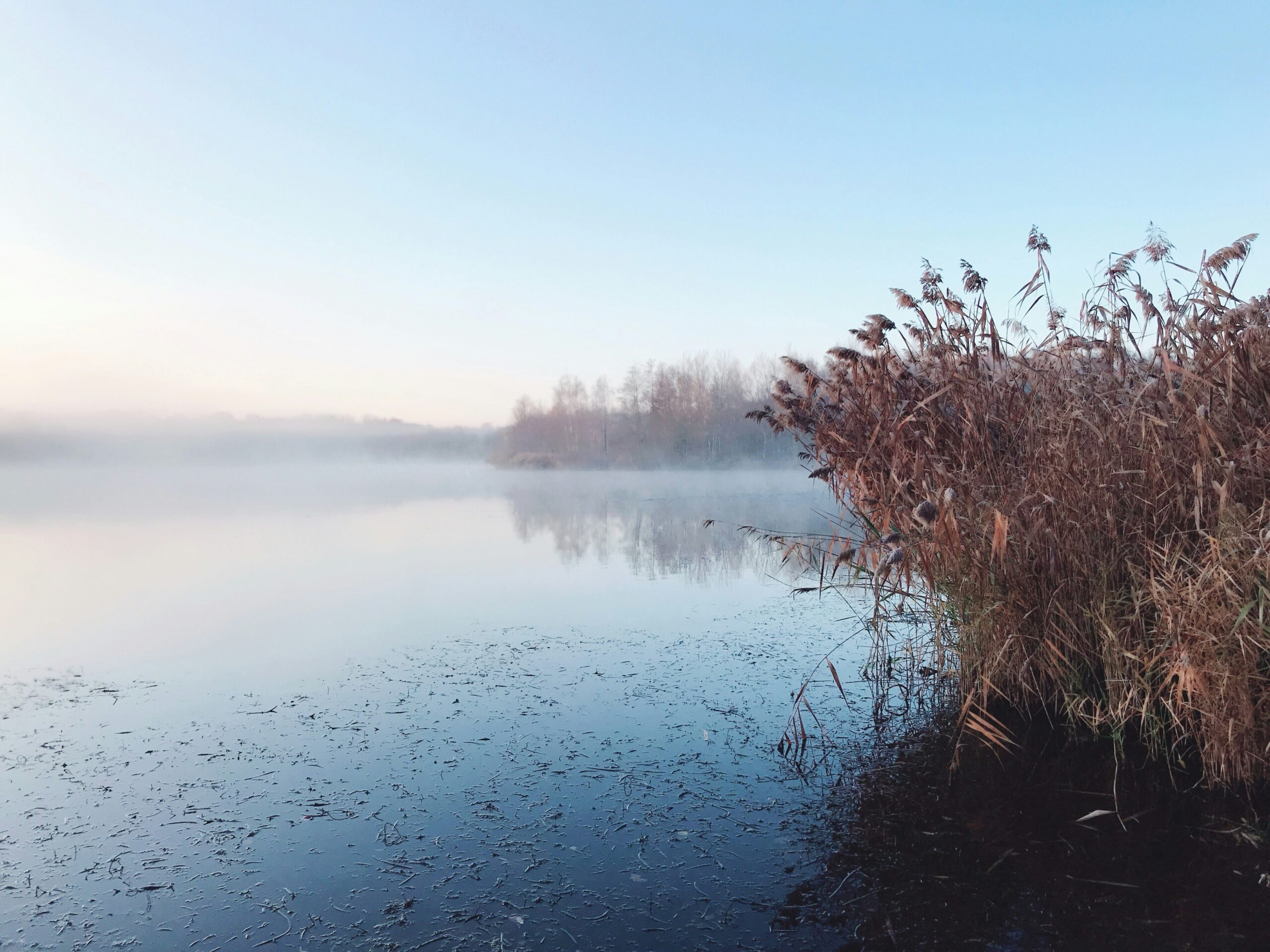
Two days later the Americans probed toward the fort. Schuyler stayed with the boats while Montgomery led a detachment ashore and into low, swampy ground short of the British works. Parks Canada puts the landing about 1.6 kilometres from Fort Saint-Jean. There the column ran into a waiting Indigenous patrol.
Accounts put that party at about 100 fighters, many of them Mohawk. Parks Canada names Grand Chief Solsienhoouane as a leader alongside captains Tice and de Lorimier, though the chief’s name is rendered slightly differently across sources and appears elsewhere as Solsienhooane. The warriors were fighting alongside the British garrison, but they were also defending the approaches to their own territory along the Richelieu corridor, the water route that had carried armies between the Hudson and the St. Lawrence for more than a century.
The skirmish ran along the south side of a creek and did not last long. Tallies cited in accounts of the Fort Saint-Jean campaign put American losses at eight killed and nine wounded, against four killed and five wounded among the Indigenous fighters. Tice was among the wounded.
Montgomery’s men, most of them inexperienced militia, fell back to the boats and threw up a breastwork. The fort’s gunners found the position and opened fire, pushing the Americans roughly a kilometre further upriver, where they built a second breastwork and camped for the night. Parks Canada records that the force was turned back to Ile aux Noix.
Sources disagree on how quickly the Americans returned. Parks Canada dates the start of the siege of Fort Saint-Jean to Sept. 13, while several campaign histories give Sept. 17. What is not in dispute is the outcome. The garrison held out for roughly 45 days before capitulating on Nov. 3, 1775.
That delay mattered more than the casualty figures suggest. Montgomery did not reach Quebec City until December, by which point winter had set in and the enlistments of many of his soldiers were running out. The American assault on Quebec on Dec. 31, 1775, failed, Montgomery was killed, and the invasion collapsed the following spring.
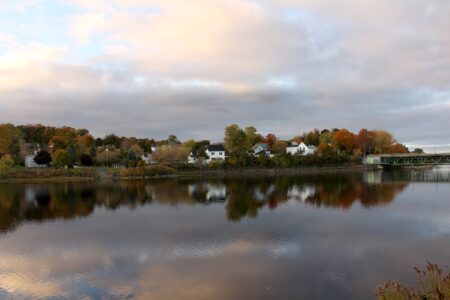
The Sept. 6 skirmish is barely a footnote in most American histories of the revolution, which tend to move quickly from Fort Ticonderoga to the walls of Quebec. It is remembered on the Canadian side largely because it was a rare early success, and because that success belonged to Indigenous fighters rather than to British regulars. The designated site sits in Saint-Jean-sur-Richelieu, about 40 kilometres southeast of Montreal.
Sources: Parks Canada Directory of Federal Heritage Designations, Battle of September 6th, 1775 National Historic Site of Canada; HistoricPlaces.ca; published accounts of the Siege of Fort St. Jean and the 1775 invasion of Quebec.
Follow Canada News Media
Get the day's top Canadian stories and our two daily 60-second news videos wherever you scroll.
X Threads Facebook Instagram LinkedIn TikTok YouTube Pinterest Reddit Substack Flipboard Newsletter RSS