


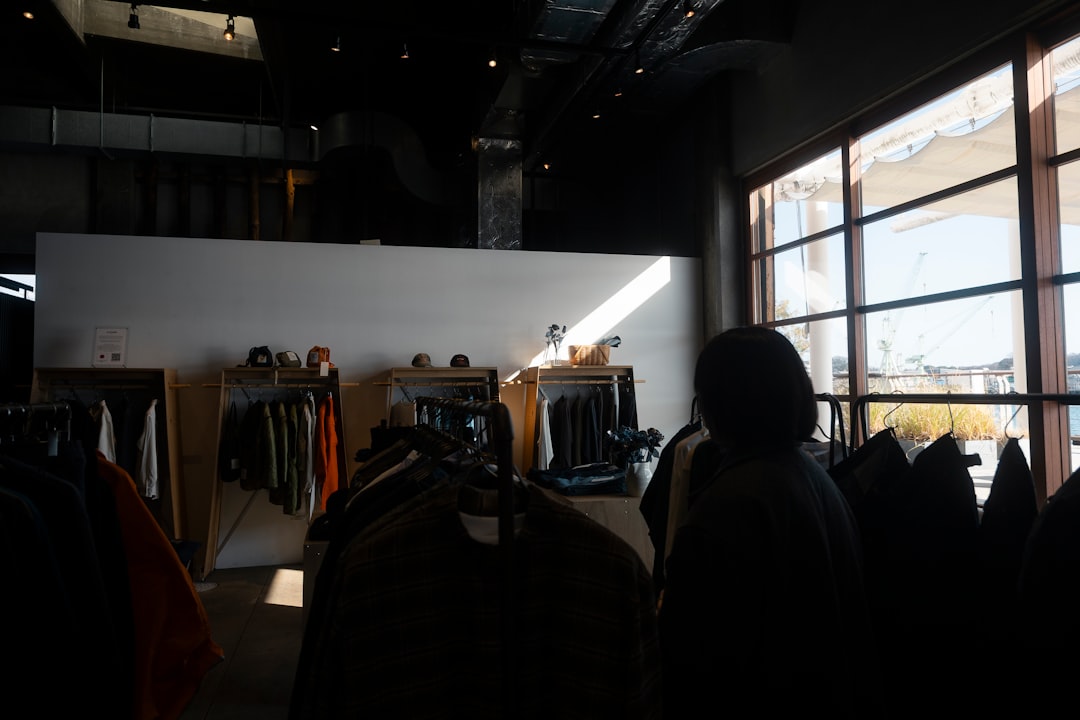
Clothing, apparel and furniture imported from the United States will carry a 50 per cent Canadian counter-tariff starting Tuesday, the first time those consumer categories have sat at the top rate in this trade conflict, according to the Department of Finance Canada.
The measures take effect Sept. 8 and cover roughly $27.6 billion in U.S. imports at rates of 15, 25 and 50 per cent, with each rate matching the American tariff on the corresponding good. Finance Minister François-Philippe Champagne announced the package Aug. 25, after Ottawa suspended trade negotiations with Washington, saying Canada would respond “dollar for dollar, rate for rate” to a U.S. decision to impose 50 per cent tariffs on $27.6 billion of Canadian goods effective Aug. 22. About 700 American products are covered.
Most of the coverage so far has asked whether Canadians should rush out and buy before Tuesday. The more useful question is who ends up absorbing the cost, and the answer looks different this round than it did last year.
When Canada retaliated with 25 per cent counter-tariffs in 2025, the pass-through to shoppers was smaller than many expected. A Bank of Canada study published in May found that tariffed items rose about six per cent in price relative to untariffed goods and added roughly 0.3 percentage points to consumer price inflation. Colin Mang, an economist at McMaster University, told CTVNews.ca that retailers absorbed most of the cost because they could not raise prices while competitors selling non-American goods held theirs steady.
That cushion is thinner at 50 per cent. Doubling the surtax leaves far less margin for a retailer to swallow, and the categories moving to the top rate matter. Finance Canada’s own summary lists furniture and clothing and apparel among the goods newly subject to 50 per cent, alongside steel and aluminum products that previously sat at 25 per cent. Appliances, dairy products such as cheese, and certain steel and aluminum derivatives fall in the 25 per cent band.
Statistics Canada data released Sept. 4 shows why that mix is worth watching. Average hourly wages rose 2.0 per cent year over year in August to $37.02, the slowest pace since November 2017 outside the pandemic year of 2021. The slowdown was not spread evenly. Employees in the bottom 25 per cent of the wage distribution saw pay rise 1.1 per cent to $18.66 an hour, and the second-lowest quartile rose 1.3 per cent to $26.61. The top quartile rose 2.1 per cent, to $65.15.
Clothing and household furnishings account for a larger share of a lower-income household’s budget than a higher-income one. A 50 per cent surtax on those categories therefore lands hardest on the workers whose pay is growing slowest. Ottawa has not published a distributional analysis of the Sept. 8 list, and neither the Aug. 25 news release nor the accompanying product list addresses household incidence.
The government’s stated defence is that it selected products for which Canadian or international substitutes exist, limiting how much of the cost reaches shoppers. That argument is easier to make for cheese than for furniture and apparel, where Canada’s domestic manufacturing base is comparatively small and most substitution would come from other importing countries rather than from Canadian producers. Finance Canada has not named the alternative suppliers it expects shoppers to turn to, and that gap is the single clearest thing to press the department on this week.
Ottawa paired the counter-tariffs with a $7.5 billion support package. It includes $3.5 billion in Rapid Response Supports for Workers and Employers, $2 billion through a new Canada Strong Diversification Fund, $1.5 billion more through the Regional Tariff Response Initiative, and a $500 million liquidity stream at the Business Development Bank of Canada. Every one of those streams is directed at businesses or at workers who lose hours or jobs. None of them offsets a higher price at the till for a household that keeps its job and simply needs a winter coat or a bed frame.
Canada’s tariff remission framework also remains open for exceptional relief requests, which gives importers a route the average shopper does not have.
The August labour figures gave the backdrop. Employment fell by 42,000, the unemployment rate held at 6.4 per cent, and youth unemployment edged up to 12.9 per cent. The counter-tariffs are a negotiating instrument aimed at Washington. The bill for them arrives in Canadian stores on Tuesday.
via BNN Bloomberg, with primary documents from the Department of Finance Canada and the Statistics Canada Labour Force Survey, August 2026.
Follow Canada News Media
Get the day's top Canadian stories and our two daily 60-second news videos wherever you scroll.
X Threads Facebook Instagram LinkedIn TikTok YouTube Pinterest Reddit Substack Flipboard Newsletter RSS