

British Columbia has no active measles cases as students return to class, the province’s health officer says, but a genetically distinct strain of the virus that surfaced in the northeast over the summer means the school year is starting with a fresh introduction on the books rather than the tail end of last year’s outbreak.
Provincial health officer Dr. Bonnie Henry said the B.C. Centre for Disease Control sequenced a new strain after a cluster of 11 cases was reported in the province’s northeast in July and August. “It is a different virus than the one we had been seeing in the months previous,” Henry said, according to CBC News. “That meant there was a new introduction and it was able to spread because there were people who weren’t protected in those communities in the north.”
That distinction between one virus and another is doing more work than it appears to, because Canada’s measles elimination status is tracked by strain, not by case count.
When the Pan American Health Organization notified the Public Health Agency of Canada on Nov. 10, 2025, that the country had lost the designation, its regional monitoring commission based the finding on “sustained transmission of the same measles virus strain in Canada for a period of more than one year,” according to PHAC’s statement at the time. The path back is written the same way. “Canada can re-establish its measles elimination status once transmission of the measles strain associated with the current outbreak is interrupted for at least 12 months,” the agency said.
Read against that wording, a genetically distinct introduction in northeast B.C. is not automatically a continuation of the outbreak that cost Canada the designation. Northern Health went as many as 13 weeks without a new case heading into the summer, which matters more to that ledger than the raw provincial total does. But the same logic cuts the other way. A new strain that keeps moving for a year becomes sustained transmission in its own right, and the northeast has already demonstrated that the virus can find a foothold there.
What is not on the public record is a date. Neither PHAC nor PAHO appears to have published the day it considers transmission of the original outbreak strain interrupted, which means the widely repeated timelines putting restoration in late 2027 are inference rather than a published figure. Until that date exists, no one can say when Canada gets its status back, only what has to stop happening first.
The provincial numbers give some sense of where that will be decided. There have been 489 reported measles cases in B.C. since the start of 2025, Henry told a news conference in Vancouver on Aug. 27. Of those, 364 were in the Northern Health region and 333 in the northeast corner of the province alone, according to BCCDC data current to Aug. 13. Fraser Health recorded 59 cases, the Interior 19, Vancouver Coastal 12 and the Island five. Fifty-two people reported being sick with measles in 2026, and 30 of them, “mostly children who have not been vaccinated,” were hospitalized. All have recovered. B.C. has recorded no measles deaths, though Henry noted there have been at least five in the United States since last year.
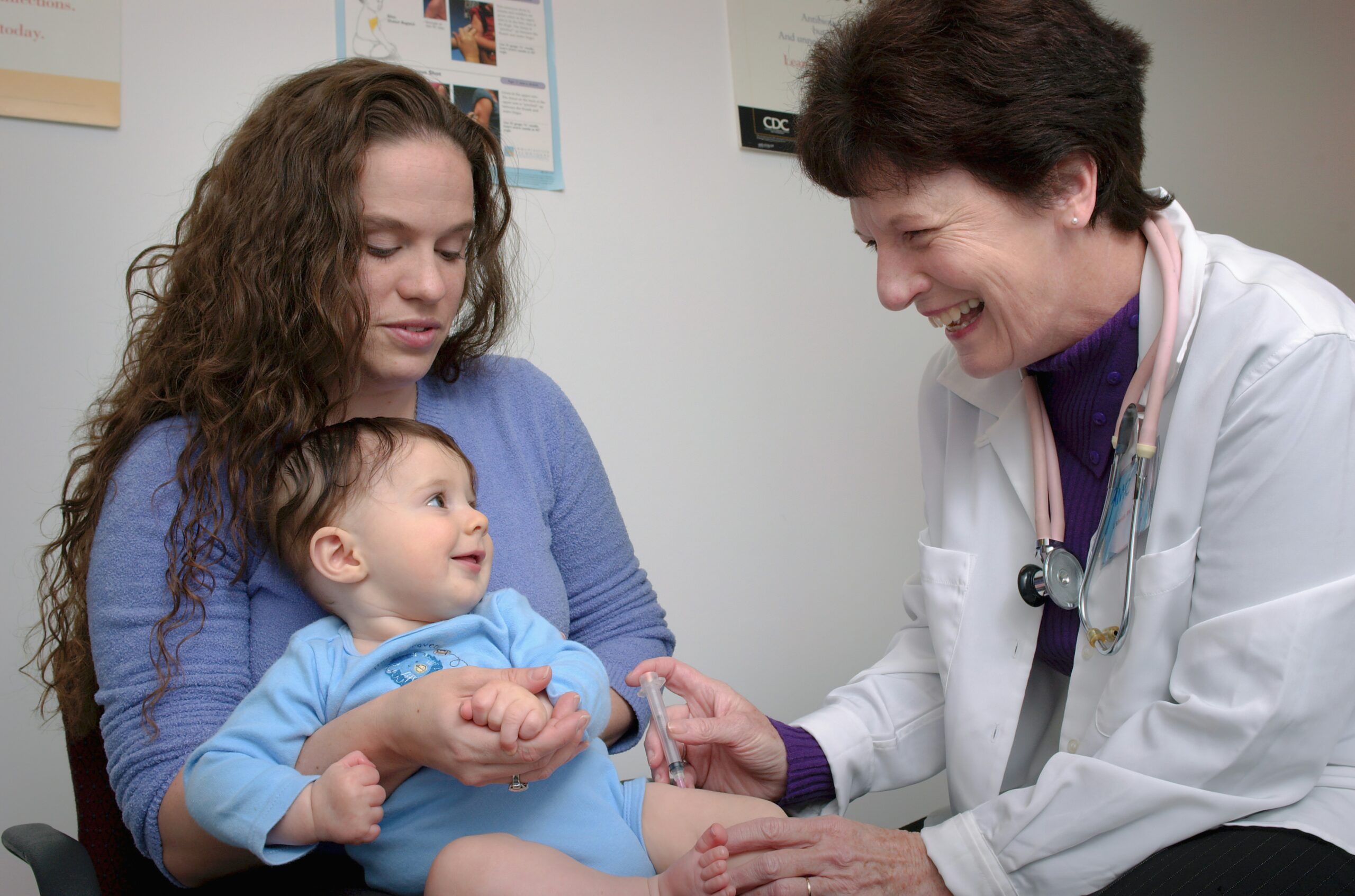
The hospitalization pattern points at a group that cannot act on any of this advice. B.C.’s immunization schedule gives the first MMR dose at 12 months, so infants younger than that are protected only by the vaccination status of everyone around them. CBC News reported in December that more than a third of the 20 measles hospitalizations recorded across northern B.C. at that point involved babies under one year old.
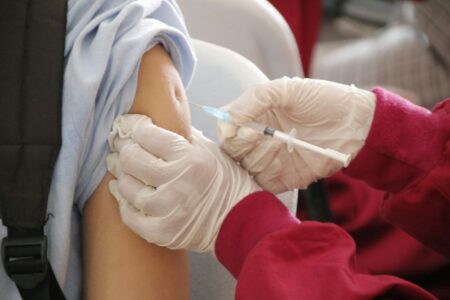
For families, the actionable item is the second MMR dose, due at age six, along with the Grade 6 HPV vaccine and the Grade 9 boosters for tetanus, diphtheria, pertussis and meningitis. Henry urged parents to take vaccine information from a health-care provider, pharmacist or local public health unit rather than from social media.
via CBC News. Provincial figures and quotes from Dr. Bonnie Henry’s Aug. 27 news conference via Black Press Media. Elimination status language from the Public Health Agency of Canada.
Follow Canada News Media
Get the day's top Canadian stories and our two daily 60-second news videos wherever you scroll.
X Threads Facebook Instagram LinkedIn TikTok YouTube Pinterest Reddit Substack Flipboard Newsletter RSS