


The most reliable way to keep mice out of a Canadian home this fall is to seal every exterior opening larger than a dime, then strip away the food, water and nesting material that draw rodents to the building in the first place. Traps come second, and Health Canada is explicit that baits or poisons should never be used as the only method of control.
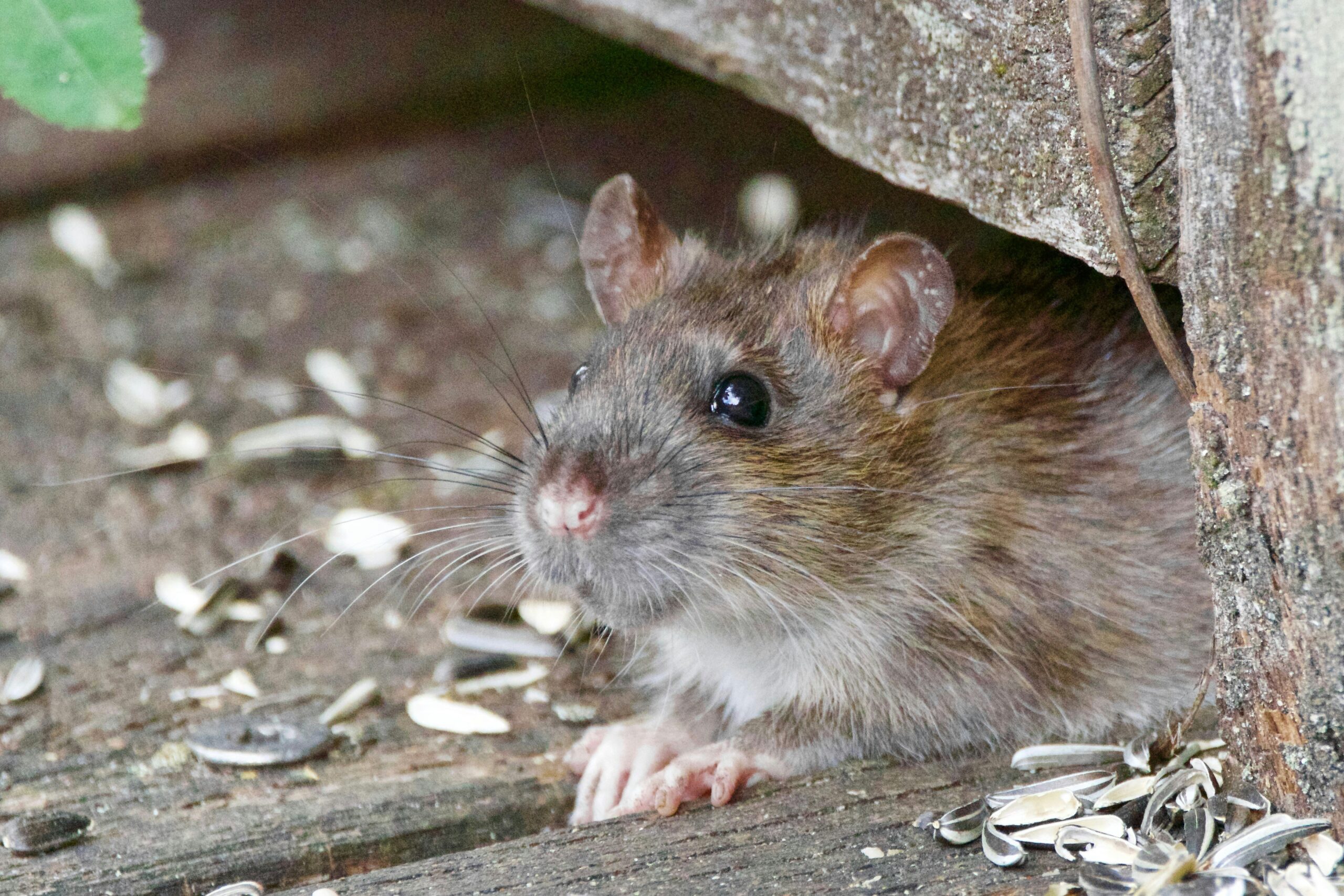
September and October are when this work pays off, because that is when the weather turns and mice start looking for somewhere warm. Health Canada notes that the deer mouse, which is brown or grey with a white belly and feet and a white underside to its tail, may invade buildings near fields and woodlands specifically in the fall. The house mouse, the light-brown to dark-grey one with large ears more common in cities, is a year-round problem that simply gets worse as outdoor food disappears. Either way, the first scratching sound in a wall in November is usually the result of a gap that was open all summer.
This is not the same job as sealing your home for drafts, even though the two overlap. Draft-proofing chases air movement, and foam or caulk alone is enough for that. Rodent-proofing chases a live animal that chews, so the material matters more than the seal does: mice will gnaw straight back through expanding foam and soft caulk, which is why Health Canada’s guidance pairs those products with metal. It also matters because the health stakes are different. The deer mouse is the most common carrier of hantavirus in Canada, a rare but serious lung infection that people contract by breathing in particles from dried rodent urine, droppings or saliva. Alberta has confirmed 81 cases and 15 deaths since reporting began in 1989, including one confirmed death in 2026. That is why the cleanup steps below are not optional extras.
One boundary before you start. Everything described here is ground-level work you can safely do yourself. Sealing gaps at the roofline, screening attic vents or soffits, and anything else that puts you on a ladder is work at height, and it belongs to a licensed contractor or pest control professional. The same goes for any suspicion that rodents have reached your heating and cooling ducts. The Canadian Centre for Occupational Health and Safety advises contacting a professional rodent exterminating service or a qualified ventilation professional in that case, because disturbing a contaminated duct system pushes airborne particles through the whole house.
How to mouse-proof your home, step by step
1. Confirm you are dealing with mice, and how many
Health Canada lists the signs: scampering and scratching in the walls at night, gnaw marks, damaged food packaging, droppings and urine, burrows or holes around foundation walls, and tracks across dusty surfaces. Knowing which rodent you have changes the response, because a rat trap is too large to kill a mouse. Mice and rats breed quickly, so Health Canada advises tackling occasional invaders immediately rather than waiting to see whether the problem grows.
2. Walk your foundation looking for openings the size of a dime
That is the working number. Health Canada states that mice can squeeze through cracks as small as a dime, while rats need a hole roughly the size of a quarter. Carry a dime and use it. Go slowly around the full perimeter at ground level, checking foundation cracks, the points where pipes, hose bibs, cables and gas lines pass through the wall, gaps around basement windows, and the seams where a deck or porch meets the house. Mark each one as you find it so you are not hunting twice.
3. Pack the gaps with metal before you caulk
Health Canada’s instruction is to stuff steel wool around pipes before caulking or plastering. The metal is what stops the chewing; the caulk holds it in place and seals the remaining air gap. Pack it tightly, because loosely stuffed wool gets pulled out. One practical caveat for Canadian exteriors: ordinary steel wool rusts, and as it corrodes it shrinks and eventually crumbles out of the opening. Copper mesh does not rust and stays springy, so it is the better choice anywhere exposed to freeze and thaw cycles or moisture. Patch cracks in foundations properly rather than filling them with sealant alone.
4. Fix the thresholds under your exterior doors
Health Canada singles this out, noting that even the small gaps created by worn thresholds under doors will let mice in. The fix is metal weather stripping under doors, plus weather stripping on windows. Check every exterior door, including the one from the garage into the house and the garage door itself, which is often the worst offender because the rubber seal at the bottom flattens and cracks with age.
5. Screen the vents you can reach from the ground
Health Canada recommends covering dryer vents, attic vents and soffits with fine mesh metal screening. A dryer vent is usually within easy reach and is worth doing yourself, taking care that the screen does not restrict the airflow or trap lint, which is a fire risk. Attic vents and soffits sit at the roofline. Leave those to a contractor rather than working off a ladder.
6. Make the outside of your house less attractive
Cut tall grass and weeds back from the house, and trim shrubs so they are not touching the walls. Secure garbage in containers with tight-fitting lids. Raise woodpiles about 30 centimetres off the ground and place them away from the house. If you compost, never put fatty or oily food waste, eggs or milk products in the composter, and use a layer of heavy metal mesh between the soil and the bottom of the bin. Remove the clutter around the house and garage that makes a comfortable nest.
7. Cut off the water and the food indoors
Eliminate water sources, including leaky taps, sweating pipes and open drains. Keep the kitchen clean, and store dry food and dry pet food in metal or glass containers rather than cardboard or thin plastic. Put pet food and water away overnight instead of leaving a bowl down. Vacuum and sweep regularly so crumbs are not doing the advertising for you.
8. Set traps properly if mice are already inside
Snap traps and electronic traps are easy to use and very effective when positioned and set correctly, and they generally kill instantly. Health Canada’s general guidance: set most uncovered traps at right angles to the wall with the baited end closest to the wall, while covered snap traps and electronic traps go with the entrance parallel and flush against the wall. Use one trap per metre along walls, or five to ten traps per visible mouse hole. Allow a warm-up period of three to four days where you bait the traps but do not set them, so the mice get comfortable taking the bait. Use strong-smelling sticky baits such as peanut butter, bacon grease mixed with oats, raisins or gumdrops. Reuse traps rather than replacing them, since used traps are more attractive to rodents, and move them if the bait stops disappearing. Reset in two to three weeks to catch maturing mice. Check every trap daily, and always follow the manufacturer’s directions for the specific trap you bought.
9. Treat poison as a last resort, not a first move
Health Canada is direct on this point: baits or poisons should not be used as the only method to control rats and mice, and rodent-proofing plus good sanitation are required to get satisfactory control. If you do use a poisoned bait, it must go in a tamper-proof bait station anywhere children or pets can reach. Anticoagulant rodenticides, sold to the public as solid paraffin blocks, are usually highly toxic. Check the label for a Pest Control Products (PCP) number, which confirms Health Canada has approved the product, and follow the label directions exactly. Ultrasonic devices are not a standalone answer either, since rodents may adapt to them and return.
10. Clean up droppings without raising dust
This is the step people get wrong. Never sweep or vacuum dry droppings, nests or dead mice, because the dust that is raised can carry hantavirus. Alberta Health’s procedure: open doors and windows to ventilate and stay out of the area for at least 30 minutes before you start, wear rubber gloves, then thoroughly soak the droppings, nests or dead mice with a solution of one part household bleach to nine parts water, or a household disinfectant. Let it sit for five minutes (CCOHS advises around 10 minutes) before touching anything. Mop up the soaked material or pick it up with paper towels, place it in a plastic bag, seal the bag and put it in a garbage container with a tight-fitting lid. Wash your gloves before removing them, then wash your hands. Health Canada adds a dust mask to the gloves, and CCOHS recommends a fit-tested disposable N95 respirator along with disposable gloves and rubber boots or shoe covers. Wash exposed clothing separately from other laundry.
11. Know when to stop and call someone
Alberta Health advises contacting Health Link at 811 before dealing with a significant mouse infestation, or any infestation in an enclosed space with poor ventilation, to discuss the precautions you need. A large or long-standing infestation, evidence of rodents in the ductwork, or anything requiring work above ground level is a job for a licensed pest control professional. Hantavirus symptoms usually appear one to two weeks after exposure but can take up to five weeks, and they start out looking like the flu: fever, chills, muscle aches and stomach upset, sometimes progressing to severe breathing difficulty. Anyone who has been in a rodent-contaminated area and develops those symptoms should seek medical care promptly.
The short version
Exclusion does the heavy lifting. A dime-sized gap sealed in September is worth more than a dozen traps set in January, and the metal-first approach is what keeps the repair from being chewed open again by spring. Do the perimeter walk, do the thresholds, clear the food and shelter, and keep traps and bait in their proper place as the follow-up rather than the plan. Then handle any droppings you find as the health hazard they are, which means wet, bagged and never swept.
Sources: Health Canada, Rats and mice; Government of Alberta, Reducing the risk of hantavirus; Canadian Centre for Occupational Health and Safety, Hantavirus.
Follow Canada News Media
Get the day's top Canadian stories and our two daily 60-second news videos wherever you scroll.
X Threads Facebook Instagram LinkedIn TikTok YouTube Pinterest Reddit Substack Flipboard Newsletter RSS