



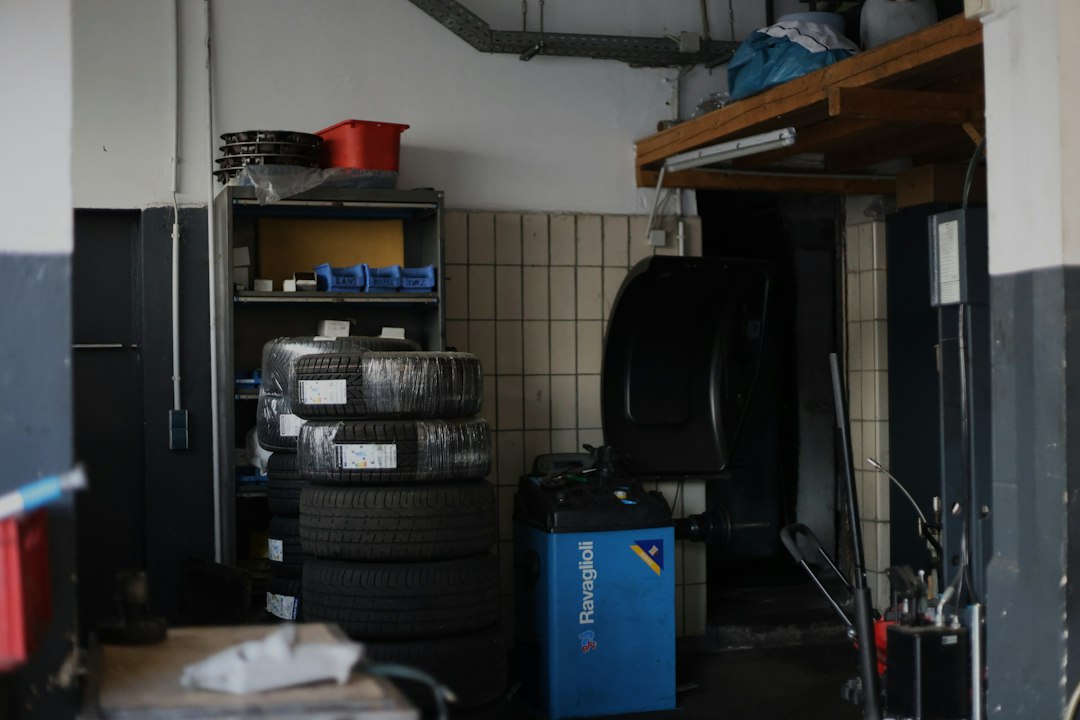
Summer tires should be washed, dried and stored indoors in a cool, dark, clean spot, stacked flat if they are on rims and standing upright if they are not. Doing it right keeps the rubber from cracking or flattening over the winter months.
With winter tires going on across much of the country, many drivers now have a set of summer or all-season tires to put away until spring. Michelin Canada says tires stored in ideal conditions can last several years without meaningful degradation, while those left in sunlight or heat can crack and degrade in as little as one season. Provincial rules on winter tires are covered in our guide to winter driving rules by province.
The steps below draw on advice from Michelin Canada and CAA North and East Ontario. Neither source gives a set storage temperature or humidity figure, so the advice is simply to keep tires cool, dry and out of the light.
Step 1: Note each tire’s position and inspect it
Before the tires come off the vehicle, note where each one sat so it can be rotated correctly next season. Michelin Canada says this helps the tires wear evenly. Check each tire for damage or uneven wear while it is still in your hands. Our guide on how to check tire tread and pressure explains what to look for.
Have a shop swap the tires if you are not comfortable lifting the vehicle yourself.
Step 2: Wash the tires
Wash each tire with soap and water to remove dirt and brake dust. Both Michelin Canada and CAA advise against harsh chemicals. Pick any stones or debris out of the grooves of the tread.
Step 3: Dry them completely
Let the tires dry thoroughly before they go anywhere. Michelin Canada says drying prevents corrosion, and CAA says moisture trapped against the rubber can lead to mould and weakened tires.
Step 4: Choose a cool, dark, indoor spot
Michelin Canada recommends storing tires indoors in a cool, dark, dry location away from sunlight, heat sources and ozone generators such as electric motors. A basement can work. CAA says garages with humidity and temperature swings are not ideal, and a space with stable temperatures and low humidity is best. Make sure the surface is free of grease, gasoline, solvents and oils.
Sunlight is a particular problem. Michelin Canada says tires left outdoors for a month or more can develop dry surfaces and surface cracks. If outdoor storage is your only option, it should be short term. Michelin Canada says to raise the tires off the ground and use a waterproof cover with holes so moisture can escape.
Step 5: Get the tires off the floor
Keep tires off bare concrete, which Michelin Canada says can draw moisture. Use a tire rack, a wooden pallet or a storage bag. CAA also recommends a rack or pallet.
Step 6: Stack or stand them the right way
How you position the tires depends on whether they are still on rims. Michelin Canada says mounted tires should be stacked horizontally, or hung, and should not be stored standing upright. CAA recommends small, neat piles to avoid deformation, and says to rotate the position of stacked tires from time to time so pressure does not build up on one side.
Tires without rims should be stored upright, side by side, Michelin Canada says. Do not stack or hang them. CAA says upright storage reduces stress on the sidewalls.
If your tires have white lettering or whitewalls, Michelin Canada says to store them with the white faces toward each other so black rubber does not stain them.
Step 7: Cover them if you choose to
The two sources differ here. CAA suggests putting completely dry tires in airtight or vacuum-sealed storage bags to keep moisture out. Michelin Canada’s covering advice applies to outdoor storage, where it calls for a ventilated waterproof cover. If you bag tires indoors, make sure they are fully dry first.
Step 8: Check them before putting them back on
When spring arrives, check the stored tires for cracking, stiffness and sidewall damage before they are mounted. Michelin Canada says tires older than six years should be professionally inspected before use, and those older than 10 years should be replaced.
While you are getting the car ready for the season, our guide to building a winter car emergency kit is a good companion.
Sources: Michelin Canada, “Storing my tires”; CAA North and East Ontario, “How to store tires to extend their lifespan.”
If you find reporting like this useful, consider supporting Canada News Media, an independent Canadian newsroom with no corporate parent.
Follow Canada News Media
Get the day's top Canadian stories and our two daily 60-second news videos wherever you scroll.
X Threads Facebook Instagram LinkedIn TikTok YouTube Pinterest Reddit Substack Flipboard Newsletter RSS