


The safest way to deal with a small, easy-to-reach wasp nest yourself is to spray it after dark with a soap-and-water solution, then bag, seal, and dispose of it once the wasps are no longer active. If the nest is large, built into a wall or roofline, or sits anywhere you’d need a ladder to reach, the right call is to hire a licensed pest control professional rather than attempt removal on your own.
Why This Matters Right Now
Wasp colonies across Canada hit their peak size in August, with nests holding anywhere from a few hundred to several thousand workers by late summer, according to Poulin’s Pest Control. As natural food sources shrink heading into fall, wasps become more aggressive and more likely to show up around patios, garbage bins, and open windows.
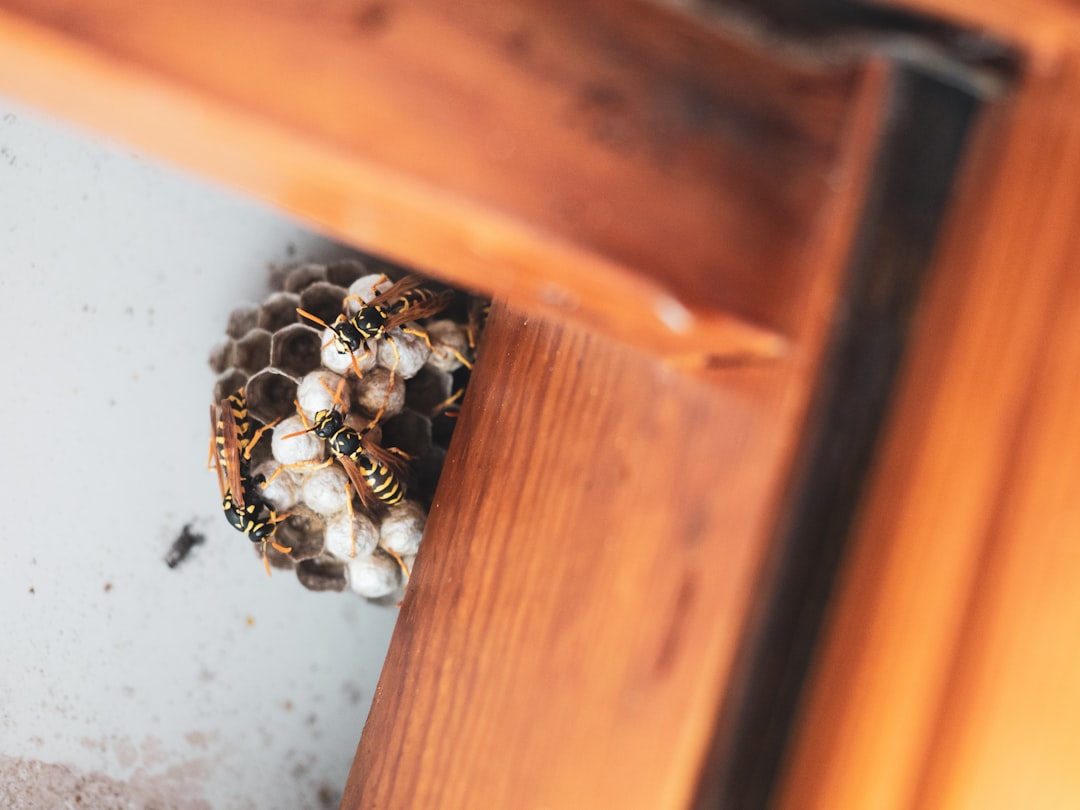
Before doing anything, confirm what you’re dealing with. Ground-nesting wasps use a single visible entrance hole in the lawn, while aerial nests hang from eaves, shrubs, or fence lines. Canada.ca’s pest control guidance notes wasps are easiest to identify in daylight, so scout in daytime and treat at dusk.
Step 1: Decide If This Is a DIY Job. Per CAA-Quebec, if a nest isn’t hazardous, it’s often safest left until it’s abandoned in late fall or winter, then removed with almost no risk. Only DIY if the nest is small, fully visible, and reachable from the ground. Do NOT attempt removal on rooflines, inside walls, under eaves, or anywhere requiring a ladder, call a licensed pro instead. Anyone with a wasp or bee allergy should not attempt removal.
Step 2: Gear Up. Cover your whole body: long sleeves, pants tucked into socks, closed shoes. Plan your exit route before approaching.
Step 3: Treat a Small Aerial Nest. Poulin’s Pest Control recommends 1 part dish soap to 3 parts water in a spray bottle; soap breaks down the wasp’s waxy coating. Spray thoroughly at dusk, then retreat.
Step 4: Bag and Remove. Once inactive, enclose the nest in a heavy plastic bag, detach, seal, double-bag, and submerge in water for 24+ hours before disposal.
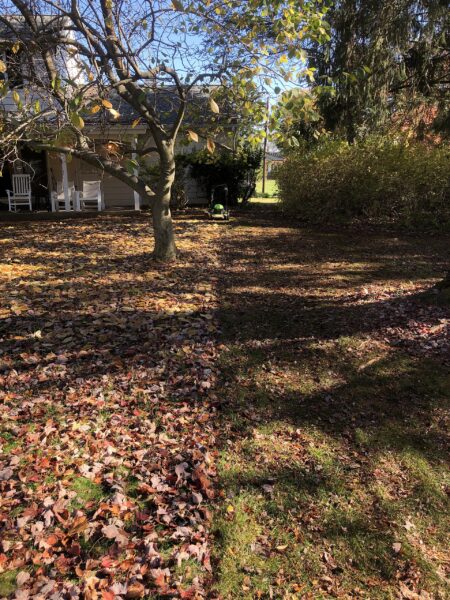
Step 5: Treat a Ground Nest. Confirm the entrance hole by day, treat at dusk from 2-3 metres with a PMRA-registered jet-spray insecticide labelled for wasps, per label instructions. Never use gasoline, flooding, or fire. Canada.ca warns these are ineffective and provoke aggressive swarming.
Step 6: Know When to Call a Pro. Nests in walls, siding, attics, roofs, or otherwise unreachable without climbing need a licensed pest control company, as does any nest near young children, pets, or anyone with a sting allergy.
Handled carefully at the right time of day, small accessible nests can be cleared safely. When height, size, or access is a factor, a licensed technician is the smarter move every time.
Sourcing: CAA-Quebec (caaquebec.com), Poulin’s Pest Control (poulins.ca), Canada.ca Health Canada pest control tips (canada.ca). All technical and safety steps verified against these three sources.
Follow Canada News Media
Get the day's top Canadian stories and our two daily 60-second news videos wherever you scroll.
X Threads Facebook Instagram LinkedIn TikTok YouTube Pinterest Reddit Substack Flipboard Newsletter RSS