


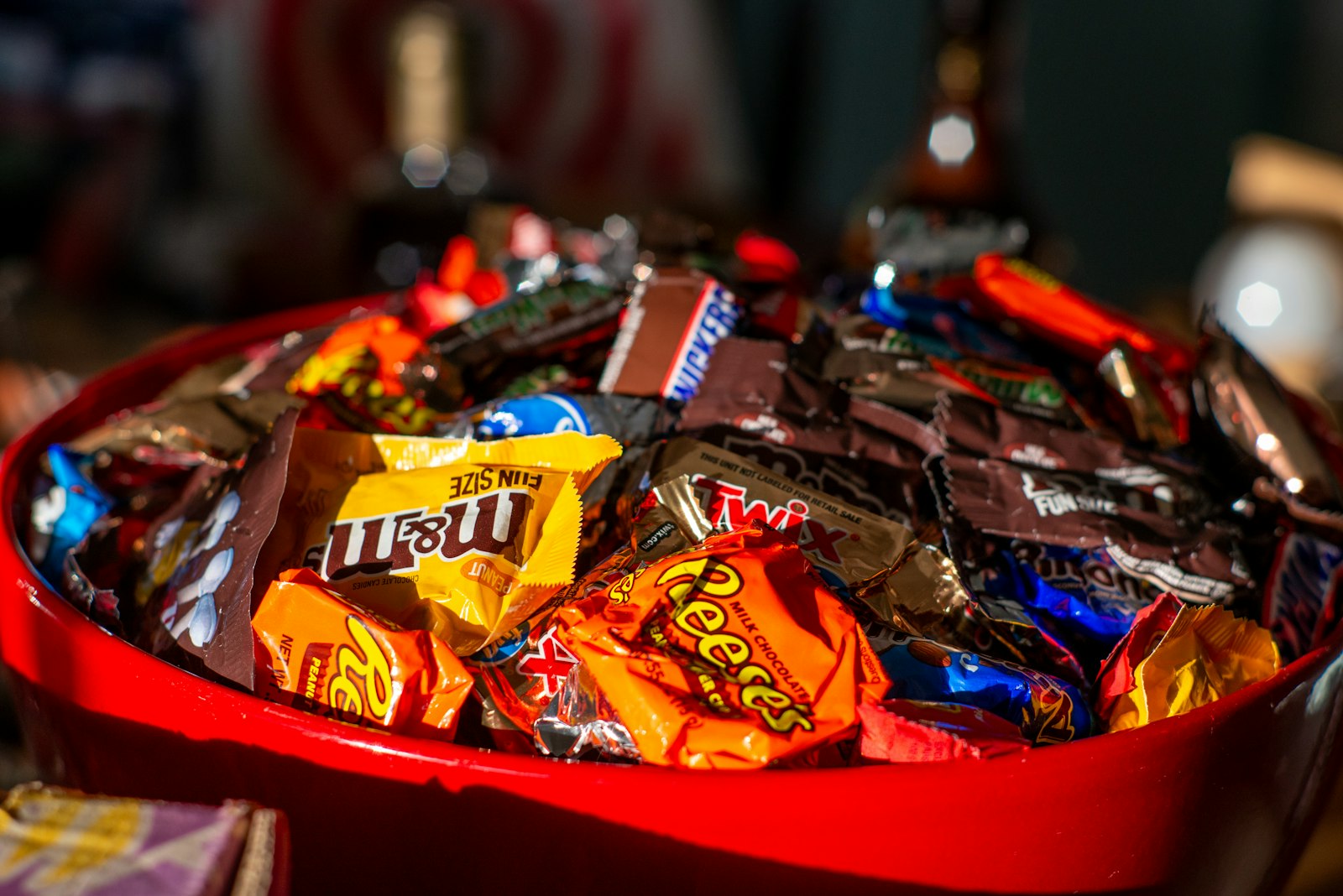
Health Canada says the safest Halloween treats are the ones that are commercially wrapped, have an ingredient list and have been checked by an adult before a child eats them. With Halloween on Oct. 31, the department’s food safety guidance offers a short checklist for parents and for people handing out candy.
The advice is simple, and most of it can be done in a few minutes at the kitchen table once trick-or-treating is over.
Health Canada’s Halloween food safety page says children should be told not to accept or eat anything that is not commercially wrapped. It also suggests feeding kids dinner before they head out, so they are less tempted to snack on the way.
When the bags come home, the department says no one should eat any candy until an adult has gone through it. Anything homemade should be thrown away. Wrapped treats should be checked for small holes, and anything torn, unwrapped or in loose packaging should go in the garbage too. The department’s rule of thumb is short: “When in doubt, throw it out.”
A second Health Canada advisory, titled “Staying Safe on Halloween,” adds that children should wash their hands before they open and eat candy. That advisory is dated Oct. 29, 2019, and its tips on costumes and trick-or-treating are still the department’s published guidance.
Health Canada lists peanuts, tree nuts, soy, wheat, milk and eggs among the common allergens found in Halloween candy.
Its guidance is to read every label carefully and to give children only treats that list their ingredients. If a child is allergic to something named in a “may contain” warning, the department says to avoid that product. It also says not to give a child anything a parent is unsure about.
The Canadian Food Inspection Agency has made similar points in its tips for reading food labels. The agency’s guidance for people with food allergies centres on reading the full label before eating a product.
If a child has been prescribed an epinephrine auto-injector, the “Staying Safe on Halloween” advisory says it should be available whenever the child eats Halloween candy. For households handing out treats, it suggests offering options without common allergens, such as peanuts, tree nuts, milk and egg, or non-food items such as stickers and glow sticks.
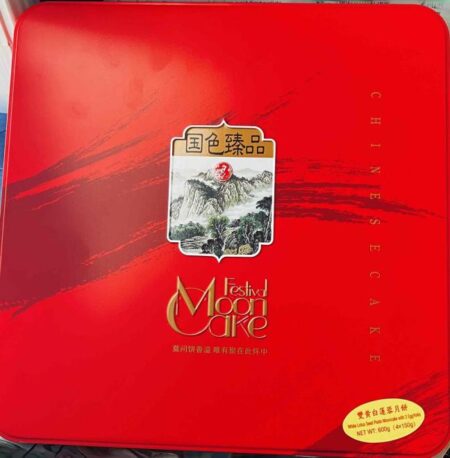
Undeclared allergens are also a common reason for food recalls. Recent examples on this site include a mint chip dessert recalled over undeclared peanut and mooncakes recalled for the same reason. Parents of children with allergies can check Health Canada’s recalls and safety alerts database for candy and snack recalls before sorting a haul.
Health Canada also asks parents to be careful with candies that can choke young children. Its list includes chewy candies, gum, hard candies, lollipops and peanuts. The “Staying Safe on Halloween” advisory says gum, peanuts, hard candies and small toys should be removed from the bags of young children, and that children under three should not play with toys that have small parts.
Another concern for parents is cannabis. Health Canada has warned that children have been hospitalized after accidentally eating illegal, unregulated cannabis edibles, and that emergency room visits and poison centre calls have increased. The department said illegal edibles are often disguised as popular candy, snacks and cereals and may contain high amounts of THC.
Health Canada said there have been no fatal cases in Canada to date, but that it is aware of deaths of children in other countries. That alert was first published on Dec. 22, 2021, and last updated on May 10, 2023.
The department says legal cannabis products are sold in plain, child-resistant packaging, with no more than 10 milligrams of THC per package. It lists flashy packaging, cartoon-like imagery, unusual THC symbols and copies of name-brand products as signs of an illegal product, and asks people to report those to local law enforcement.
The same guidance applies at home on Halloween. Health Canada says cannabis should be stored locked up, out of sight and out of reach of children and pets, and kept apart from regular food and drinks. Homemade edibles should be clearly labelled so they are not mistaken for ordinary snacks.
Among the symptoms the department lists for a child who has eaten cannabis are drowsiness, confusion, slurred speech, unsteadiness, nausea and vomiting, a rapid heartbeat, slowed or ineffective breathing, and loss of consciousness. For a serious medical emergency, Health Canada says to call 911 or contact the regional poison centre, which can be found through infopoison.ca.
Halloween planning has other parts too, from curfews to local rules. The site’s guide to Halloween 2026 trick-or-treat times and rules covers the practical side of the night.
Health Canada’s costume advice is also worth a look before the big night. It suggests brightly coloured costumes with reflective tape, makeup or face paint instead of masks where possible, and a patch test of any face paint beforehand, since even products labelled hypoallergenic can cause reactions. It also recommends LED candles in jack-o’-lanterns instead of open flames, and a flashlight for each child.
This article is based on official guidance from Health Canada and the Canadian Food Inspection Agency and is provided for general public information. It’s not a substitute for medical advice, if you have questions about how this applies to you, talk to your doctor or pharmacist.
If you find reporting like this useful, consider supporting Canada News Media, an independent Canadian newsroom with no corporate parent.
Sources: Health Canada, Halloween food safety; Health Canada, Staying Safe on Halloween; Health Canada, Accidental ingestion of illegal “copycat” edible cannabis products; Health Canada, Safe storage of cannabis; CFIA, Tips for reading food labels.
Follow Canada News Media
Get the day's top Canadian stories and our two daily 60-second news videos wherever you scroll.
X Threads Facebook Instagram LinkedIn TikTok YouTube Pinterest Reddit Substack Flipboard Newsletter RSS