


Support for Latin America’s newly elected right-wing presidents is slipping in Peru, Colombia, Chile and Argentina, new polls show, days before Brazil votes in a presidential runoff on Oct. 25 that could extend the region’s turn to the right.
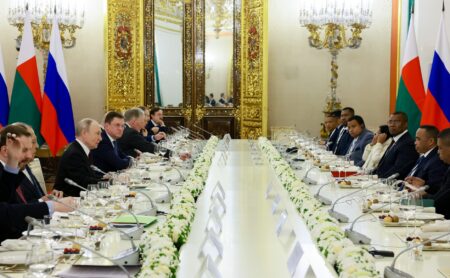
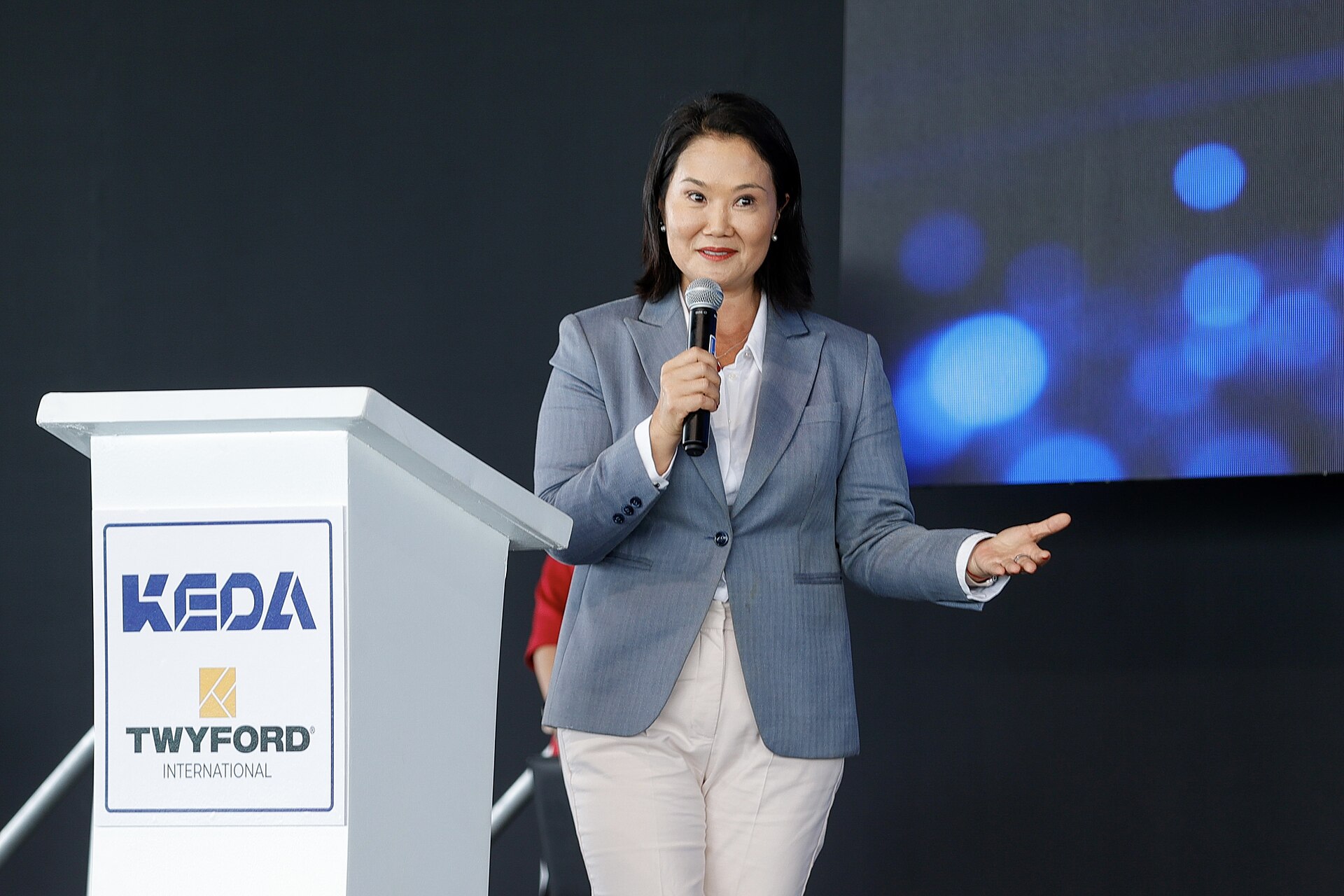
In Peru, an Ipsos poll for the newspaper Perú21 published Oct. 16 put President Keiko Fujimori’s approval at 40 per cent, down from 57 per cent in August, when she took office. Disapproval rose to 49 per cent from 25 per cent over the same period, Caretas reported.
The slide is not limited to Lima. An AFP report from Bogotá on Oct. 20 said approval for Colombian President Abelardo de la Espriella fell by more than three points in his first month in office. Argentine President Javier Milei’s ratings have hit record lows about a year before he seeks re-election, AFP reported. In Chile, the left-leaning research group Fundación Nodo XXI found that about one in four of President José Antonio Kast’s supporters say they regret voting for him.
Bolivia offers the sharpest warning sign. President Rodrigo Paz took office after voters ousted the long-governing socialists amid the country’s worst economic crisis in 40 years. Six months in, demonstrators demanding his resignation have blockaded major cities, largely over fuel shortages, AFP said.
Many of the leaders won on promises to curb crime, revive stalled economies and build closer ties with U.S. President Donald Trump. A Vanderbilt University report, drawing on AmericasBarometer surveys of more than 25,000 people in 21 countries, found weak support for the leaders of eight U.S. allies in Trump’s “Shield of the Americas” alliance: Argentina, Bolivia, Chile, the Dominican Republic, Ecuador, Guatemala, Panama and Paraguay.
El Salvador’s Nayib Bukele is the exception, with 83 per cent approval in the same survey. Crime has fallen to historic lows under a four-year-old state of emergency that has put more than 90,000 suspects in jail, although rights groups cite serious abuses.
Michael Shifter of the Inter-American Dialogue in Washington told AFP that many of these governments “raised expectations probably unrealistically,” and said he was not sure the backlash would look different under governments of the left. He called Bukele “sui generis.”
Guillermo Loli of Ipsos Peru said a problem that has persisted for years, insecurity, will not be solved overnight.
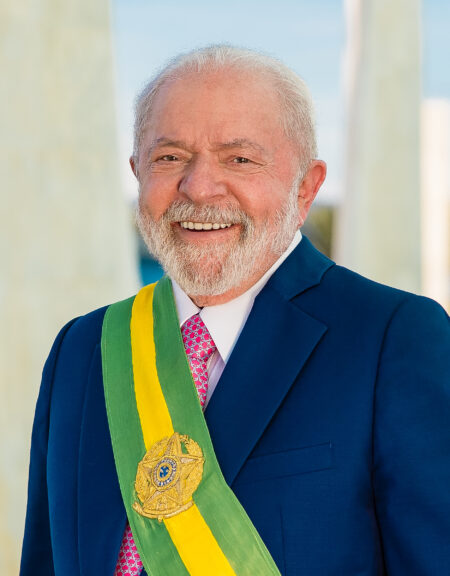
The pattern is being tested next in Brazil. Senator Flavio Bolsonaro and President Luiz Inacio Lula da Silva are separated by less than one point in a BTG/Nexus poll, with Bolsonaro at 50.3 per cent of valid votes and Lula at 49.7 per cent, the Rio Times reported. Polymarket bettors give Bolsonaro a much higher chance, but those figures reflect wagers, not polling. Our earlier report details how Bolsonaro’s lead over Lula has narrowed.
The unrest is also visible on the street. We have reported on a march in Colombia against De la Espriella and on tear gas fired at a university funding march in Argentina. Costa Rica, meanwhile, opened a 5,100-bed mega-prison modelled on Bukele’s approach.
For Canada, the shifts matter because the region is a major destination for Canadian mining and energy investment, and Canada has free trade agreements with Peru, Colombia and Chile. Changes in government policy, tax regimes or public order in those countries can affect Canadian companies and the Latin American diaspora communities in Canada. Travellers should check travel.gc.ca for current advisories, particularly for Bolivia, where road blockades are disrupting movement.
Brazil’s runoff is set for Oct. 25.
Via AFP, Caretas and the Rio Times. Canada News Media has not independently verified the polling figures.
If you find reporting like this useful, consider supporting Canada News Media, an independent Canadian newsroom with no corporate parent.
Follow Canada News Media
Get the day's top Canadian stories and our two daily 60-second news videos wherever you scroll.
X Threads Facebook Instagram LinkedIn TikTok YouTube Pinterest Reddit Substack Flipboard Newsletter RSS