


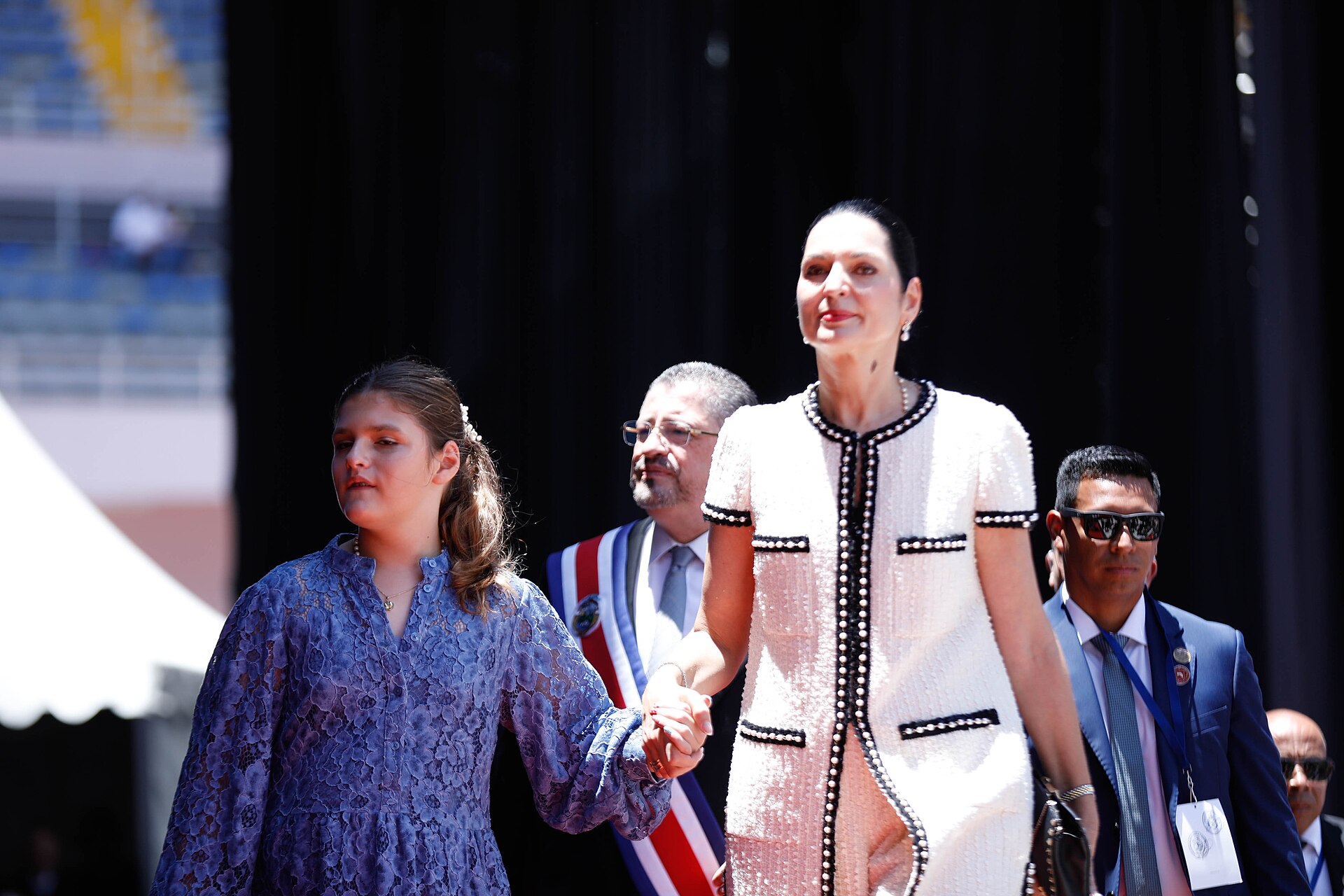
Costa Rican President Laura Fernández opened a prison with room for 5,100 inmates on Oct. 14, modelled on El Salvador’s mega-prison, as her government tries to bring organized crime under control.
The High-Containment Centre Against Organized Crime, known as CACCO, will hold about 20 per cent of the country’s current prison population, Reuters reported. The first inmates are to be moved in at the end of October.
“The CACCO will force criminals to face a new model, a tough-on-crime model,” Fernández said, according to Reuters. Al Jazeera reported that she also said Costa Rica “will become a global benchmark for prison security.” The facility is in Alajuela, Al Jazeera reported.
Justice Minister Gabriel Aguilar presented the prison as part of an effort to reassert state control over a prison system he says organized crime has infiltrated, Reuters reported.
Costa Rica was long spared the violence of its neighbours, but homicides reached an all-time high of 905 in 2023, according to judicial data cited by Reuters. They were 876 in 2024 and 873 in 2025. Authorities link most killings to disputes among criminal groups over drug-trafficking routes and local markets.
The prison borrows from the approach of Salvadoran President Nayib Bukele, who imposed a state of exception in 2022 that expanded police and military powers. It is credited with a sharp drop in homicides. Rights groups say it has also brought mass arrests, mass trials and detentions without charge, and that conditions in mega-prisons such as El Salvador’s Terrorism Confinement Centre, or CECOT, include overcrowding, due-process violations and alleged torture, Al Jazeera and Reuters reported. CECOT can hold about 40,000 people, Al Jazeera reported.
Fernández said the prison’s impact depends partly on courts securing more convictions, Reuters reported. Her government has clashed with judicial authorities over crime policy and budget cuts, and judges and prosecutors have warned against pressure on democratic checks and balances. She also told Reuters a larger U.S. security presence would help, with current co-operation focused on patrols, investigations and extraditions.
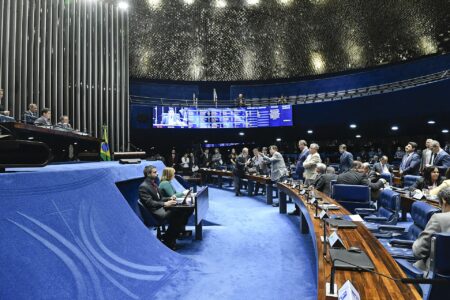
Costa Rica is not alone in looking to the Salvadoran model, Al Jazeera reported. Peru’s president, Keiko Fujimori, who took office in July, plans to tour CECOT before building a similar facility. Colombia’s Abelardo de la Espriella, who took office in August, campaigned on a pledge to build 10 mega-prisons. In Brazil, Senator Flávio Bolsonaro, who reached the presidential runoff, promises five; we reported on the Brazilian Senate’s 75-1 vote for a 40-hour work week before that runoff.
For Canadians travelling there, Global Affairs Canada’s travel advice, last updated Oct. 14, tells travellers to exercise a high degree of caution because of crime. It names Alajuela, Limón, Puntarenas and San José as the provinces most affected by violent crime, and warns of frequent petty theft, car break-ins and card fraud. The advice does not mention the new prison. Canada News Media found no Canadian government statement on it.
Fernández announced that she will visit El Salvador on Friday, Oct. 16, Reuters reported. The first transfers into CACCO are due at the end of October.
Via Reuters and Al Jazeera.
If you find reporting like this useful, consider supporting Canada News Media, an independent Canadian newsroom with no corporate parent.
Follow Canada News Media
Get the day's top Canadian stories and our two daily 60-second news videos wherever you scroll.
X Threads Facebook Instagram LinkedIn TikTok YouTube Pinterest Reddit Substack Flipboard Newsletter RSS