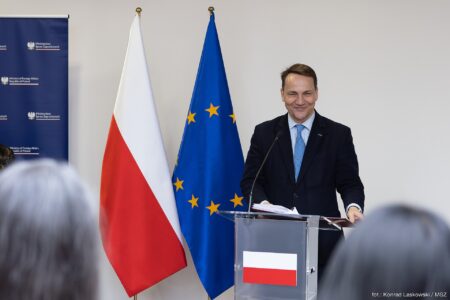


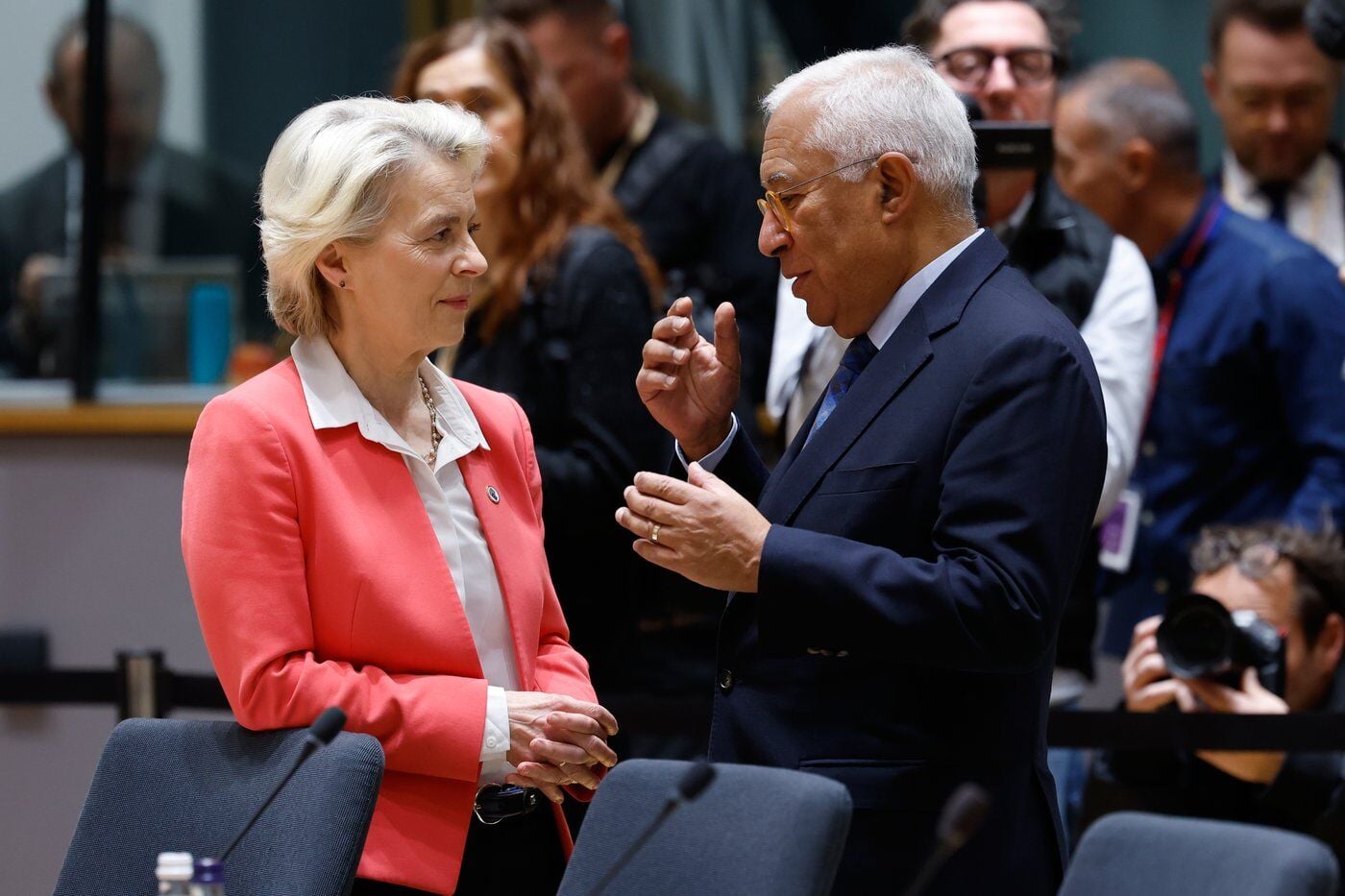
European Union leaders opened a summit in Brussels on Nov. 26, 2026, divided over a new €45-billion loan to help Ukraine next year and over the size of the bloc’s next seven-year budget, The Associated Press reported.
The loan, worth about US$49 billion, would put €25 billion toward Ukraine’s armed forces and €20 billion toward its economy. The European Commission again plans to raise the money on capital markets.
Bulgaria, the Czech Republic, Hungary and Slovakia oppose using funds for military aid to Ukraine. German Chancellor Friedrich Merz had threatened to hold up a budget agreement unless all member states made a collective commitment to Kyiv, and AP reported he repeated that warning Thursday.
Czech Prime Minister Andrej Babiš said the financing of Ukraine should be negotiated separately and that Europe’s priority must be the “life of our citizens.” The disagreement was already open at the leaders’ meeting in Dublin on Nov. 13.
The budget fight is just as wide. “Europe needs solid finances. We can’t and we mustn’t take on more debt,” Merz said, adding that there were also tasks the bloc must reliably fulfil.
Dutch Prime Minister Rob Jetten said the budget needed to be modernized and downsized. France and Italy lead a group that is defending money for farmers and for infrastructure in poorer member countries. Italian Prime Minister Giorgia Meloni told reporters the sides were “light-years away from a solution,” Deutsche Welle reported.
European Council President António Costa, who is chairing the meeting, said a deal on the 2028 to 2034 budget is needed by the end of the year and requires unanimity. AP reported that leaders appear increasingly likely to miss that goal. They are due to meet again on Dec. 18 and 19. The summit could run into Friday.
The plan includes €100 billion for Ukraine over seven years, a figure that diplomats say falls well short of Kyiv’s needs, according to Deutsche Welle. Kremlin spokesman Dmitry Peskov said the spending would make Kyiv less inclined toward a peace process and more determined to continue the war.
To help pay for the budget, Costa has suggested an EU-wide digital services tax on online advertising and money companies make from user data. AP reported it could raise €5 billion a year. A U.S. State Department spokesperson told Politico that Washington opposes the proposed levy. A new EU tax would need unanimous approval.
Canada has been through a similar dispute. On June 29, 2025, the Department of Finance announced that Canada would rescind its own digital services tax to support trade negotiations with the United States, after President Donald Trump said he was ending talks over the levy. This week, Washington also proposed new tariffs on 14 economies, a list that left out Canada.
Canada also has a stake in Ukraine’s finances and defence. Ottawa pledged another $155 million in military funding on Nov. 17. National Defence says Canada has committed more than $8.5 billion in military assistance since February 2022, part of about $25.5 billion in total assistance.
Leaders of countries that use the euro also backed Spain’s Pablo Hernández de Cos to succeed Christine Lagarde as president of the European Central Bank, CNBC reported, citing multiple media reports. The job still requires a formal appointment after consultation with the European Parliament and the central bank’s Governing Council. He was one of two candidates nominated this month. Lagarde plans to step down on Feb. 7, 2027.
If you find reporting like this useful, consider supporting Canada News Media, an independently owned Canadian newsroom.
Sources: The Associated Press, Deutsche Welle, Politico, CNBC and the Department of Finance Canada. This story reflects reports available during the first day of the summit.
Follow Canada News Media
Get the day's top Canadian stories and our two daily 60-second news videos wherever you scroll.
X Threads Facebook Instagram LinkedIn TikTok YouTube Pinterest Reddit Substack Flipboard Newsletter RSS