



Spain and the Netherlands have nominated Pablo Hernández de Cos and Klaas Knot, respectively, to succeed Christine Lagarde as president of the European Central Bank, as the Nov. 6 deadline for nominations closed.
Lagarde said on Oct. 29 that she will leave the Frankfurt-based bank on Feb. 7, 2027, nine months before her term ends, and the two candidacies are the only official ones submitted by euro-area governments, according to the Eurogroup, the forum of euro-area finance ministers.
Anadolu Agency reported that the Eurogroup said two official candidacies were submitted ahead of the deadline. Xinhua reported that Eurogroup president Kyriakos Pierrakakis confirmed both nominations in a statement on Friday, and that finance ministers from the 21 euro-area countries will take stock of the two candidacies at their meeting on Nov. 9.
Knot, 59, was president of the Dutch central bank from 2011 to 2025, according to Xinhua. Reuters has described him as having sat on the ECB’s Governing Council for 14 years and as chair of the Financial Stability Board since 2021.
Hernández de Cos has been general manager of the Bank for International Settlements, the Basel-based central banks’ bank, since July 2025, Xinhua reported. He was governor of the Bank of Spain from June 2018 to June 2024. Reuters has put his age at 55.
Xinhua reported that Spanish Deputy Prime Minister Carlos Cuerpo endorsed Hernández de Cos in a letter to Pierrakakis, following Prime Minister Pedro Sánchez, and wrote that he would be a good ECB chief.
Reuters reported on Nov. 3 that Germany’s Joachim Nagel, head of the Bundesbank, was also seen as a possible contender, though it called him the least likely winner. Neither Xinhua nor Anadolu reported a German nomination, and the Eurogroup count of two candidacies means none was submitted by the deadline.
The appointment itself is a longer process. Anadolu reported that the European Council, made up of EU leaders, will appoint the next president on a recommendation from the Council of the European Union, using a reinforced qualified majority: at least 72 per cent of euro-area member states representing at least 65 per cent of the euro area’s population. The ECB and the European Parliament will be formally consulted first, the Eurogroup said. No appointment date has been announced.
The choice lands at a delicate time for the bank. As Canada News Media reported, the ECB held its key rate at 2.5 per cent on Oct. 29 and kept a December rate increase on the table. Xinhua noted that euro-area inflation hovered around two per cent in most months of 2025 and early 2026 before the Iran war pushed prices up again. The bank raised rates by a total of 450 basis points between July 2022 and September 2023, Xinhua said.
For Canadians, the ECB’s direction matters through the exchange rate and trade. Rate decisions in Frankfurt move the euro against the Canadian dollar, which affects the cost of travelling in Europe and of European imports. Most EU countries that trade with Canada under the Canada-EU trade agreement, known as CETA, are euro users. Our earlier story on Lagarde’s planned departure has more on how the vacancy arose.
Finance ministers meet Nov. 9 in the next step of the process. Neither the date of a recommendation nor of the final leaders’ decision has been set.
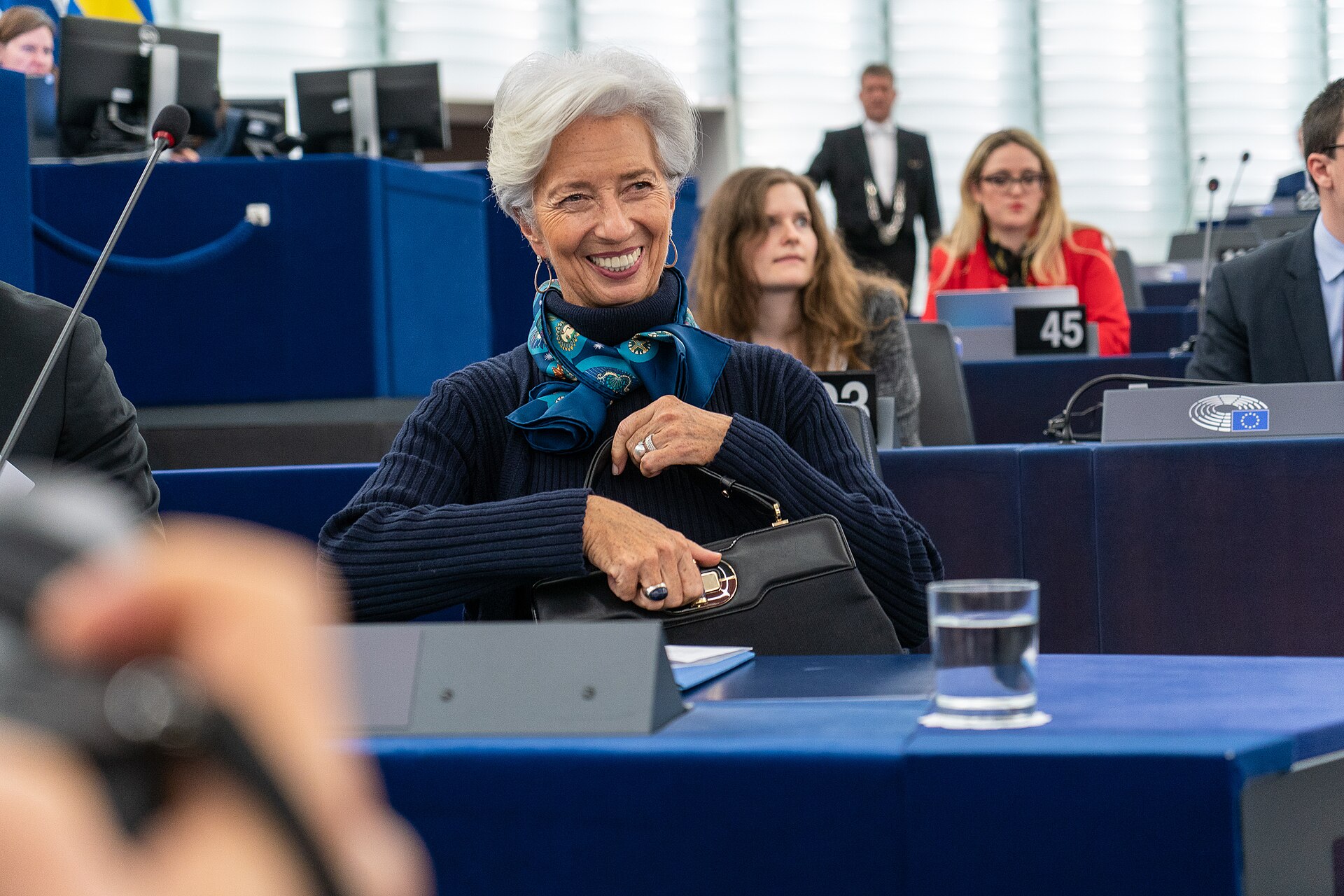
Via Reuters (as published by RTE), Xinhua and Anadolu Agency. Photo: file photo of Lagarde, not from the nominations.
If you find reporting like this useful, consider supporting Canada News Media, an independent Canadian newsroom with no corporate parent.
Follow Canada News Media
Get the day's top Canadian stories and our two daily 60-second news videos wherever you scroll.
X Threads Facebook Instagram LinkedIn TikTok YouTube Pinterest Reddit Substack Flipboard Newsletter RSS