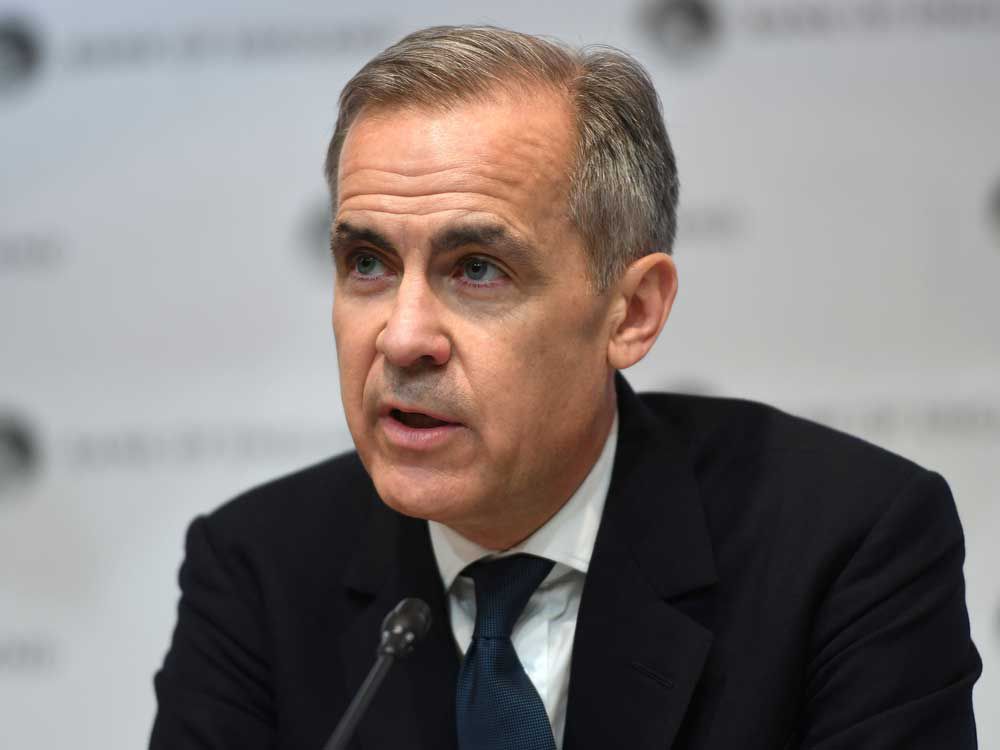

Prime Minister Mark Carney announced $1.2 billion for ocean protection in Vancouver on Tuesday, two days before Ottawa is expected to decide whether a new Alberta oil pipeline to the B.C. coast becomes a “project of national interest.” The timing ties the two together, and the question for coastal communities is whether the money is sized to the tanker traffic that could follow.
According to the Prime Minister’s Office, the package includes $740 million over four years to strengthen ocean conservation, $136 million over four years to protect marine life and $186 million tied to the Northern Shelf Bioregion Reconciliation Framework Agreement with coastal First Nations. The Canadian Press reported the funding will expand the Canadian Coast Guard’s capacity to monitor marine traffic and create a national oil spill response plan for marine mammals. Reuters reported the money will also go to seabed mapping and weather forecasting.
“We can and will do both. We will build major infrastructure, diversify our trade, safely and responsibly,” Carney said, according to the government’s news release. The release also points to nearly $260 million in measures to protect whales from vessel traffic and noise, and says Canada has ratified the United Nations High Seas Treaty on marine biodiversity in international waters.
The pipeline is the backdrop. Alberta submitted its West Coast oil pipeline proposal to the federal Major Projects Office on July 2, and the province says it expects the project to be listed as a project of national interest by Oct. 1 under the Building Canada Act. Alberta’s own project page lists Sept. 1, 2027, as a potential construction start, pending Indigenous consultation and approvals.
Where the oil would reach the water matters more than the dollar figure. Premier Danielle Smith had talked up a northern route to Prince Rupert, but that would have required changes to the federal oil tanker ban on B.C.’s north coast, which Coastal First Nations have vowed to defend. “We remain opposed to any project or proponent that would bring crude oil tankers into our territories,” Heiltsuk Chief Marilyn Slett, president of Coastal First Nations, said last year. Alberta instead pitched a southern route that, according to CBC News reporting on the proposal, would largely follow the Trans Mountain corridor from Bruderheim, Alta., before ending at the Roberts Bank terminal in Delta, B.C., on the Strait of Georgia. The Globe and Mail has reported the line could carry up to one million barrels a day.
That places new tankers in the critical habitat of the southern resident killer whales, one of Canada’s most endangered marine populations. The finalized July 2025 count found 74 whales, with a provisional 2026 count of 76, according to reporting by Canada’s National Observer, which noted a small uptick is not the same as recovery. Friends of the San Juans, a Washington state conservation group, estimates a million-barrel pipeline could add more than 956 oil tanker transits a year through the Salish Sea. The Trans Mountain expansion already raised that pipeline’s capacity to 890,000 barrels a day from 300,000 when it opened in May 2024.
For young Canadians weighing jobs against coastlines, the key detail is sequencing. Ottawa is funding spill response, traffic monitoring and whale protection before the project has a proponent, a final route or a completed consultation. The Assembly of First Nations has asked Ottawa not to grant the national interest designation until affected nations, which Alberta says number more than 100 communities it has engaged, have meaningful decision-making roles.
Several questions remain unanswered by Tuesday’s announcement: how much of the $1.2 billion is new money versus renewed Oceans Protection Plan funding, how much is earmarked for the Salish Sea specifically, and whether any of it is conditional on the pipeline going ahead. Ottawa has invested $3.2 billion in marine protection systems to date, according to the release. Thursday’s decision will show whether that record is the foundation for a new pipeline or the price of one.
If you find reporting like this useful, consider supporting Canada News Media, an independent Canadian newsroom with no corporate parent.
Sources: via Prime Minister’s Office, with reporting from The Canadian Press (via Narcity), Reuters, the Government of Alberta, CBC News, The Globe and Mail, Canada’s National Observer and Coastal First Nations.