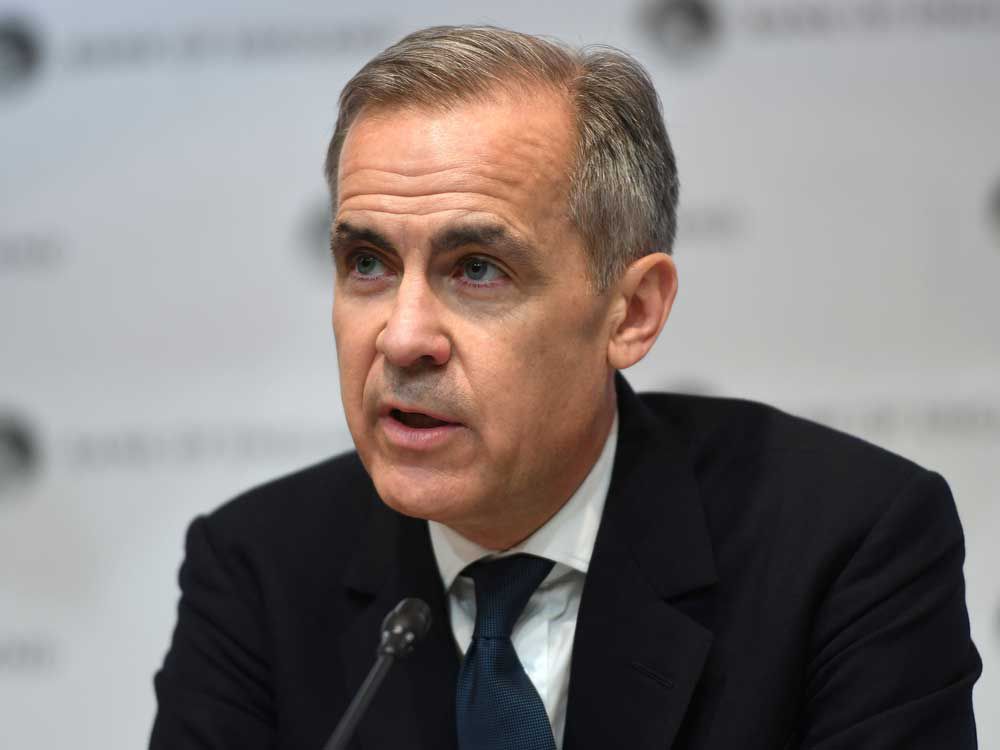


Bank of Canada Governor Tiff Macklem said on Sept. 21 that the central bank does not want to be “too slow to respond if inflationary pressures are becoming more persistent,” a warning that puts a possible interest rate increase back on the table for Canadian borrowers, even though most economists do not expect one at the Oct. 28 decision.
The bank’s benchmark rate currently sits at 2.25 per cent. According to Statistics Canada figures cited in coverage of the speech, the consumer price index rose 3.0 per cent year over year in August, with gasoline prices up 22.8 per cent. Macklem said that if oil prices stay near US$100 a barrel, the bank would expect inflation to edge up in the coming months.
Macklem laid out the cost of waiting too long. If the bank is slow, he said, it may have to raise rates very quickly, and it may end up raising them more than if it had moved earlier, because things will have gotten more out of hand. That is the core of the argument for acting before inflation spreads beyond fuel.
The distinction the bank is trying to draw is between a one-time energy price shock and inflation that seeps into everyday costs such as food, rent and services. According to the bank’s summary of Governing Council deliberations, members agreed that a “monetary response to prevent broad-based inflation” may be required before the end of the year if high energy prices spill over into other goods and services. The bank also introduced a new forecasting model called Prima, which Canadian Mortgage Trends reported is designed to help separate temporary price pressures from persistent ones. It is set to debut in the October Monetary Policy Report.
That does not mean a hike is coming next month. TD Economics still expects the bank to stay on hold for the rest of 2026, according to reporting on the deliberations. Capital Economics said in a Sept. 30 note, as reported by BNN Bloomberg, that a soft economy should limit how far the bank can go with any rate increases.
The soft economy is the other half of the story. Statistics Canada reported on Sept. 29 that GDP was flat in July, with a flash estimate pointing to 0.2 per cent growth in August. Macklem also noted that U.S. tariffs could cut fourth-quarter growth to below one per cent, according to Canadian Mortgage Trends. The central bank is caught between prices that are rising because of oil and an economy that is barely growing because of trade pressure.
For younger Canadians, the practical stakes are mortgages and debt. People with variable-rate mortgages or lines of credit would feel any increase in their payments quickly. Those preparing to renew a fixed-rate mortgage in the next year face the risk that market rates move higher before the bank itself acts, since lenders price fixed rates off bond yields that react to signals like this one. Anyone in that position may want to ask their lender about rate holds and renewal timing, though what makes sense depends on individual circumstances.
Two data releases will shape expectations before the Oct. 28 decision. Statistics Canada is scheduled to release the September jobs report on Oct. 9, and the September inflation figures are expected on Oct. 19, according to economic calendars cited in market coverage. A hotter-than-expected inflation reading would raise the odds of a hike by year-end. A weak jobs report would do the opposite.
The open question, which the speech did not answer, is how long the bank is willing to look past an oil shock when household budgets are already stretched. If energy prices fall back, inflation may ease without any action. If they do not, the bank has now signalled that it will not wait indefinitely.
If you find reporting like this useful, consider supporting Canada News Media, an independent Canadian newsroom with no corporate parent.
Via Canadian Mortgage Trends. Sources: Money.ca, FXStreet, BNN Bloomberg. Not financial advice.