
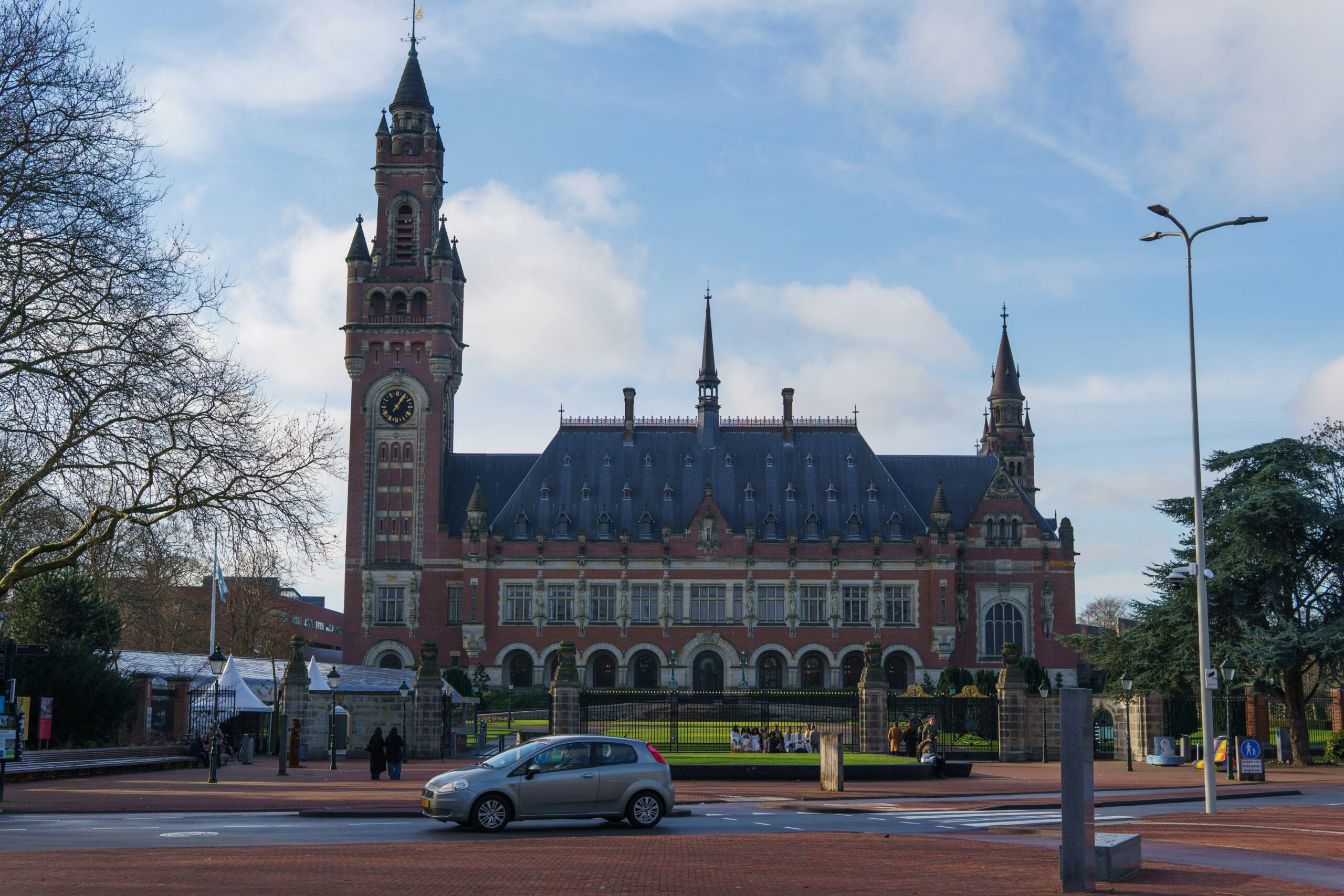
U.S. Secretary of State Marco Rubio announced sanctions on the International Criminal Court itself on Friday, Oct. 9, 2026, blocking the court’s assets under U.S. jurisdiction and barring most U.S. dealings with the tribunal in The Hague.
The move goes further than earlier U.S. measures, which targeted more than a dozen ICC judges and prosecutors, and it puts the court’s future funding and daily operations in question. Treasury is allowing some services to continue for 180 days, CBS News reported, while the court’s 125 member states, including Canada, decide how to respond.
“Either the ICC will end its threats, or we will end the ICC,” Rubio said, according to CBS News. He described the court as “fatally politicized” and said he would dismantle it “brick by brick” if necessary. Rubio said the 180-day window is meant to give the court’s member states a chance to propose a solution, and that Washington will “adjust accordingly” if they fail.
The sanctions block all property and interests in property the court holds in the United States and prohibit providing funds, goods or services to the court or for its benefit, Al Jazeera reported. Companies that serve the court could be penalized. Temporary exemptions cover services such as maintenance, technology and pension plans, which the State Department said would give member states time to address U.S. concerns. Neither outlet identified the specific legal authority used.
Washington has pointed to two ICC matters: the court’s investigation of alleged abuses in Afghanistan, which could involve U.S. military and intelligence personnel, and its arrest warrants for Israeli Prime Minister Benjamin Netanyahu and former defence minister Yoav Gallant over the war in Gaza. Neither the United States nor Israel is a party to the Rome Statute, the treaty that created the court. The court holds that it can prosecute crimes committed on the territory of a member state, even by nationals of countries that are not members. Al Jazeera noted the court has not sought to prosecute any U.S. citizen to date.
The ICC condemned the designation as an attempt to interfere with its work and to intimidate those who cooperate with it. ICC President Tomoko Akane said the court will keep carrying out its mandate with independence and impartiality, and she appealed to member states for adequate resources, CBS News reported. Deputy prosecutor Nazhat Shameem Khan told Reuters the sanctions “must be condemned” and that the court’s work will continue, Al Jazeera reported. Netanyahu thanked Rubio for his “leadership,” according to the same report.
William Schabas, an international law professor, told Al Jazeera it is “not immediately clear” how much the sanctions will affect the court, which he said had prepared for more than a year, including by moving some U.S.-made software to European alternatives. The court has about 900 staff. UN News reported in a headline that UN Secretary-General Antonio Guterres condemned the sanctions as a “serious blow”; this site could not open the full UN article.
The announcement came hours after the Nobel Committee awarded the 2026 Peace Prize to Navi Pillay, a South African jurist and former ICC judge, as Canada News Media reported. CBS News reported that Netanyahu’s office said the committee had “lost its moral compass.” Pillay led a UN inquiry that found Israel committed genocide in Gaza, a finding Israel disputes.
For Canada, a member of the court, the question is no longer abstract. Kimberly Prost, a Winnipeg-born ICC judge, was already under U.S. sanctions and is challenging them in a New York court, the Canadian Press reported on July 21. At the time, Foreign Affairs Minister Anita Anand said Canada supports international law and that the court “should never be politicized,” but the government said it was not involved in Prost’s case. NDP foreign affairs critic Heather McPherson said Ottawa’s silence amounted to appeasing U.S. President Donald Trump.
No Canadian government response to Friday’s announcement had been found by the time of publication. Members of the court include Canada, Japan, Australia, every NATO country except Turkey and most U.S. allies in Europe, CBS News reported. Al Jazeera reported that Chad and Venezuela moved to withdraw from the court in July, following Burkina Faso, Mali and Niger.
The next marker is the end of the 180-day window, which falls in early April 2027 if counted from Oct. 9. Whether Canada and other members seek to shield the court’s operations, and how U.S. courts rule on challenges brought by sanctioned judges and rights groups, will shape what the sanctions mean in practice. This is a developing story.
Via CBS News, Al Jazeera, UN News and the Canadian Press.
If you find reporting like this useful, consider supporting Canada News Media, an independent Canadian newsroom with no corporate parent.