


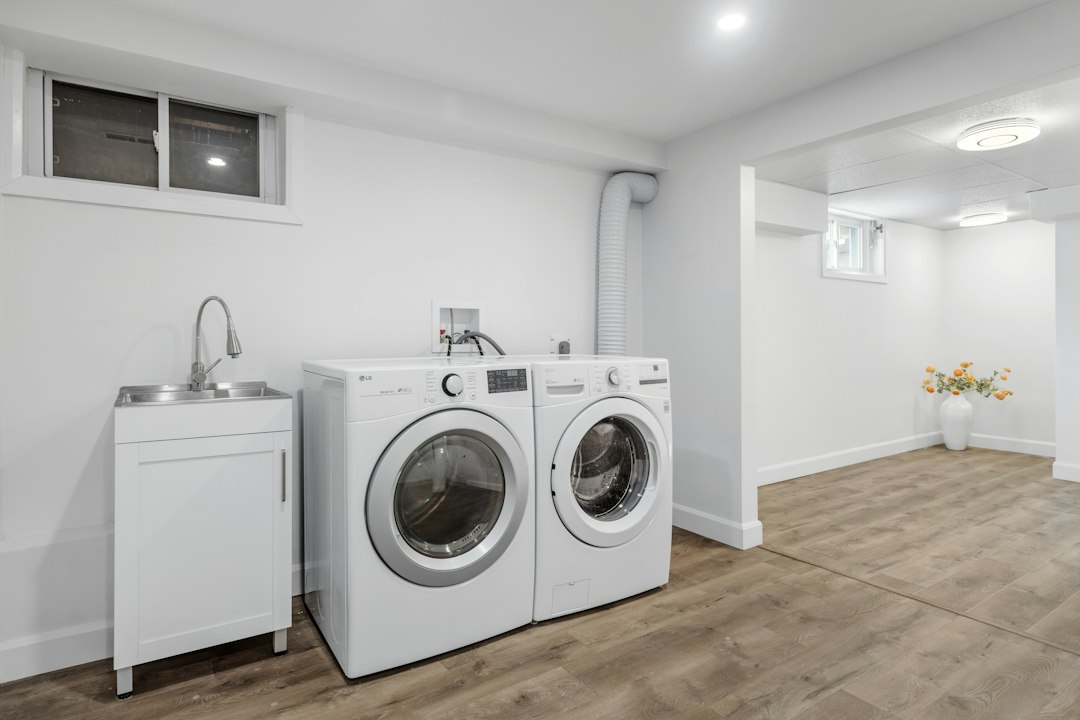
Clean the lint filter before or after every load, and clear the vent duct and outdoor hood at least twice a year. Lint that builds up in the duct restricts airflow, and ATCO Energy says dryer vent buildup is one of the leading causes of house fires in Canada.
The Montreal fire department says dryers should vent only to the outside of the building, through metal ducts kept as short and straight as possible, with a maximum of four elbows unless the manufacturer says otherwise. As the heating season starts and laundry loads get heavier, it is a good time to check the whole path from the back of the machine to the outdoor hood.
Most homeowners can handle a short, accessible vent run with basic tools. If your gas dryer needs inspection, or the duct runs through walls or a ceiling or ends on a roof, hire a professional. ATCO Energy recommends a professional for vents that pass through walls or ceilings, and the Montreal fire department advises a professional inspection of the vents on gas dryers. Do not climb a ladder or work on a roof to reach a vent hood.
Signs the vent is clogged include clothes that stay damp after a full cycle, laundry that comes out unusually hot, a hot or humid laundry room, a burnt smell, or an outdoor flap that barely moves while the dryer runs, ATCO Energy said.
Step 1: Gather your supplies. You need a vacuum with a hose attachment, a dryer vent brush kit with flexible rods, a screwdriver or nut driver, foil tape (not duct tape) for reconnecting joints, and a flashlight.
Step 2: Unplug the dryer. Pull it out gently from the wall. If it is a gas dryer, stop here and call a qualified technician for the vent work.
Step 3: Disconnect the duct from the back of the dryer. Loosen the clamp, slide the duct off and check for crushed sections, loose joints or gaps. Old accordion-style foil or plastic ducts are a fire hazard, ATCO Energy said, and should be replaced with rigid metal duct.
Step 4: Clean the lint filter and its slot. Pull out the filter, remove the lint by hand, then vacuum the slot with the hose attachment. The Montreal fire department also advises removing any lint or residue built up around the filter.
Step 5: Vacuum the back of the dryer and the vent opening. Remove loose lint around the exhaust port and the floor behind the machine.
Step 6: Brush out the duct. Attach the brush to a flexible rod, feed it into the duct from the dryer end and rotate it as you push, adding rods as needed. Pull the brush back out slowly and vacuum the loosened lint. Repeat from the outdoor end if you can reach it safely from the ground.
Step 7: Clean the outdoor hood. Remove lint, snow, ice or nests from the exterior outlet. The flap should swing open freely. A blocked outlet or a flap that does not open while the dryer runs is a warning sign, the Montreal fire department said.
Step 8: Reconnect the duct. Seal the joints with foil tape, secure the clamp, and keep the duct as short and straight as possible. Push the dryer back without crushing or kinking the duct.
Step 9: Test the airflow. Plug the dryer back in, run it and go outside. You should feel a steady flow of air at the hood, with the flap fully open. If the airflow is weak, a blockage remains.
Keep the area around the dryer clear of boxes, clothes and chemicals, and never run the dryer when you are out or asleep, ATCO Energy advised. The Montreal fire department also says to wash fabrics soaked in flammable substances such as gasoline, solvents or massage oil thoroughly, preferably by hand, and to air-dry them rather than put them in the dryer.
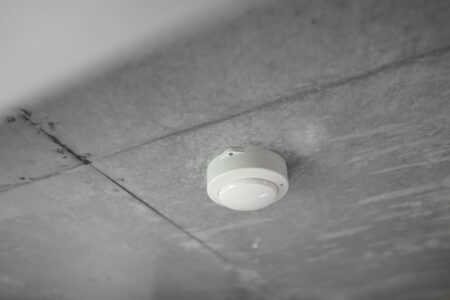
A clean vent also helps the dryer work efficiently, but it does not replace working alarms. Our guide to testing smoke and CO alarms at home explains how to check them, and our draft-proofing guide covers other home checks to do before the cold sets in.
If you find it hard to reach the full duct, or the brush meets a blockage it cannot clear, a professional can inspect the system, clear it with commercial tools and test the airflow. ATCO Energy recommends a deep vent cleaning at least twice a year, and more often in homes with children or pets.
If you find reporting like this useful, consider supporting Canada News Media, an independent Canadian newsroom with no corporate parent.
Follow Canada News Media
Get the day's top Canadian stories and our two daily 60-second news videos wherever you scroll.
X Threads Facebook Instagram LinkedIn TikTok YouTube Pinterest Reddit Substack Flipboard Newsletter RSS