


Ontario cancer patients seeking treatments that are unavailable in the province say a new out-of-country drug funding rule leaves them with few options, The Canadian Press and CBC News reported on Oct. 21, 2026.
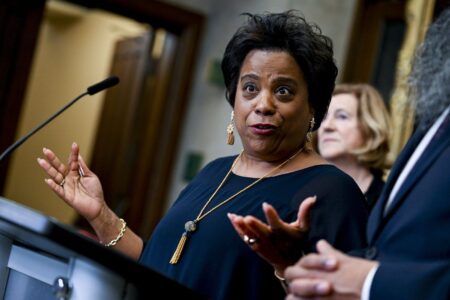
Health Minister Sylvia Jones changed the rules in early October after a court ruling in favour of a patient with metastatic melanoma. Under the amended regulation, the Ontario Health Insurance Plan funds drug treatments out of the country only if they are already funded in Ontario but access is temporarily unavailable or delayed, according to The Canadian Press. The government said it put long-standing policy into regulation.
In a statement, Jones said the change protects patients and taxpayers from price gouging and will help avoid up to $5.2 billion in additional costs to the health system every year. A government official later said that figure is the added cost if the province stopped negotiating drug prices with manufacturers entirely, CP reported.
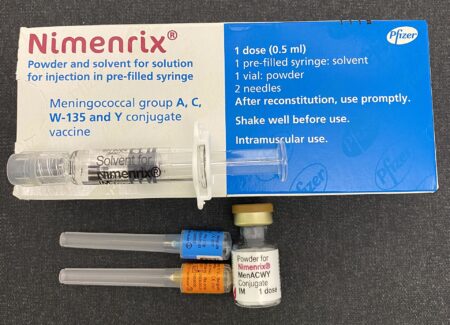
OHIP has said routinely paying for such requests while drugs are under review in Ontario would undermine the incentive for manufacturers to take part in Canada’s drug review process, according to CBC News.
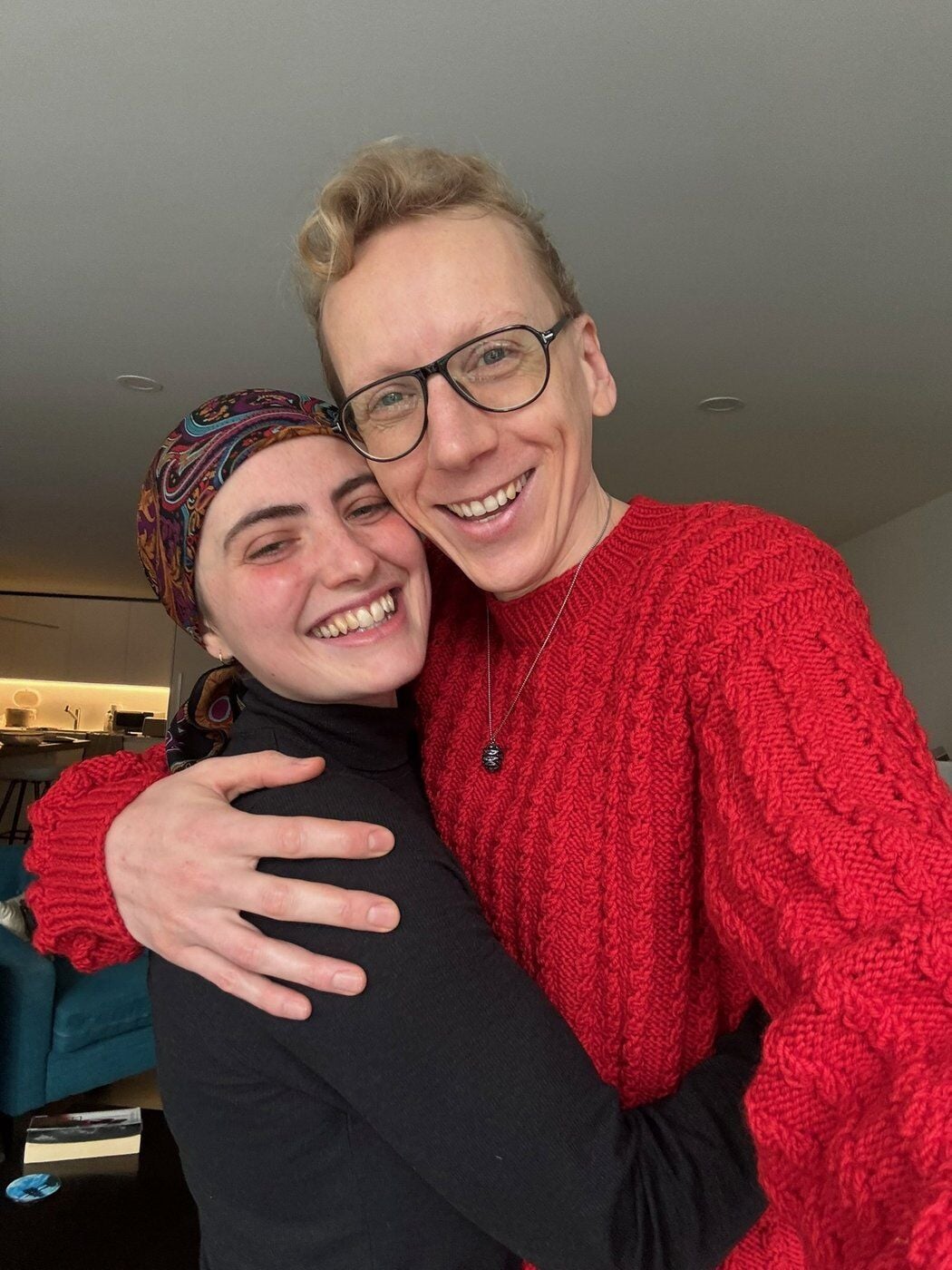
Sabrina Apitz-Grossman, 31, has metastatic synovial sarcoma that spread from her knee to her lungs. Her doctors recommend Tecelra, a personalized T-cell therapy approved in the United States that costs US$727,000, she said. OHIP denied her out-of-country request and an appeal, and a Case-by-Case Review Program application to have the treatment given at Princess Margaret Cancer Centre in Toronto also failed.
The maker of Tecelra has said it has no plans to seek approval in Canada, so there is no review process in her case to undermine, Apitz-Grossman said. Jones’ office said drugs that have not been approved by Health Canada are not funded in Ontario or any other province, and the new rule did not change that.
Holly Wardlow, 61, was denied coverage through the case-by-case program for a drug for a rare liver cancer because it was expected to be reviewed for public funding, even though the manufacturer sent two letters saying it would not apply in Canada, she said. She and her husband have paid $78,000 a month for infusions.
The dispute comes as provinces press Ottawa on health costs. Federal, provincial and territorial health ministers left Winnipeg without a long-term funding deal this month, though Ottawa committed $880 million to health research on Oct. 22.
If you find reporting like this useful, consider supporting Canada News Media, an independent Canadian newsroom with no corporate parent.
Follow Canada News Media
Get the day's top Canadian stories and our two daily 60-second news videos wherever you scroll.
X Threads Facebook Instagram LinkedIn TikTok YouTube Pinterest Reddit Substack Flipboard Newsletter RSS