


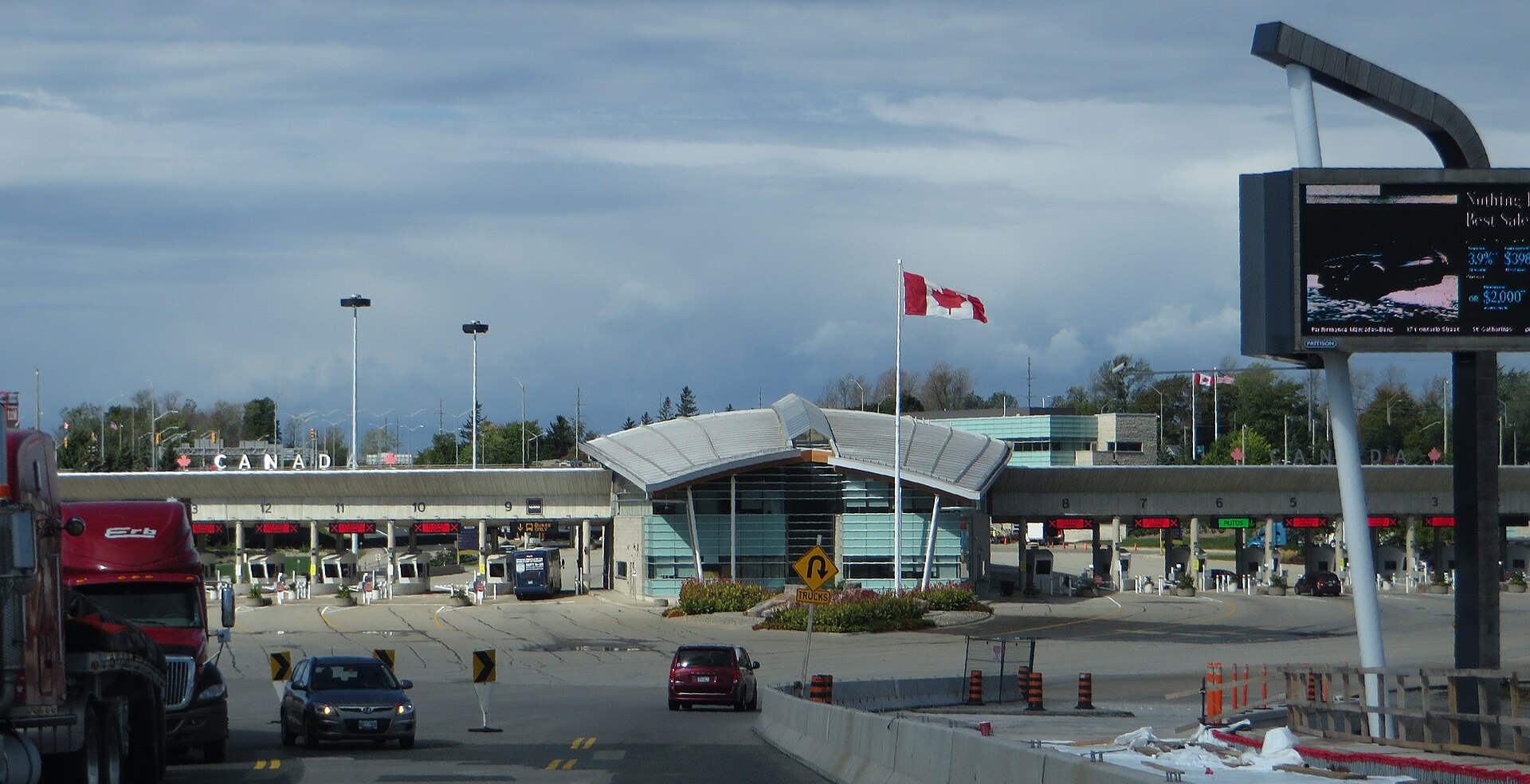
U.S. Customs and Border Protection searched 55,318 phones, laptops and other devices in fiscal 2025, up from 41,767 in 2023, and CBC News reports this year is running higher still: 52,080 searches from Oct. 1, 2025 to June 30, 2026, against 39,251 a year earlier. That is still a small slice of the more than 419 million travellers CBP processed, about one in 7,600 by our calculation, and CBP calls the searches exceedingly rare. In FY2025, 92 per cent were basic searches by hand; advanced searches, which copy or analyze a device, need reasonable suspicion or a national security concern plus supervisor approval. Searches of U.S. citizens’ devices rose 57 per cent in two years and non-citizens’ rose 26 per cent. The Government of Canada says officers do not need to give a reason when requesting a password, and refusing may mean a seized device, delays or, for non-citizens, denied entry. Its advice is to use airplane mode before crossing. Coming home, appeal courts in Alberta (2020) and Ontario (2024) found the Customs Act’s no-threshold device search power violates the Charter.
Full story: U.S. border device searches up 32 per cent this year.
Sources: U.S. Customs and Border Protection, Border Searches of Electronics at Ports of Entry, FY2023, FY2024 and FY2025 statistics, and Border Search of Electronic Devices; Government of Canada, Travel advice for the United States, Electronic devices; CBC News; Slaw (Oct. 9, 2024) and Law Times on R. v. Pike (2024 ONCA 608) and R. v. Canfield (2020 ABCA 383). Percentages and the one-in-7,600 figure are our calculations. Photo: Peace Bridge, Ken Lund (CC BY-SA 2.0), via Wikimedia Commons.
Follow Canada News Media
Get the day's top Canadian stories and our two daily 60-second news videos wherever you scroll.
X Threads Facebook Instagram LinkedIn TikTok YouTube Pinterest Reddit Substack Flipboard Newsletter RSS