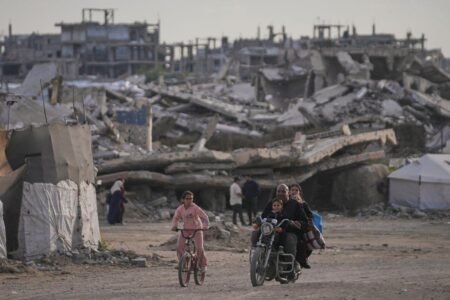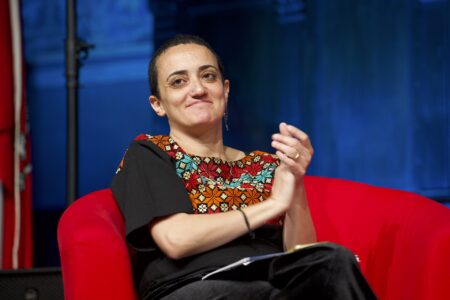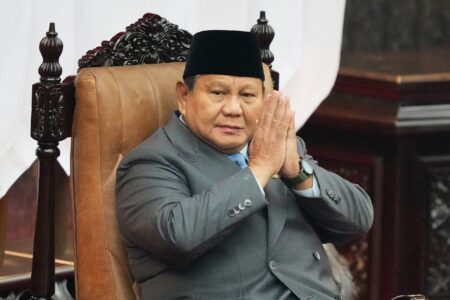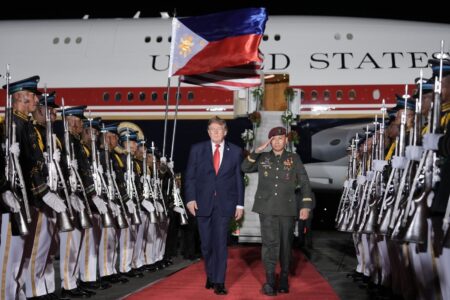


The International Court of Justice, the United Nations’ highest court, is scheduled to deliver its judgment on Thursday, Nov. 19, 2026, in The Hague in the genocide case Gambia brought against Myanmar over its treatment of the Rohingya.
The ruling will be final. Human Rights Watch said in a question-and-answer explainer published Nov. 3 that the judgment is “final and without the possibility of appeal” and will conclude the proceedings. The group said Myanmar’s 2017 military campaign forced more than 700,000 people to flee to Bangladesh.
Gambia filed the case in November 2019 under Article 9 of the Genocide Convention, with the backing of the Organisation of Islamic Cooperation, Human Rights Watch said. Al Jazeera put the filing date at Nov. 11, 2019. The case is not a criminal prosecution of individuals. It asks the court to decide whether Myanmar is responsible as a state.
According to Human Rights Watch, Gambia asked the court to find that Myanmar violated the convention by committing genocide, conspiring to commit genocide, failing to prevent it and failing to punish those responsible. Gambia also seeks orders to stop the violations, reparations for the Rohingya and guarantees the abuses will not be repeated. It further asks the court to find that Myanmar failed to comply with provisional measures the court ordered in January 2020.
Myanmar rejects the allegation. Human Rights Watch said the country has described its 2016 and 2017 operations as targeted counterterrorism operations responding to attacks by the Arakan Rohingya Salvation Army. It says there is no direct evidence of genocidal intent and argues that reports by the UN Fact-Finding Mission should not be given weight.
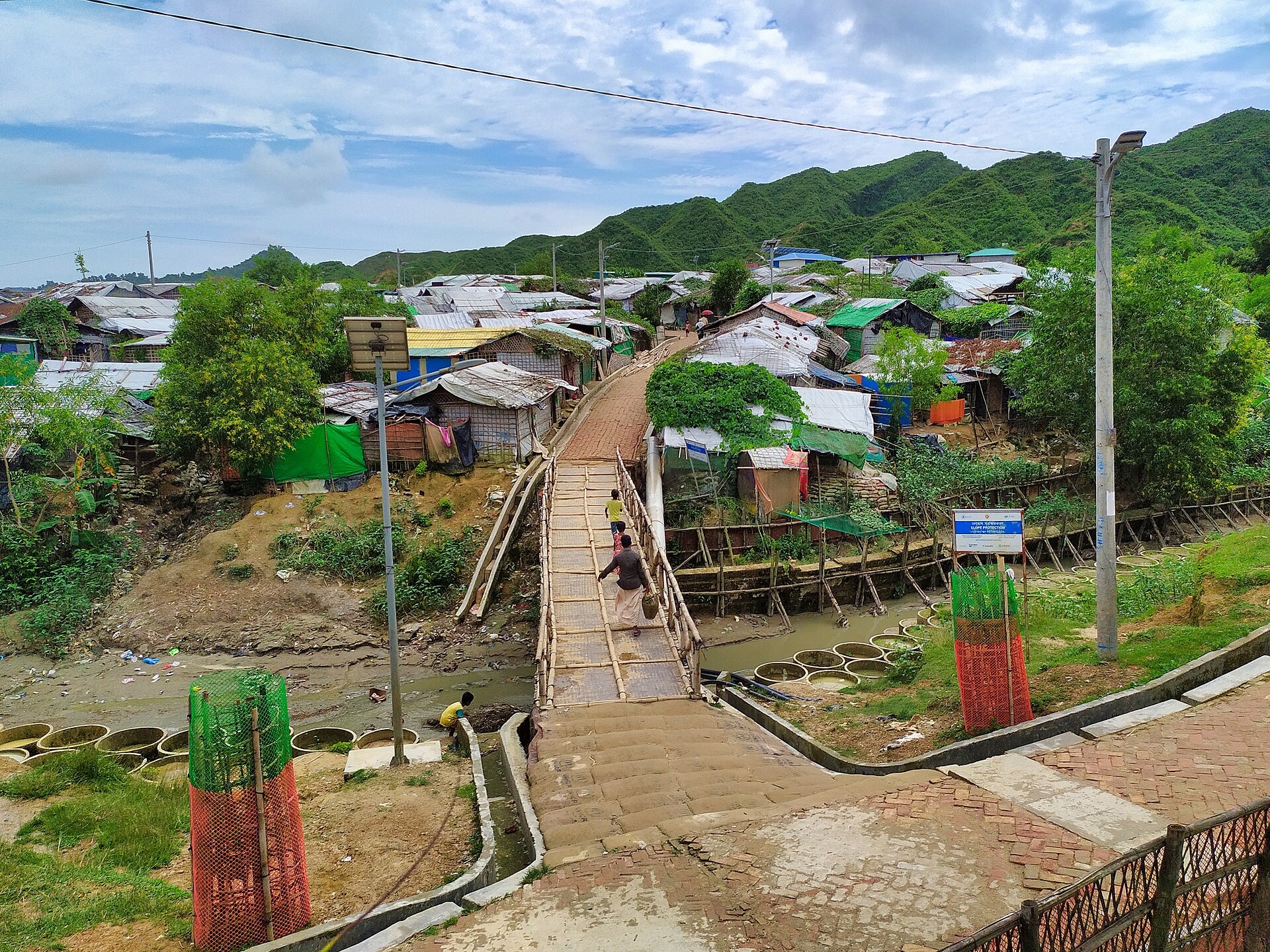
Al Jazeera reported on Nov. 18 that more than 1.2 million Rohingya refugees remain in Bangladesh, most of them in camps in Cox’s Bazar. It did not name a source for that figure. The outlet also reported that Myanmar’s authorities have said they would allow the Rohingya to return when security conditions permit.
“The court will find the truth. We suffered, so we know,” Dil Hossain, a Rohingya refugee in Cox’s Bazar, said, as quoted by Al Jazeera. Nay San Lwin, cofounder of the Free Rohingya Coalition, said: “For us, meaningful justice is not simply a court verdict.”
Analysts quoted by Al Jazeera were cautious about what a ruling would change. Thomas Kean of the International Crisis Group said he feared “a genocide finding against Myanmar would only make Naypyidaw more recalcitrant.” Nasir Uddin of the University of Chittagong said he would not expect “an entirely black-and-white judgement.”
Canada has a formal role in the case. Human Rights Watch said the court authorized 11 countries to intervene on limited questions about how to interpret the Genocide Convention: Canada, Denmark, France, Germany, the Netherlands, the United Kingdom, the Maldives, Slovenia, the Democratic Republic of Congo, Belgium and Ireland. The intervening states did not take part in the hearings on the merits of the case.
Neither source says what time the judgment will be read on Thursday. Canada News Media will report the ruling once it is delivered.
Via Human Rights Watch and Al Jazeera.
If you find reporting like this useful, consider supporting Canada News Media, an independently owned Canadian newsroom.
Follow Canada News Media
Get the day's top Canadian stories and our two daily 60-second news videos wherever you scroll.
X Threads Facebook Instagram LinkedIn TikTok YouTube Pinterest Reddit Substack Flipboard Newsletter RSS