

An apartment sitting empty in Canada’s big cities is typically listed for far more than the same kind of apartment next door with a tenant in it, according to the Canada Mortgage and Housing Corporation’s 2025 Rental Market Survey tables. In the Ottawa area, CMHC found the average vacant apartment at $2,150 a month in October 2025, against $1,731 for occupied units, a gap of $419 a month, or 24.2 per cent. In the Toronto area the figures were $2,233 vacant and $1,907 occupied, a difference of $326 (17.1 per cent). In Vancouver it was $2,350 against $1,955, or $395 (20.2 per cent).
The gap was widest in Quebec. The vacant-unit average exceeded the occupied-unit average by 29.3 per cent in Gatineau ($1,807 against $1,398), 27.1 per cent in Montréal ($1,628 against $1,281) and 22.1 per cent in Québec ($1,490 against $1,220). Five of the 18 metros CMHC published, Gatineau, Montréal, Ottawa, Québec and Vancouver, had a premium of 20 per cent or more. Thirteen had a premium of at least 10 per cent, and 16 had one of at least 5 per cent. The middle of the 18 was about 12.5 per cent.
Only two metros showed essentially no gap. Regina’s vacant units averaged $1,391 against $1,415 for occupied units (1.7 per cent lower), and CMHC’s own significance test marked that difference as not significant. Saskatoon’s averages were $1,470 and $1,466, a 0.3 per cent difference. Calgary’s gap was 5.6 per cent ($1,869 against $1,770), and Winnipeg’s 9.2 per cent ($1,530 against $1,401).
The gaps are larger for two-bedroom units, the size many families and roommate households need. In Vancouver the vacant two-bedroom average was $2,903 against $2,345 occupied, a $558 monthly difference (23.8 per cent). In Ottawa it was $2,438 against $1,902 ($536, or 28.2 per cent), and in Toronto $2,530 against $2,033 ($497, or 24.4 per cent). In Gatineau the two-bedroom premium was 41.0 per cent ($2,022 against $1,434) and in Montréal 36.3 per cent ($1,817 against $1,333).
For a household, the difference shows up as a penalty for moving. Using CMHC’s averages, a tenant who leaves a typical occupied Ottawa apartment for a vacant one would pay about $5,000 more over 12 months ($419 a month), and one moving in Vancouver about $4,700 ($395 a month), before any change in unit size or location. The gap reflects what CMHC’s tables call the average rent of vacant units against occupied ones, which tracks how rents on sitting tenants can lag market rents, especially where provincial rent rules limit how much a landlord can raise rent on an existing tenant. The tables do not say that landlords are doing anything wrong, and nothing here accuses any landlord of wrongdoing.
The comparison has limits. CMHC’s averages are not like-for-like. Vacant units can differ from occupied ones in age, building, neighbourhood, size within a bedroom type and condition, and a few buildings with high asking rents can pull a metro average up. The table gives no count of vacant units behind each average, so we have not said how many apartments are involved, and CMHC’s quality ratings on the vacant-unit averages in these rows run from A to C, meaning they are estimates with a range of error. The survey covers purpose-built rental apartments and row units, not condominium units rented by their owners, basement apartments or houses, and it was taken in October 2025.
Separately, our September story on asking rents, which draws on private listing data, covers how falling asking rents interact with tenants who stay put: Asking Rents Have Fallen for 22 Straight Months. This story uses CMHC’s October 2025 survey of vacant and occupied units instead, and does not rely on listing data.
How we checked: We downloaded the 18 metropolitan data workbooks that CMHC links from its 2025 Rental Market Report page on Nov. 17, 2026 and read table 3.1.9, “Private Row (Townhouse) and Apartment Average Rents ($) of Vacant and Occupied Units by Zone and Bedroom Type,” taking the CMA total row for each metro (Ottawa CMA, Toronto CMA and so on) and its “Total” and “2 Bedroom” columns. The dollar differences, percentage gaps, the count of metros above each threshold and the median are our calculations from CMHC’s published averages, rounded to one decimal; the working table is in our files. CMHC’s own test, shown in the Y/N column of the table, found the vacant-unit average statistically higher at the 95 per cent confidence level in the total column for 17 of the 18 metros, all but Regina. CMHC’s 2026 survey had not been released when we checked.
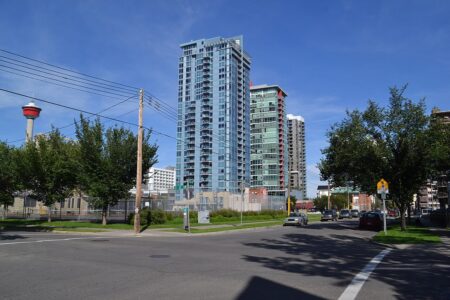
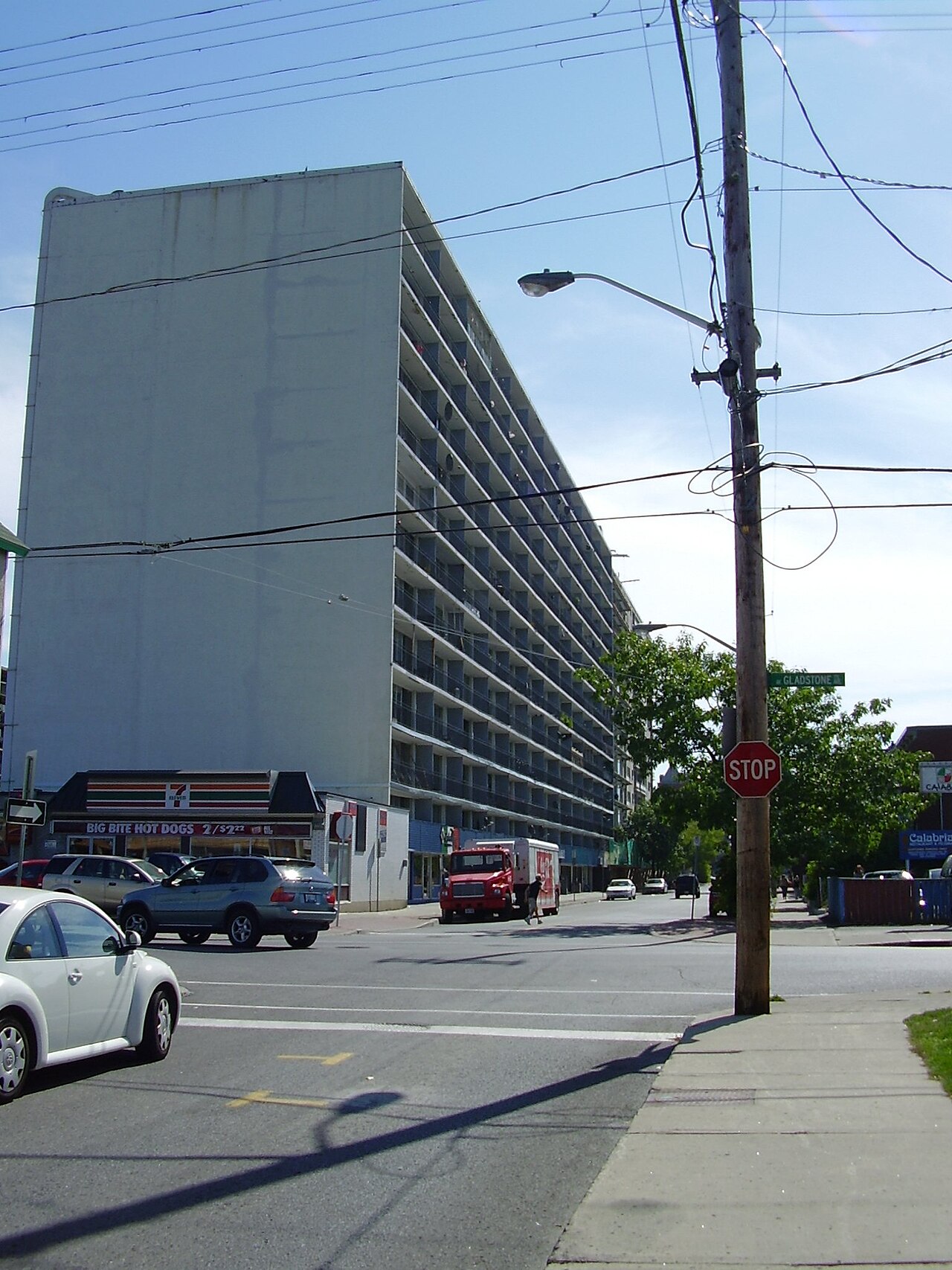
File photo: an apartment tower on Gladstone Avenue, Ottawa (Richard Gould, CC BY-SA 2.0, Wikimedia Commons). The building is not named in the data.
Follow Canada News Media
Get the day's top Canadian stories and our two daily 60-second news videos wherever you scroll.
X Threads Facebook Instagram LinkedIn TikTok YouTube Pinterest Reddit Substack Flipboard Newsletter RSS