



No, KFC is not closing in Canada. The Chapter 11 bankruptcy filed Nov. 16, 2026, covers Tasty Chick’n, a Plano, Texas, franchisee that runs 84 KFC and KFC/Taco Bell restaurants in 10 U.S. states. Reports of the filing list no Canadian locations, and KFC Canada, owned by Yum Brands, says it runs more than 650 restaurants here.
Key facts
Tasty Chick’n filed for Chapter 11 on Nov. 16, 2026, in the U.S. Bankruptcy Court for the Southern District of Texas in Houston.
It runs 75 KFC restaurants and nine KFC/Taco Bell co-branded restaurants, all in the United States, with the most in Florida (23) and Tennessee (22).
It entered bankruptcy with nearly US$73 million in funded debt, and Yum Brands says it is owed US$15.68 million in unpaid fees.
KFC Canada is a subsidiary of Yum Brands with more than 650 locations in Canada, according to its July 2026 release.
Canada’s precedent: Priszm Income Fund, owner of 428 KFC, Taco Bell and Pizza Hut restaurants, sought creditor protection in Ontario in 2011.
Facts checked Nov. 19, 2026.
KFC drew more than 50,000 Google searches in Canada in the 24 hours to Thursday afternoon, with related searches such as “kfc closing stores,” according to Google Trends. The case involves one U.S. operator, not the KFC brand itself, according to reporting by Nation’s Restaurant News and QSR Magazine.
Tasty Chick’n runs restaurants in Florida, Tennessee, Virginia, Arkansas, Kentucky, Illinois, Missouri, Alabama, Mississippi and Indiana, QSR Magazine reported. Neither outlet’s report mentions any restaurant in Canada.
In Canada, the chain is run by KFC Canada, a subsidiary of Yum! Brands Inc. In a July 27, 2026 release announcing its Kwench drinks line, KFC Canada said it has “more than 650 locations right here in Canada” and that the drinks were backed by a $30-million investment from the company and its franchisees.
Chief executive Thomas M. Scott said the company filed to protect the value of its restaurants and to run a court-supervised sale of its assets, QSR Magazine reported. The company was formed in 2021 and grew by buying 90 restaurants from Fowler Foods that year and 64 more from JRN Inc. in 2024.
Sales fell 11.4 per cent in 2024, 1.4 per cent in 2025 and another 2.8 per cent so far in 2026, a drop of about 15.6 per cent over three years, the company said in its filing as reported by both outlets. Its restaurant profit margin shrank from 11.8 per cent in 2023 to four per cent this year as food, labour, rent and operating costs rose.
The franchisee began putting off royalty payments to Yum Brands in mid-2025, QSR Magazine reported. Yum sent a default notice that December and, on Sept. 15, 2026, a notice of intent to terminate the franchise agreements, saying it was owed US$15.68 million, mostly US$7.9 million in advertising contributions and US$5.6 million in royalties.
Losing those agreements would end the company’s right to use the KFC and Taco Bell names, which Scott said would wipe out the value of the business. Tasty Chick’n owes about US$67.2 million to lenders led by MidCap Financial Trust and US$5 million on a note to JRN, and it is seeking up to US$20 million in new financing from MidCap to keep operating during the case.
The company employs about 1,646 people and had about US$194 million in revenue for the year to September, QSR Magazine reported. It has hired advisers to find buyers and is rejecting nine franchise agreements tied to restaurants it has closed or is closing. Any sale needs court approval and KFC’s consent.
A KFC spokesperson told Nation’s Restaurant News: “We remain confident in the strength of our brand,” adding that the company continues to focus on the health and growth of its restaurant system. The outlet also noted that Encanto Restaurants, a KFC operator in Puerto Rico, filed for Chapter 11 after Yum Brands ended that relationship.
Canada has seen a much larger KFC franchisee failure. Priszm Income Fund, then the biggest Canadian operator of KFC, Taco Bell and Pizza Hut restaurants with 428 locations, obtained protection under the Companies’ Creditors Arrangement Act from the Ontario Superior Court of Justice, with the court’s endorsement dated March 31, 2011, according to a restructuring summary by law firm Weil, Gotshal and Manges.
By May 2011, Priszm had closed 30 locations in Ontario and British Columbia and received court approval to sell 204 restaurants to Soul Restaurants Canada Inc., QSR Web reported, citing a sale value of $42.8 million reported by the Winnipeg Free Press. The Tasty Chick’n case is about one-fifth that size by restaurant count.
The filing follows a run of U.S. fast-food franchisee bankruptcies this year. Bloomberg Tax reported in August that filings were rising as food, rent and wage costs climbed and consumers pulled back, naming the fourth-largest U.S. franchisee of Popeyes Louisiana Kitchen and two Hardee’s franchisees with more than 100 locations between them.
Canadian households are under similar pressure. Consumer insolvencies have been rising even in provinces where unemployment fell, and food costs remain high, as our look at what Christmas dinner costs in Canada in 2026 shows.
Is KFC going out of business? No. The bankruptcy filing is by Tasty Chick’n, one franchisee that runs 84 KFC and KFC/Taco Bell restaurants in 10 U.S. states, not by KFC or its owner, Yum Brands. A KFC spokesperson told Nation’s Restaurant News: “We remain confident in the strength of our brand.”
Are KFC restaurants in Canada affected by the Tasty Chick’n bankruptcy? Reports of the filing list only U.S. restaurants, in Florida, Tennessee, Virginia, Arkansas, Kentucky, Illinois, Missouri, Alabama, Mississippi and Indiana. Neither Nation’s Restaurant News nor QSR Magazine mentions any Canadian location. KFC Canada, a Yum Brands subsidiary, says it has more than 650 restaurants in Canada.
Will the Tasty Chick’n KFC restaurants close? The company plans a court-supervised sale of its restaurants, as one package, market by market or in combinations, QSR Magazine reported. It is rejecting nine franchise agreements tied to restaurants it has closed or is closing. Any sale needs court approval and KFC’s consent.
Has a KFC franchisee gone bankrupt in Canada before? Yes. Priszm Income Fund, which owned 428 KFC, Taco Bell and Pizza Hut restaurants across Canada, obtained creditor protection under the Companies’ Creditors Arrangement Act from the Ontario Superior Court of Justice in 2011. By May 2011 it had closed 30 locations in Ontario and B.C. and won court approval to sell 204 restaurants to Soul Restaurants Canada Inc.
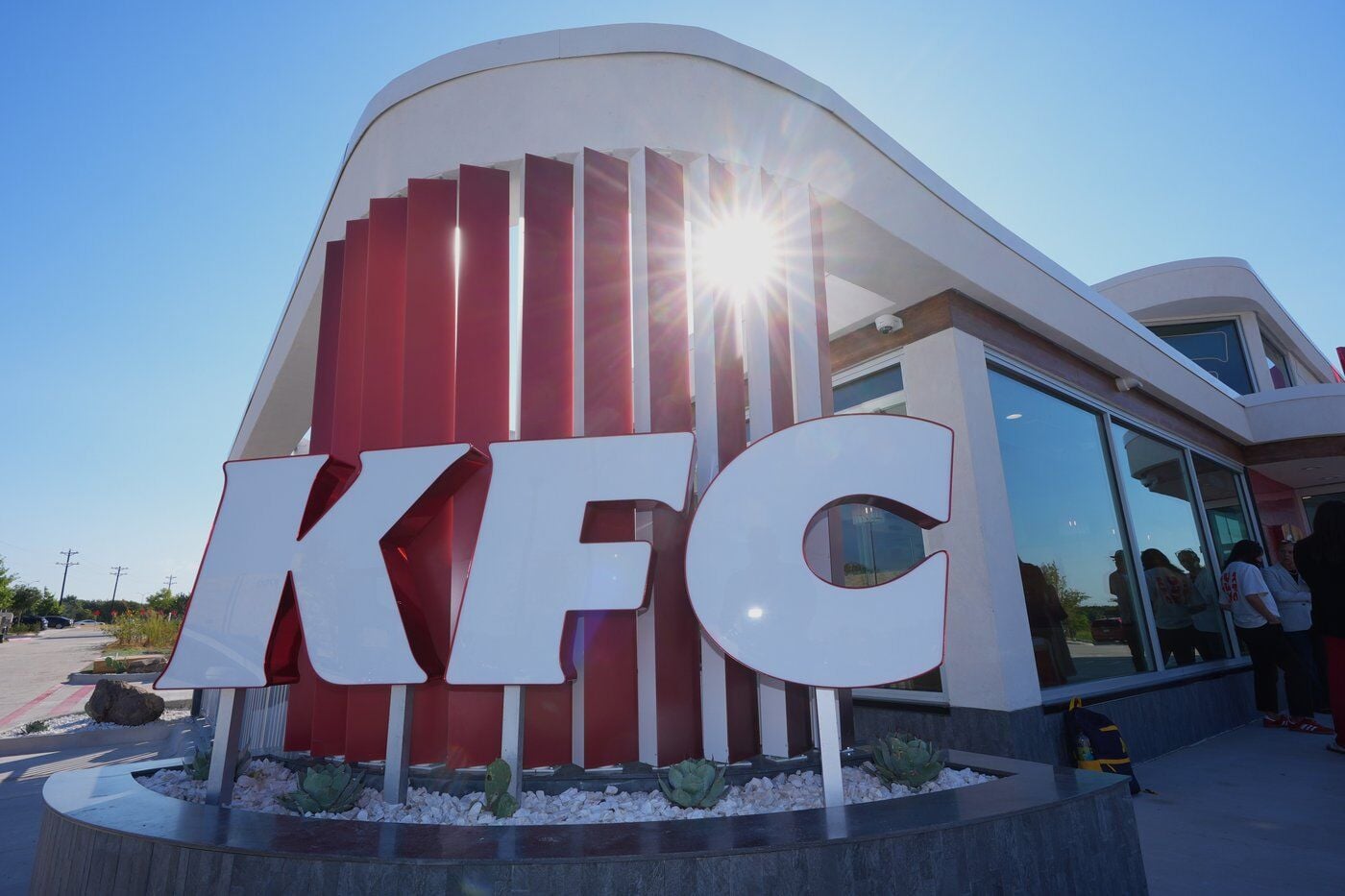
Photo: A KFC restaurant in McKinney, Texas, on Sept. 22, 2026. Texas is not one of the 10 states where Tasty Chick’n operates. File photo. (AP Photo/LM Otero)
Sources: Nation’s Restaurant News, QSR Magazine, KFC Canada, Weil, Gotshal and Manges, QSR Web, Bloomberg Tax.
If you find reporting like this useful, consider supporting Canada News Media, an independently owned Canadian newsroom.
Follow Canada News Media
Get the day's top Canadian stories and our two daily 60-second news videos wherever you scroll.
X Threads Facebook Instagram LinkedIn TikTok YouTube Pinterest Reddit Substack Flipboard Newsletter RSS