



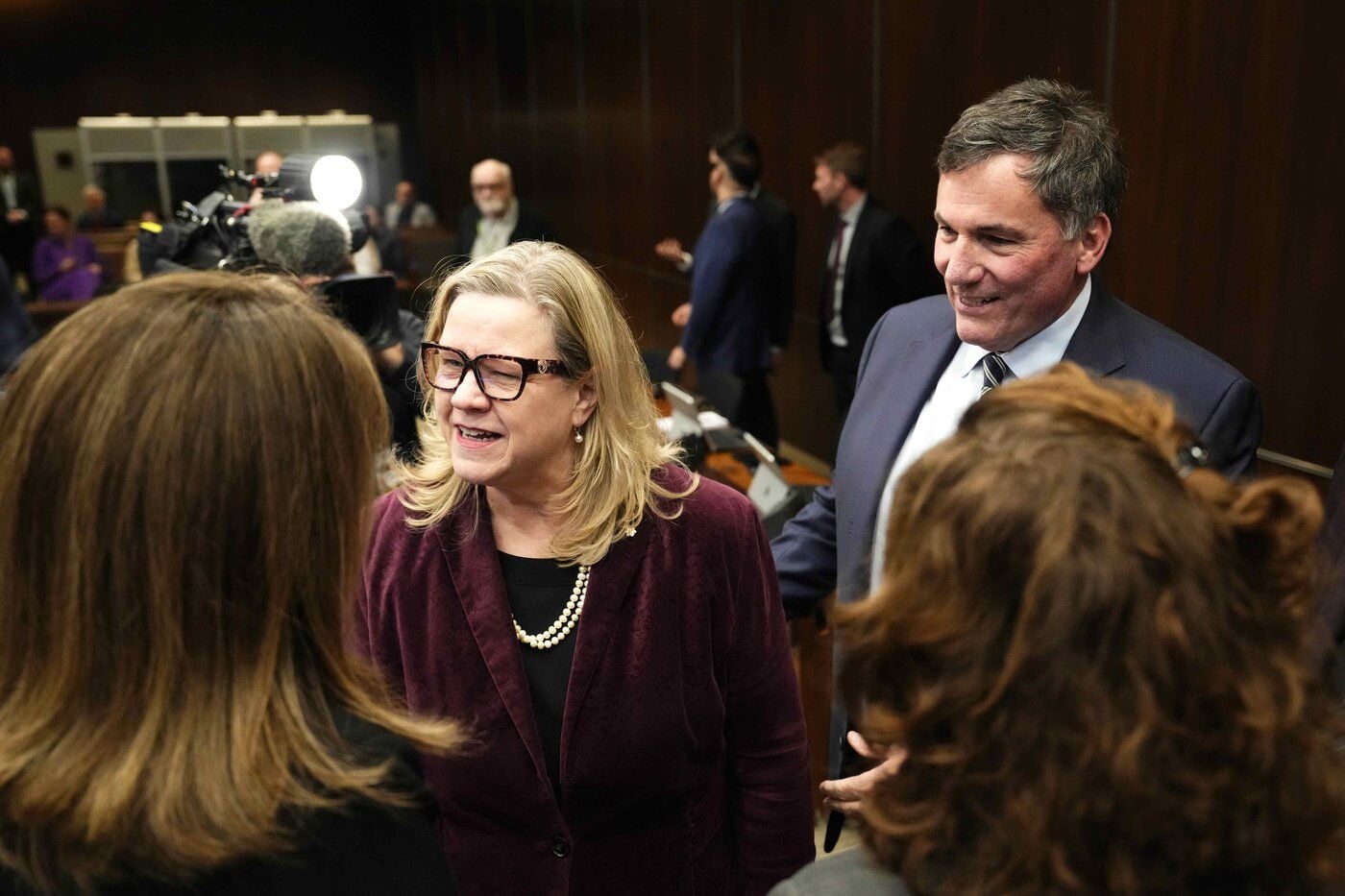
Canada-U.S. Trade Minister Dominic LeBlanc briefed the federal advisory committee on Canada-U.S. economic relations in Ottawa on Nov. 19 on trade talks with the Trump administration, as Ottawa grows more hopeful of an interim deal, The Canadian Press reported.
It was the committee’s 10th meeting and the first since the Nov. 3 U.S. midterm elections, which delivered a sharp rebuke to President Donald Trump’s Republicans. Global Affairs Canada said in a readout that LeBlanc, chief trade negotiator Janice Charette and Ambassador Mark Wiseman updated members on “ongoing trade discussions” and reaffirmed Canada’s commitment to an agreement that supports workers and businesses and protects Canadian sovereignty.
The readout did not mention an interim deal, a timeline or any of the issues in dispute. It said members described the challenges businesses and workers still face because of U.S. trade measures, and that they discussed how well federal supports for tariff-affected firms are working.
The Canadian Press reported that members heard Ottawa is now more optimistic about the odds of an interim agreement, though difficult negotiations are expected to continue. Flavio Volpe, president of the Automotive Parts Manufacturers’ Association and a committee member, told the news agency the administration is still the counterparty and the political dynamic has not changed until Congress takes hold.
Talks broke down in August. Carney said at the time that Washington wanted to limit Canada’s ability to strike trade deals with other countries, put Canada’s language and culture protections at risk and keep high tariffs on some autos. Trump then imposed 50 per cent tariffs on an array of Canadian goods, banned imports of others and has threatened higher duties in January if there is no deal, the Canadian Press reported. We have a guide to which Canadian tariffs are in effect and what they cost.
A committee source who was not authorized to speak publicly told the Canadian Press that an interim deal is possible in the “lame duck” period before the new Democrat-controlled Congress arrives in January, but that the election results will not solve every problem. Democrats have said ending the trade war with Canada is a priority, but they would likely need a supermajority to override a presidential veto and probably would target only one tariff tool, Section 338 of the Tariff Act of 1930, the news agency reported. Other duties on Canadian industry would stay in place.
Volpe also said some committee members are concerned that Canada’s moves to normalize trade with China, in sectors already hit by U.S. national security tariffs, could undermine progress with Washington. We reported earlier that Carney said he is open to Chinese automakers if the U.S. talks fail, and that White House trade adviser Peter Navarro criticized those comments.
Navarro repeated his criticism in a video posted Thursday, according to the Canadian Press. He said Ottawa is misreading its position and called Canadian officials arrogant. The Canadian Press said the administration’s tone toward Canada had softened somewhat after exit polling suggested the trade war and tariffs were unpopular with American voters.
Carney and Trump spoke for about 20 minutes on the sidelines of the Asia-Pacific Economic Cooperation summit in Shenzhen, China, on Wednesday, as we reported. LeBlanc also backed Carney’s account of why the talks collapsed earlier this week.
The next pressure point in Washington is the Dec. 11 deadline for Congress to fund the U.S. government, covered in our earlier report. Trump’s January tariff threat is the next date that matters directly for Canadian exporters.
Via The Canadian Press and Global Affairs Canada.
If you find reporting like this useful, consider supporting Canada News Media, an independently owned Canadian newsroom.
Follow Canada News Media
Get the day's top Canadian stories and our two daily 60-second news videos wherever you scroll.
X Threads Facebook Instagram LinkedIn TikTok YouTube Pinterest Reddit Substack Flipboard Newsletter RSS