


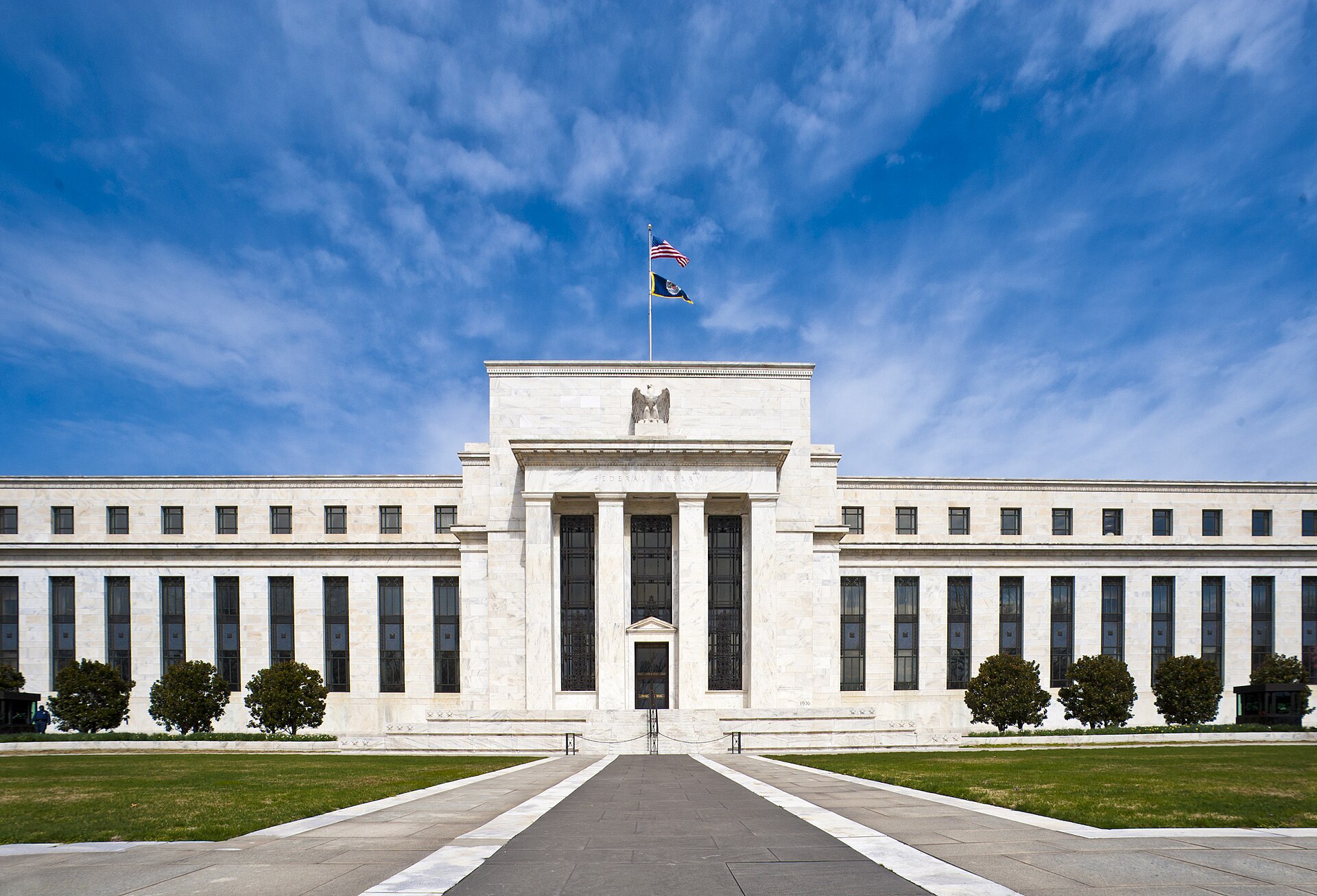
Almost all U.S. Federal Reserve officials judged that further interest rate increases would likely be appropriate, according to minutes of the central bank’s Oct. 27-28 meeting released Wednesday, with two participants floating a half-point hike in December.
The signal matters for Canadians because it is widening the gap between U.S. and Canadian borrowing costs, a gap that The Canadian Press reported has pushed the loonie below 70 cents US. The Fed’s target range is 3.75 per cent to four per cent, compared with the Bank of Canada’s 2.5 per cent.
The Fed’s published minutes say that, under their baseline outlooks for inflation and the labour market, almost all participants judged that further action to raise the target range “would likely be appropriate” to return inflation to the two per cent objective. A couple of participants said an increase of more than 25 basis points could warrant consideration at the next meeting if incoming inflation data were unfavourable.
Ten members voted to hold the range at 3.75 to four per cent at the October meeting, as we reported on Oct. 28. Two members voted against, preferring a quarter-point increase. The Associated Press reported that the dissenters were governor Lisa Cook and Cleveland Fed president Beth Hammack. The minutes do not identify which officials took which positions in the wider debate.
On inflation, the minutes say several participants observed that tariff-related effects on prices appeared to be waning, but most remarked that price pressures were broad based. The vast majority noted that high energy prices continued to contribute, and many said demand tied to the build-out of artificial intelligence infrastructure was straining supply and raising prices of technology-related consumer goods.
Fed governor Christopher Waller said in an interview on CNBC on Wednesday that inflation is “headed in the wrong direction” and spreading into more goods and services, according to the AP. He reiterated his support for a half-point increase in December. John Williams, president of the New York Fed, told Axios on Tuesday, “I don’t think the situation calls for dramatic action,” the AP reported. Alberto Musalem, president of the St. Louis Fed, said in a speech that the economy would likely require several increases before the spring of 2027, the AP said.
The AP also reported that Wall Street investors saw the odds of a December hike at nearly 95 per cent, citing the CME FedWatch tool.
In Canada, Scotiabank chief FX strategist Shaun Osborne told The Canadian Press that “the essential driver of the Canadian dollar exchange rate has been that widening interest rate differential,” and that U.S. rates are expected to rise over the next few months. The loonie closed at 69.85 cents US on Thursday, according to the same report, which put market odds of a Bank of Canada hike in December at roughly 65 per cent, based on LSEG data. Osborne said U.S. rates are likely to fall in late 2027 and into 2028, which could narrow the gap. Read our earlier report on the loonie’s slide.
The minutes also touch on the Fed’s internal fight. U.S. President Donald Trump has sought to remove Cook, and she declined to attend a White House hearing on the matter. The Associated Press reported that the Supreme Court ruled in June she could keep her position while the case is litigated.
The Fed’s next rate decision is at its December meeting. For Canadians, a faster U.S. pace would keep upward pressure on the U.S. dollar against the loonie, raising the cost of U.S.-dollar purchases and travel. See also what Fed decisions mean for Canadians.
Sources: Federal Reserve minutes, Oct. 27-28, 2026; The Associated Press and The Canadian Press, Nov. 18-19, 2026.
If you find reporting like this useful, consider supporting Canada News Media, an independently owned Canadian newsroom.
Follow Canada News Media
Get the day's top Canadian stories and our two daily 60-second news videos wherever you scroll.
X Threads Facebook Instagram LinkedIn TikTok YouTube Pinterest Reddit Substack Flipboard Newsletter RSS