
Britain and the European Union agreed Friday to scrap border checks on plant and animal products, link their carbon markets and let 100,000 young adults from each side live and work in the other’s countries for up to three years, but they left bigger Brexit questions for later.
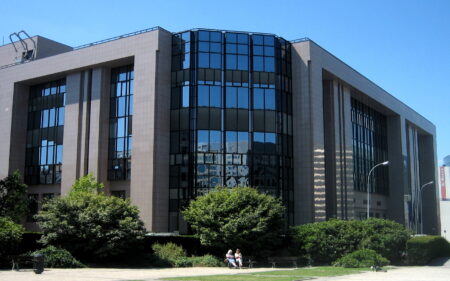
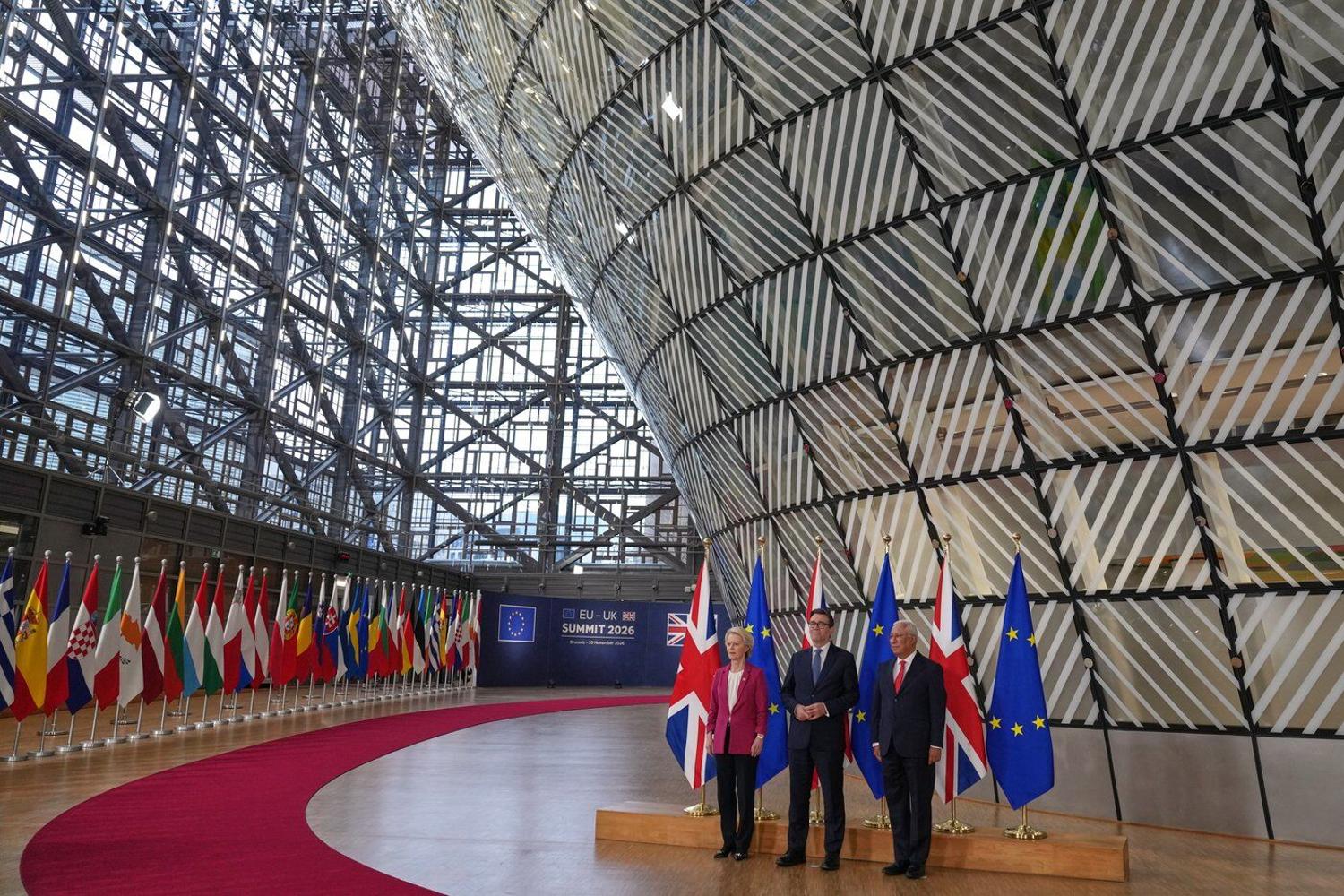
The agreements were confirmed in a joint statement after the EU-U.K. summit in Brussels on Nov. 20, 2026, according to The Associated Press. It was only the second summit between the two sides since Britain became the first country to leave the bloc. The two sides gave themselves six months to settle what university fees EU students will pay in the U.K., and what U.K. students will pay in the EU.
European Commission President Ursula von der Leyen called the deal “a turning point” in relations. U.K. Prime Minister Andy Burnham called it a “historic moment” and said, “This is a good day for Britain, and this is a good day for Europe.”
Burnham said the package could bring in 17 billion pounds (about US$22 billion) a year and add 0.5 per cent to Britain’s economic output. He pitched it as a way of “cutting costs, keeping prices down in the supermarkets and creating opportunities for young people.”
British retailers welcomed the end of checks on food and farm products. Alex Freudmann, managing director of food at Marks and Spencer, said getting a product from Lincolnshire to a shelf in Dublin currently takes “hundreds of extra miles, mountains of paperwork, a vet’s signature and even the Latin name of a cow.” He called the announcement “a major step forward.”
Critics said the package goes too far. To secure the deals, the U.K. must accept some EU rules and standards that it has no role in setting. Nigel Farage, leader of Reform UK, told reporters in Brussels that Burnham had taken “the first step, incrementally, to take us back into membership of the European Union.”
European Council President Antonio Costa said the EU remains “open to have the closest possible relationship,” but recalled that EU membership carries obligations, including the free movement of goods, services, people and capital. Von der Leyen said the EU is open to “brainstorming” about what ties could look like in future.
Burnham has said all options, including rejoining the 27-nation bloc, should be on the table, though he stresses that reversing Brexit is only one possible outcome and far from imminent. For now he remains bound by predecessor Keir Starmer’s pledge not to rejoin the customs union or single market, or to restore free movement. He said Friday’s agreements are “the limit of what we can achieve” before a national election.
Talks continue on Britain’s wish to be included in the EU’s “made in Europe” rules, which favour European manufacturers on public projects. The summit also produced pledges of closer security and defence co-operation and efforts to restrict irregular migration. The next summit is expected in about a year.
The deal follows the draft agreement to scrap post-Brexit food export checks that we reported on Nov. 3, and Burnham’s earlier openness to talks on EU free movement.
For Canada, the U.K. and the EU are both major trading partners under separate agreements. Prime Minister Mark Carney pressed EU leaders to ratify the Canada-EU trade agreement, known as CETA, at the Dublin summit on Nov. 12, as we reported. A closer U.K.-EU relationship changes the terms on which Canadian exporters compete for the same European markets.
Sources: The Associated Press, via The Canadian Press.
If you find reporting like this useful, consider supporting Canada News Media, an independently owned Canadian newsroom.
Follow Canada News Media
Get the day's top Canadian stories and our two daily 60-second news videos wherever you scroll.
X Threads Facebook Instagram LinkedIn TikTok YouTube Pinterest Reddit Substack Flipboard Newsletter RSS