


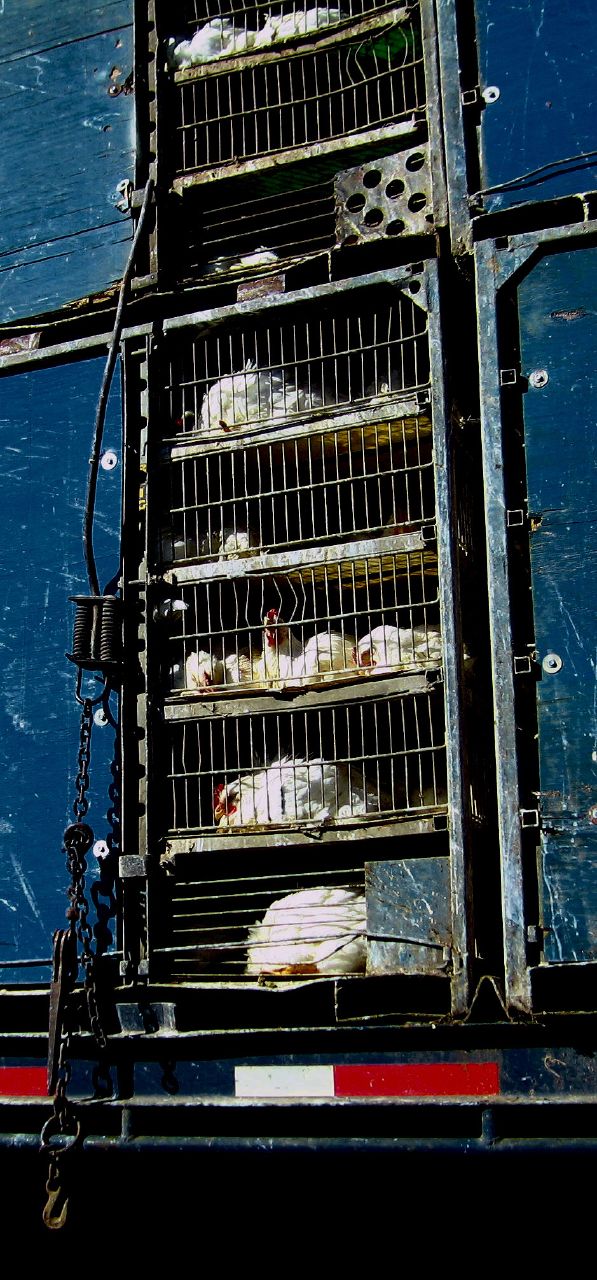
The Federal Court of Appeal has upheld a federal penalty against a trucking company after a significant number of chickens it was hauling died of hypothermia, ruling that a tribunal was entitled to find the birds had been loaded wet on a very cold day.
In B. Briggs Trucking Ltd. v. Canada (Attorney General), 2026 FCA 200, delivered from the bench in Calgary on Nov. 18, a three-judge panel dismissed the company’s application for judicial review with costs. The ruling leaves in place a decision of the Canada Agricultural Review Tribunal, 2025 CART 45, which confirmed a Canadian Food Inspection Agency notice of violation and, according to the tribunal’s published case summary, reassessed the penalty at $10,000.
The case arose from a load of chickens transported on Dec. 15 and 16, 2024. According to the appeal court, testing showed most of the deaths were caused by hypothermia. The tribunal concluded the cold alone was unlikely to have caused the deaths, and instead found it was loading wet chickens for transport on a very cold day that made it likely they would suffer.
The company was cited under section 146 of the Health of Animals Regulations, which bars anyone from loading, confining or transporting an animal if it is likely to suffer, be injured or die because of inadequate ventilation or exposure to weather or environmental conditions. The company acknowledged that the penalty regime is one of absolute liability, so due diligence or an honest belief in certain facts is not a defence, the court noted.
Before the appeal court, the company argued there was not enough evidence that the chickens were wet when they were loaded, and that the tribunal never explained how they got wet. Justice George Locke, writing for the panel, said there was conflicting evidence on the point, but the company had acknowledged before the tribunal that the birds were wet at loading. “Briggs is essentially asking this Court to intervene in the Tribunal’s weighing of the conflicting evidence that was before it,” he wrote, which is not proper on a reasonableness review. Because the wet-loading finding stood, the court said it did not need to address how the birds became wet.
The ruling is the latest in a run of cold-weather transport cases at the tribunal. A Canada News Media count of the tribunal’s decisions listed on CanLII found 10 rulings since January 2024 on notices issued under the same section 146. In six, the tribunal found the violation was made out, though it changed the penalty amount in five of them, lowering some and, in one case involving day-old chicks exposed to freezing temperatures during a flight delay, raising it. In the other four, the tribunal cancelled the notice, most often because it found the agency’s evidence fell short of proving the animals were likely to suffer from wet or cold conditions.
One company appears in three of those four cancellations. The tribunal cancelled notices against Moonfleet Poultry Inc. in 2025 CART 32, 2025 CART 34 and 2025 CART 42. In one, the tribunal’s summary notes that an inspector guessed moisture had dripped from the trailer, that condensation could have occurred, and that how the birds got wet remained an open question. The tribunal upheld section 146 violations against other haulers and farms in decisions including 2024 CART 5, which also reassessed a penalty at $10,000, and 2024 CART 39, in which a warning was confirmed for wet birds in cold weather.
The pattern shows the central question in these winter cases is often not the weather but the evidence: whether inspectors can show the animals were wet, crowded or exposed when they were loaded. The Briggs ruling confirms that once the tribunal accepts that evidence, the appeal court will not reweigh it.
The records have limits. The 10 tribunal decisions are only the cases that companies chose to contest; the CFIA issues many more notices of violation and penalties that are paid without a hearing, and those do not appear in this count. The decisions also do not say how many animals die in transport across Canada each year. The CFIA publishes a separate list of enforcement actions.
Canada News Media reported last week on the same tribunal’s caseload of border food fines, where travellers lost 78 of 79 appeals.
If you find reporting like this useful, consider supporting Canada News Media, an independently owned Canadian newsroom.
How we checked: We read the full Federal Court of Appeal reasons in 2026 FCA 200 on the court’s own decisions site. We then listed every Canada Agricultural Review Tribunal decision published on CanLII from January 2024 to Nov. 18, 2026 (128 decisions), using CanLII’s case metadata, and kept the 10 in which the CFIA notice concerned section 146 of the Health of Animals Regulations. We classified each outcome from the tribunal’s published case summary and checked the classification twice. We did not read every tribunal decision in full, and the count does not include notices that were never contested. This story reports the findings of the court and the tribunal and makes no other finding about any company.
Follow Canada News Media
Get the day's top Canadian stories and our two daily 60-second news videos wherever you scroll.
X Threads Facebook Instagram LinkedIn TikTok YouTube Pinterest Reddit Substack Flipboard Newsletter RSS