

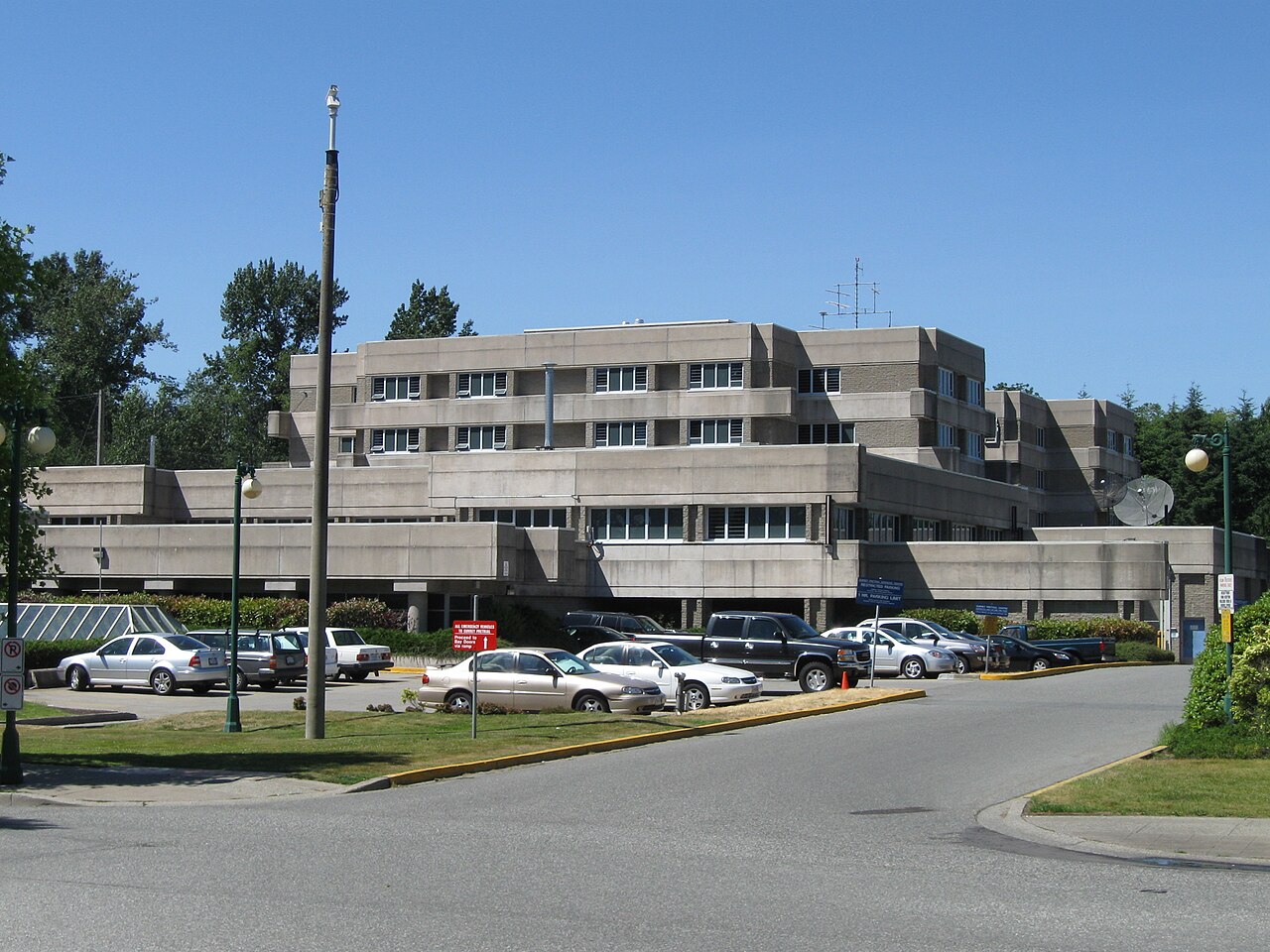
British Columbia’s coroners have held two inquests into deaths of people held in jails and prisons since the start of 2021, even as 119 incarcerated people died in the province’s correctional facilities from 2021 to 2025, according to a count of the BC Coroners Service’s public inquest list and its own custody-death figures.
The contrast with the five years before the pandemic is sharp. From 2015 to 2019, when 77 incarcerated people died in B.C. correctional facilities, the coroners service held nine inquests into deaths of people in federal or provincial custody. In 2021 to 2025, deaths rose by more than half, to 119, while the inquest list shows two such cases: one in August 2021 that the list labels “Corrections,” and one held from Sept. 28 to Oct. 6 this year, which the list labels “Public interest.” That second jury heard the case of a 31-year-old man who died of methadone toxicity in November 2021 at a federal institution address in Abbotsford, and it sent recommendations to Correctional Service Canada and the Fraser Health Authority, the verdict shows.
The law explains part of the pattern. Under section 18(2) of B.C.’s Coroners Act, the chief coroner must order an inquest when someone dies while detained by or in the custody of a peace officer, with narrow exceptions. The act’s definition of “peace officer” covers police and sheriffs but expressly excludes wardens and correctional officers. A death in a jail or penitentiary therefore goes to inquest only if the chief coroner decides the public has an interest in the circumstances, or that recommendations could prevent similar deaths. The coroners service’s own backgrounder on inquests, dated Dec. 9, 2025, lists deaths in provincial or federal correctional facilities first among the kinds of cases the chief coroner reviews for a possible inquest.
Mandatory police cases now fill most of the docket. Of the 53 inquests held or scheduled from January 2021 through the one set to open on Dec. 7, 2026, 41 are labelled police-involved on the coroners service’s inquest schedule and verdicts page. The overall number of inquests has also fallen. The list shows 75 inquests from 2008 to 2012, about 15 a year, compared with 43 from 2021 to 2025, fewer than nine a year. The backgrounder says the service investigates more than 5,000 deaths a year, sends less than one per cent to inquest, and averages “approximately eight to 14 inquests per year.”
Deaths in custody have climbed over the same period. The coroners service’s report on deaths of incarcerated people in correctional facilities, posted April 24, 2026, counts 18 deaths in 2015, 14 in 2016, 16 in 2017, 14 in 2018 and 15 in 2019, then 22 in 2021, 25 in each of 2022, 2023 and 2024, and 22 in 2025. The report covers federal and provincial facilities in B.C., including people taken to hospital from custody, but not police cells. In 2025, 11 deaths were in federal institutions and 11 in provincial centres. Among the 94 deaths from 2015 to 2024 whose investigations had concluded, 62 per cent were classified as natural, 22 per cent as accidental and 12 per cent as suicides.
Inquests are the public part of a coroner’s work. A jury of five to seven people hears sworn evidence and can make recommendations to prevent similar deaths, which the coroners service sends to the agencies named. When there is no inquest, the coroner’s findings appear in a written report instead. The coroners service says in its backgrounder that inquests are “not a routine occurrence” and that decisions to hold one are made “only after careful consideration of the circumstances of the death.”
What the records do not show is why the number of corrections inquests fell. Inquests often take place years after a death, as the Abbotsford case did, so some deaths from 2023 to 2025 may still go to inquest. The list does not show how many corrections deaths the chief coroner reviewed and decided not to send to inquest, and B.C. law requires the chief coroner to report and publish those decisions only for deaths in police custody. Coroners can also issue recommendations in written reports without an inquest. We found no record suggesting any rule was broken, and this count does not say that any particular death should have gone to inquest.
Our Nov. 21 analysis found that deaths in B.C. provincial jails doubled as fewer people were held. Under section 19 of the act, the B.C. public safety minister can also order an inquest if satisfied it is necessary or desirable in the public interest.
How we checked: We copied every row of the BC Coroners Service’s inquest schedule and verdicts page on Nov. 23, 2026, grouped the rows by year and counted them by the type of inquest the page lists, counting a 2025 inquest that was postponed and held in 2026 once. Because the type labels changed over the years, we read the verdicts for every inquest since 2021 labelled “Public interest” to check where each death happened; one, held in 2026, involved a death at a federal institution address, and we counted it as a corrections case. We took yearly death counts from the coroners service’s 2015-2025 custody-death report, and the rules on when inquests are required from the Coroners Act as published by the King’s Printer and the coroners service’s December 2025 backgrounder. Inquest counts are by inquest, not by death; a few inquests covered more than one death. 2020, when two inquests were held during the pandemic, is left out of the comparisons.
Follow Canada News Media
Get the day's top Canadian stories and our two daily 60-second news videos wherever you scroll.
X Threads Facebook Instagram LinkedIn TikTok YouTube Pinterest Reddit Substack Flipboard Newsletter RSS