

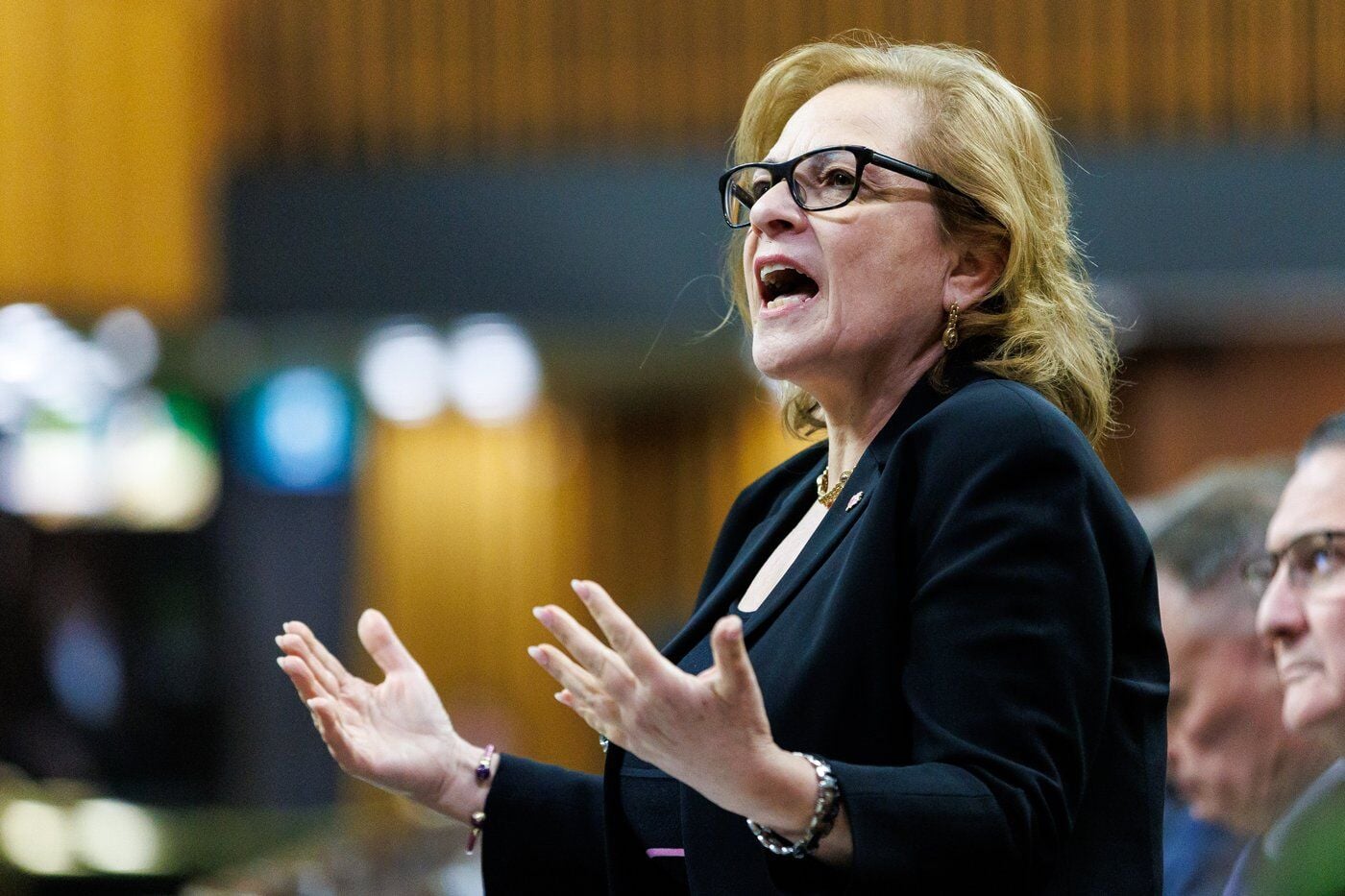
Permanent residency places in Ottawa’s one-time plan for up to 100,000 temporary workers will go unfilled if provinces and territories do not use them, Immigration Minister Lena Diab said Tuesday, Nov. 24, during a House of Commons debate on a Conservative motion to block the government’s plan, The Canadian Press reported.
The provinces and territories would nominate those workers. “These time-limited measure admissions are real and will be reported, but a one-time maximum is not a recurring annual target,” Diab said. “Half of these admissions will not happen unless provinces and territories agree that they want them.”
The headline target in the 2027 immigration levels plan is 380,000 permanent residents, a figure Ottawa is holding each year through 2029. Up to 282,000 more admissions are planned through one-time measures in 2027, for a possible total of 662,000, The Canadian Press reported. Diab’s office said the vast majority of the additional admissions involve people already in Canada.
Within the one-time measures is an addition of up to 200,000 people, split between 100,000 temporary workers and 100,000 humanitarian and compassionate cases who have already applied. The group includes about 50,000 people from Hong Kong and Ukraine who came under special programs. About 45,000 humanitarian places are for family members of permanent residents, and some of those people are expected to be new arrivals.
The mechanics for workers were set out earlier this month. Diab said Nov. 12 that provinces and territories would get optional extra nominee space. Immigration, Refugees and Citizenship Canada said each government decides how much of the extra Provincial Nominee Program allocation to use, and that the allocations are meant to be used by March 31, 2027, to support transitions to permanent residence in 2027. The department said applicants do not need to do anything or contact it, and the measure creates no new program.
For workers, that means the number who benefit in any province will depend on that government’s choices. People who think they may be affected can check their application status in their IRCC account and watch their province’s immigration website.
Conservative immigration critic Michelle Rempel Garner argued that Canada cannot absorb that many new permanent residents without adding strain to housing, jobs and social services. She said the former Hong Kong and Ukraine residents could have been given permanent status without the other increases.
Diab said many of those counted already live here. “When someone already is living in Canada, becomes a permanent resident, that counts as an admission. They are not a new person arriving in our country,” she said. She added that the plan was drafted with provincial input on labour needs and that an aging population makes immigration necessary to maintain the workforce.
The Bloc Québécois has said it will support the Conservative motion, which cannot pass without help from some members of the Liberal majority, The Canadian Press reported.
The Conservatives had earlier called for deeper cuts in the levels plan before it was released.
If you find reporting like this useful, consider supporting Canada News Media, an independently owned Canadian newsroom.
Sources: The Canadian Press; CBC News; earlier Canada News Media reporting on Immigration, Refugees and Citizenship Canada releases.
Follow Canada News Media
Get the day's top Canadian stories and our two daily 60-second news videos wherever you scroll.
X Threads Facebook Instagram LinkedIn TikTok YouTube Pinterest Reddit Substack Flipboard Newsletter RSS